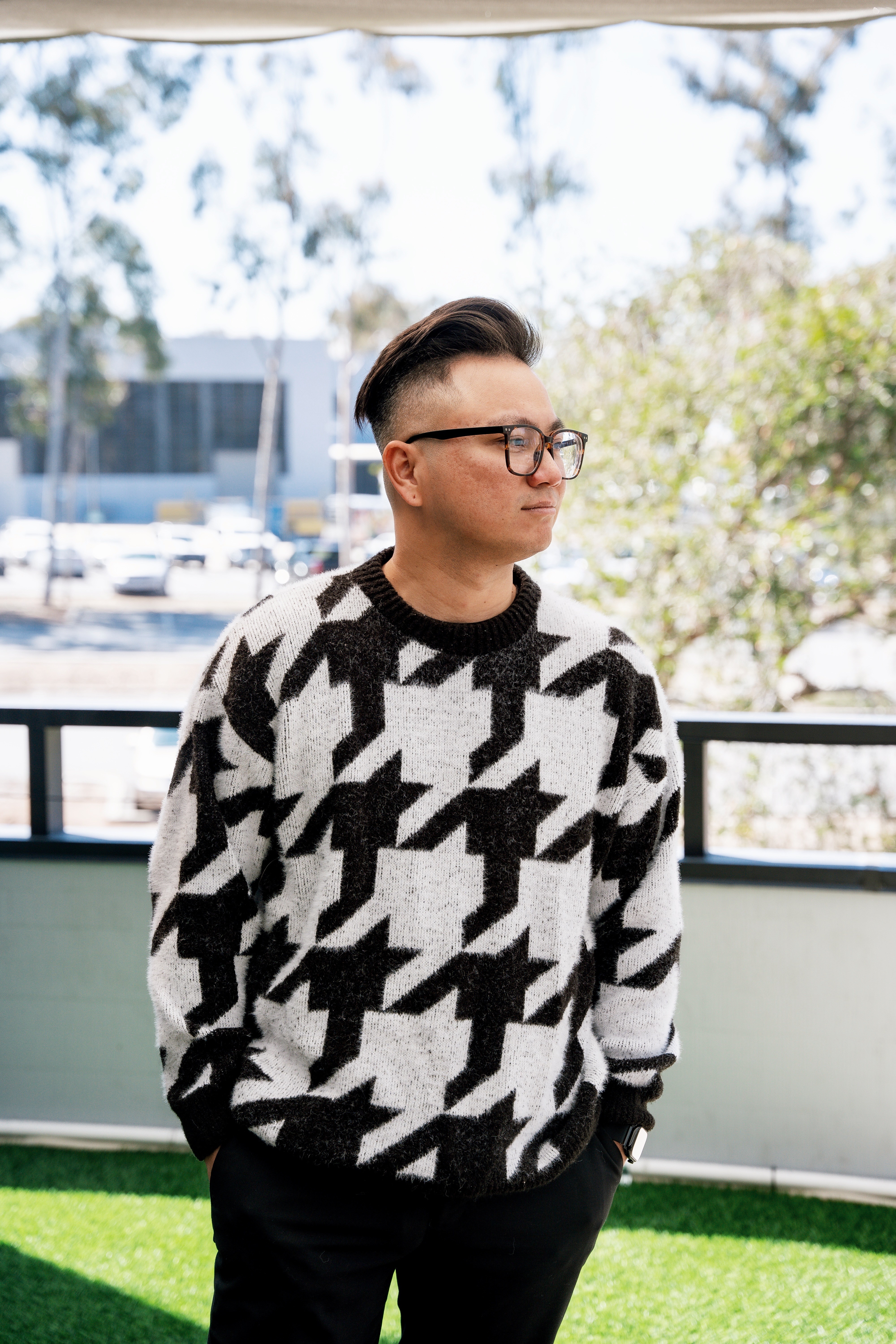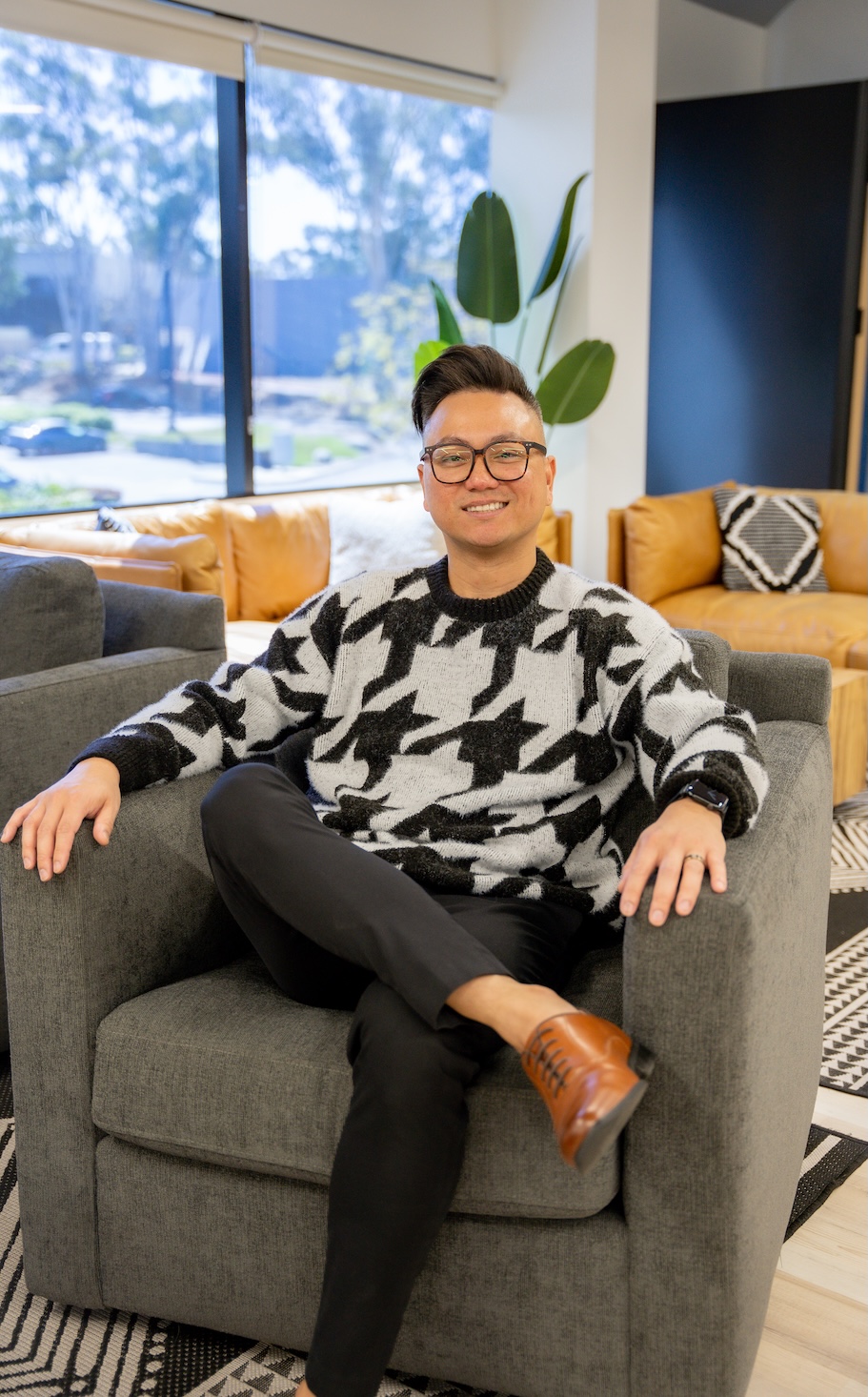
Today we’d like to introduce you to Clarence Bongalos.
Hi Clarence, we’re thrilled to have a chance to learn your story today. So, before we get into specifics, maybe you can briefly walk us through how you got to where you are today?
I’ve always gravitated toward leadership, but the roots of that go deeper than ambition.
I moved from the Philippines to the United States at 10 years old. That experience, crossing from a third-world country to a first-world one, gave me an early and visceral understanding of what transformation looks like. I watched how leadership translated across cultures, how it created opportunity, shaped communities, and changed the trajectory of people’s lives. That stayed with me. The belief that growth and transformation are possible, and that leadership is what makes them real, became embedded in how I operate.
That consistency showed up early. From being the line leader in kindergarten to student body president in high school, I consistently moved toward roles centered on serving and guiding others.
That instinct carried into my professional life. Over the last two decades, I’ve held roles across retail, music education, event planning, human resources, sales, marketing, operations, and strategy, spanning small and midsize organizations. In two separate instances, I worked my way up from the front desk to an executive role, reaching Director of Operations at 25 and Chief Marketing Officer at 36.
At 21, I got my first taste of entrepreneurship when my brother and I co-founded an entertainment production company, producing dance and music events across Southern California.
Because of its parallel nature to leadership and its ability to create scalable impact, I was drawn to marketing. At 35, I earned my marketing degree while simultaneously working as a marketing executive. A year after earning my degree, I became CMO and went on to earn a Professional Certified Marketer (PCM) designation from the American Marketing Association, a credential held by fewer than 1% of marketers. Over seven years, I helped nearly double revenue, expand to nine locations, and build a multi-brand ecosystem from the ground up.
Before the pandemic, I was certain of my next chapter. I wanted to launch a global marketing firm. Then the pandemic forced a reassessment, for me and for millions of others. As a marketer, I was already deep in research on consumer behavior and market trends. The more I understood the systemic forces driving The Great Resignation, the more I recognized a growing misalignment within myself. I had spent nearly two decades watching high-achievers work harder and harder inside systems that were never built around who they actually are or what they’re trying to build. I had hired, coached, mentored, and led people the way the system was designed. I started questioning whether those systems still worked.
In April 2025, I left my CMO role to launch my own coaching and consulting practice (The Maur Company). I spent the past year in deep research on misalignment and organizational behavior, developing frameworks that help people not just navigate change but catalyze it. That work became The Maur Method, a diagnostic framework built to identify exactly where misalignment exists and what to do about it. A framework designed to build purpose-driven, people-centric organizations and careers.
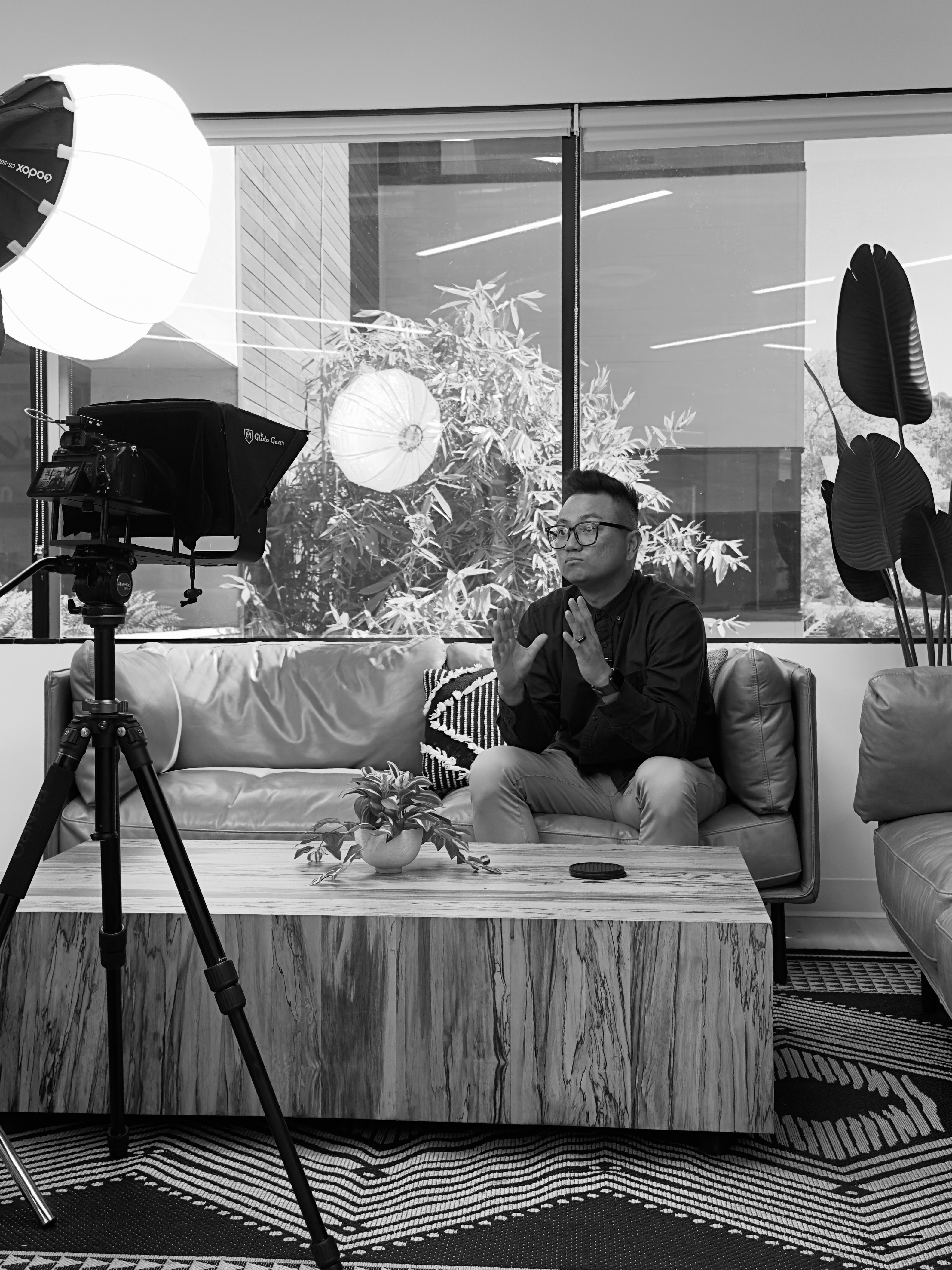
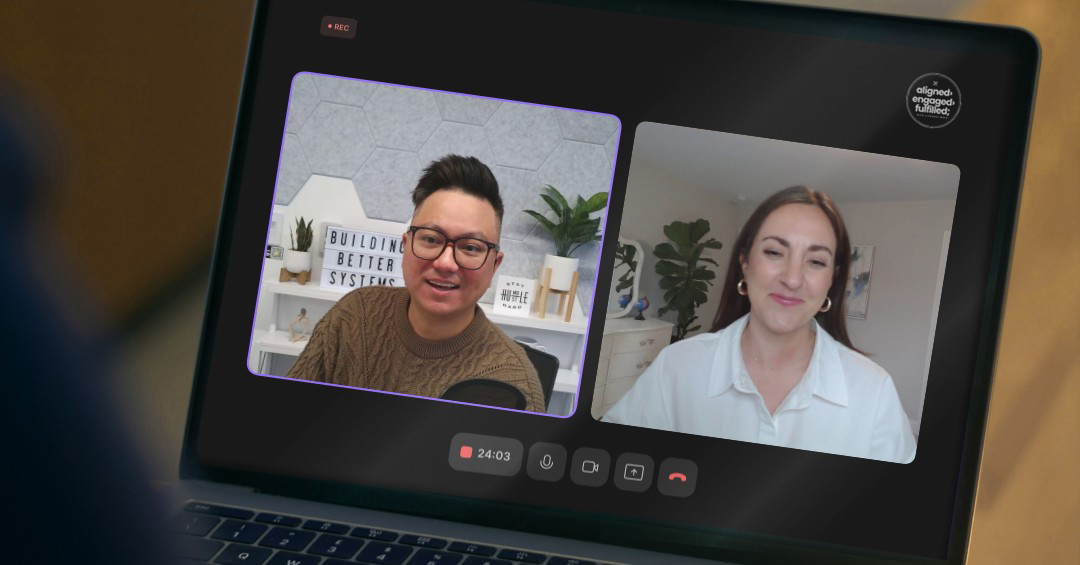
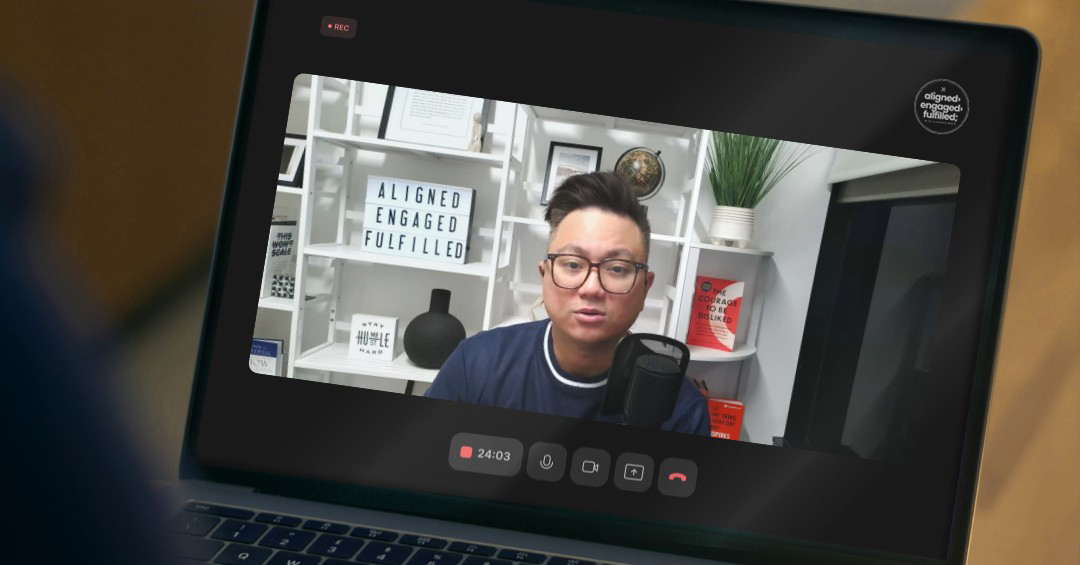
Today, I work as an Alignment Coach and Consultant, helping high-achievers and the organizations they lead stop paying the price of misalignment. I also host the Aligned, Engaged, Fulfilled podcast, where I talk with people about what it actually takes to do work that’s meaningful.
I’m sure it wasn’t obstacle-free, but would you say the journey has been fairly smooth so far?
Not even close.
The last 20 years have been full of mistakes, challenges, and obstacles. I believe I’m an effective leader, but I’m not without flaws, and I’ve made bad choices along the way. What I’ve learned is that those bad decisions almost always improved my trajectory. They led me to some of my greatest growth.
Climbing the corporate ladder was filled with stress, sacrifice, and more than a few write-ups from superiors. I’ve always been outspoken and naturally challenged the status quo when I believed something could be better. That wasn’t always received well. I can’t tell you how many times I was told to “stay in my lane,” “slow my roll,” or “know my place.” But leadership requires doing things that are uncomfortable. Staying in your lane and maintaining the status quo are the opposite of leading.
The most defining challenge came at the end of my corporate career. I spent 10 years at one organization, invested deeply in its growth, and ultimately left because of a misalignment with leadership that I could no longer work around. What made it harder was that leaving wasn’t just a career decision. It was an identity shift. When you’ve given a decade of yourself to building something, walking away forces you to ask questions about who you are outside of the role you’ve been playing. That experience didn’t just inform my work as an Alignment Coach. In many ways, it became the proof of concept for it.
Some of the biggest challenges came in the year that followed, in the pivot from a 9-to-5 to full-time entrepreneurship. That transition forced me to confront how much I had molded myself to fit a role. I’ve had to unlearn habits and mindsets I thought had made me better but had actually made me complacent and limited my own growth.
Doing that while building a business in one of the most complex and competitive markets in recent memory has been an uphill climb at every stage. I’m operating in a landscape where AI is disrupting the consulting industry, where the volume of noise makes it harder than ever to cut through, and where the complexity of the problems people are facing has outpaced the simplicity of most solutions being offered. The road has required a level of patience and precision I didn’t anticipate.
So no, it has not been a smooth road. It’s been like riding a bicycle up Cowles Mountain.
But it has also been the most energizing experience of my career, and I don’t regret any part of it.
Alright, so let’s switch gears a bit and talk business. What should we know?
The Maur Company is a coaching and consulting firm for high-achievers and business leaders navigating transitional growth phases, where misalignment is most costly and most common.
I specialize in alignment, specifically in diagnosing where misalignment is limiting growth, performance, and fulfillment, and building a clear path forward. The foundation of that work is The Maur Method, a diagnostic framework I developed from 20 years of cross-functional experience. It’s built around three core foundations (Leadership, Marketing, and Strategy), three zones of misalignment (Identity, Behavior, and Communication), and two anchors: People and Purpose.
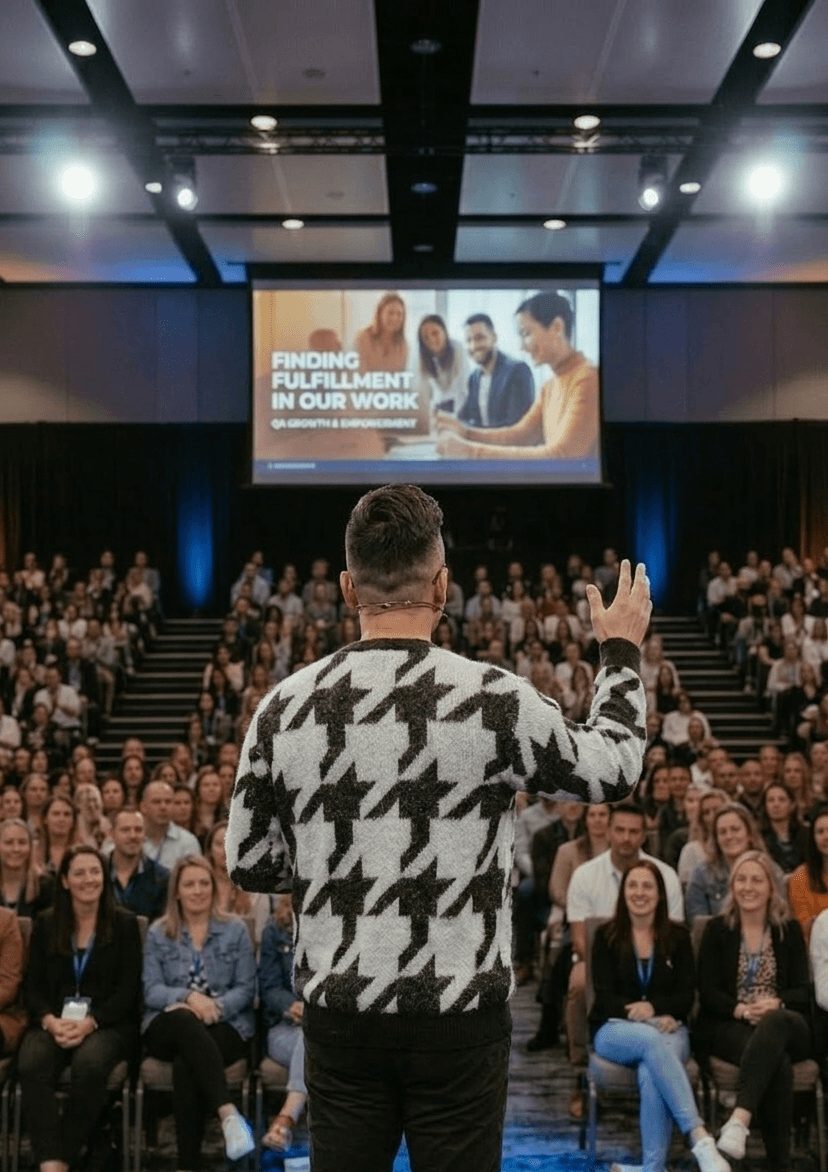
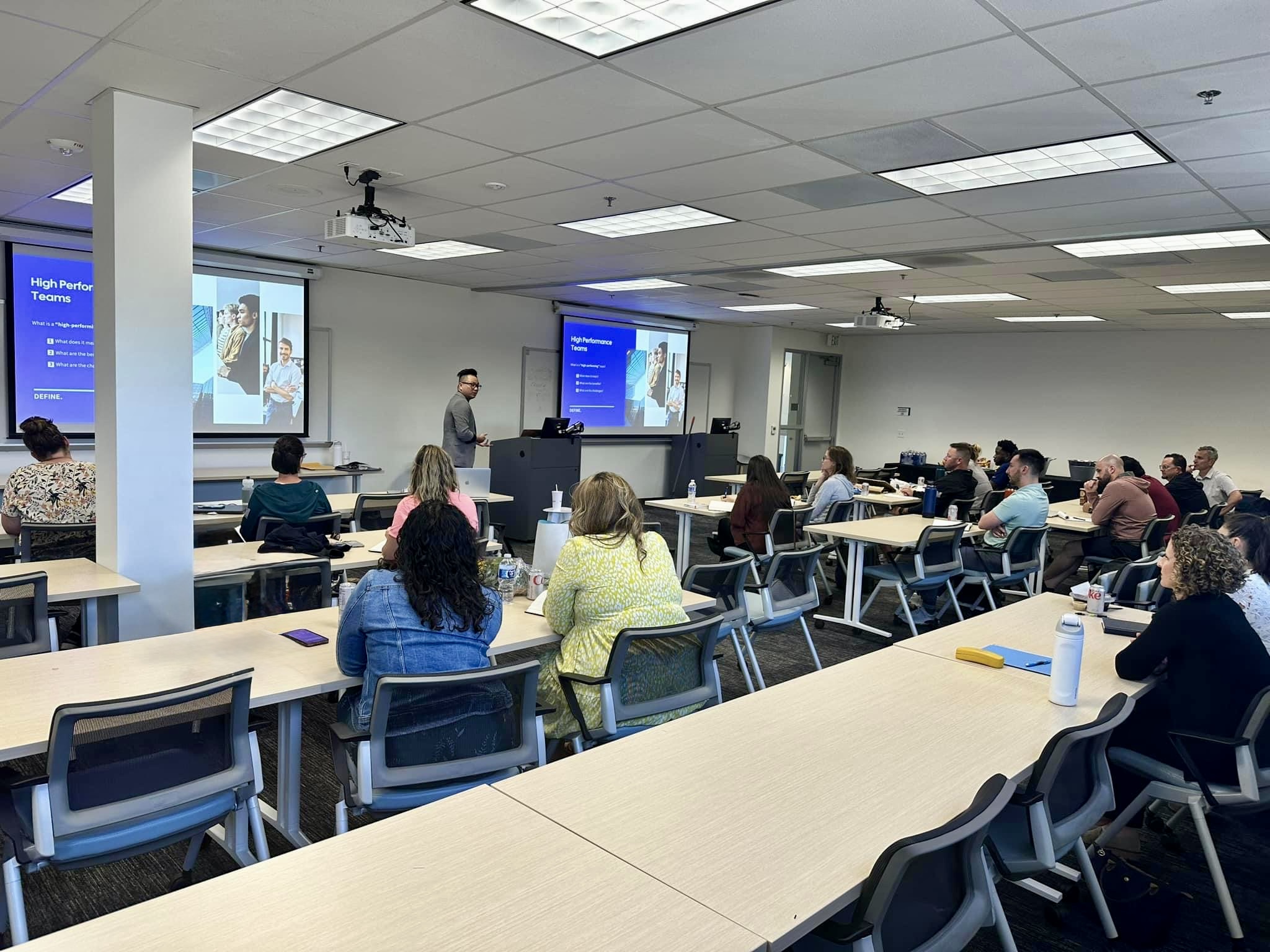
I work on both sides of the table. For individuals, I help high-achievers make sure their careers are aligned with who they are, their values, and their purpose, so that the next move isn’t just a move, it’s the right move. For organizations, I help leaders identify the hidden misalignment driving long-term costs, limiting growth, and eroding culture before those problems become impossible to ignore.
People come to this work from different entry points. Some arrive already sensing misalignment but unable to name where it’s coming from or why. Some business leaders come specifically for marketing consulting, knowing my background, and what starts as a marketing engagement quickly reveals something broader: a disconnect between their marketing and the rest of the organization. Others come for leadership development. The entry point varies, but the approach doesn’t. Every engagement starts with The Maur Method and works through an alignment lens, because in my experience, the presenting problem is rarely the whole problem.
What sets this work apart is the intersection. Most coaches work with individuals. Most consultants work with organizations. Most advisory services address leadership, marketing, or strategy in isolation. I work at the convergence of all three, because that’s where the real breaks are. And where most approaches to alignment stay at the surface, naming symptoms, The Maur Method is diagnostic. It doesn’t just tell you that something is off. It tells you where the misalignment is happening, what’s causing it, and what to do about it.
Most people can sense misalignment. Some can name it. Few know where it’s coming from or how to fix it. That’s the gap this work is designed to close.
To make it accessible, I offer a free digital alignment assessment as a starting point, available for both individuals and organizations, so people can see exactly where they stand before committing to anything. The assessment is available here: https://alignmentassessment.netlify.app
Beyond coaching and consulting, I co-founded Emppowered under The Maur Company umbrella. It’s a hiring and career platform that applies alignment intelligence to how people and organizations find each other, balancing AI with human judgment. It’s an extension of the same core belief: that alignment between people and the work they do isn’t a nice-to-have. It’s the foundation everything else is built on.
What I’m most proud of is the moment someone finally has language for what they’ve been sensing for years. When a high-achiever sits across from me and says “that’s exactly it, I just didn’t know how to say it” — that’s what this work is for. Clarity is the first step toward everything else, and being the person who provides it is a privilege I don’t take lightly.
Is there a quality that you most attribute to your success?
If I had to name one, it’s contrarian thinking.
Not contrarianism for its own sake, but the deliberate practice of questioning what’s been accepted as true, even when it feels settled, even when you agree with it. Contrarian thinking forces differentiated thinking. It’s what keeps you from confusing familiarity with alignment.
That quality is central to how I lead and how I coach. Most people stay stuck not because they lack motivation or talent, but because they’re either unwilling to ask the hard questions or they don’t know which questions to ask. My role is to ask the ones they’ve been avoiding. That’s not always comfortable, but comfort and growth rarely occupy the same space.
Contrarian thinking is also what connects to every other quality this work demands. Self-awareness requires the willingness to question your own narrative. Empathy requires questioning your assumptions about someone else’s experience. Accountability requires questioning whether your actions are actually aligned with your values. Leadership, at its core, is the practice of asking better questions and being willing to act on the answers, even when the answers are inconvenient.
The other quality I’d add is the willingness to turn the diagnostic lens on myself. I can’t ask clients to examine their misalignment honestly if I’m not doing the same. Some of my most important breakthroughs as a coach have come from applying The Maur Method to my own career, my own blind spots, my own potential for misalignment. It’s about practicing what I preach.
Pricing:
- Free Alignment Assessment
Contact Info:
- Instagram: https://instagram.com/clarencemaur
- LinkedIn: https://www.linkedin.com/in/clarencebongalos
- Youtube: https://www.youtube.com/@alignedengagedfulfilled
- Other: https://alignmentassessment.netlify.app