
Today we’d like to introduce you to Claudia Espinoza.
Claudia, we appreciate you taking the time to share your story with us today. Where does your story begin?
When I was 9 years old, I traveled to the Amazon rainforest with my mother, an MD, and was very lucky to see her treat patients there. That experience sparked in me a deep curiosity for biological processes and how life works at its most fundamental level.
In college at the University of New Mexico, I was fortunate to meet mentors who cared deeply about student development, not only at the academic level but also at a human level. One of those mentors, Professor Maggie Werner-Washburne, ran a STEM program that supported minority students as we worked through our science degrees. The program placed us in laboratories where we were responsible for real projects and gave presentations at scientific conferences. Through the program, as an undergraduate student, I was studying the molecular underpinnings of the disease Multiple Sclerosis, and was already using very sophisticated techniques. I measured molecules linked to Multiple Sclerosis in various types of cerebellar cells by “painting” these molecules in a specific color, painting the cells in other colors, and then using microscopy and software tools to analyze the images.
One summer, I was invited to do research in the Genome Sciences Department at the University of Washington (UW). I worked in Professor Evan Eichler’s lab, studying the evolution of DNA structure. DNA has sections that are repeated or are copies of each other. I was studying how the number of copies of one region of DNA had evolved in ways that predisposed humans to Autism or Schizophrenia. I became a contributing author on an article that, to this day, continues to serve as a foundation for further research in the field. That single summer-program experience had a strong long-term positive impact on my career.
When choosing a graduate school to attend, I found myself at a crossroads. I was choosing among two Neurosciences programs in Denver and Michigan, and the Genome Sciences program at the University of Washington, where I had done the summer program. It was not an easy decision to make, and I am sure those paths would have opened different opportunities for me. I decided to pursue a PhD in the Genome Sciences program at UW. Seattle became my new home for the next six years of my life.
That stretch of life was filled with lessons, not only in terms of science but also in terms of life. I learned how to work with various types of DNA molecules, analyzing data from human DNA regions, engineering methods to capture a rare molecular event in yeast DNA, and studying a genetic pathway crucial for development in the fruit fly. In parallel, at a more personal level, I was learning to navigate the academic system, experiencing a harsh breakup, and building connections with colleagues while facing and fighting strong stereotypes against minorities. I also encountered people in positions of power whose limited experiences outside academia shaped narrow perspectives of minorities. Nevertheless, I will always be deeply grateful for my thesis and academic mentors, Professor Celeste Berg, Professor Bonny Brewer, and Professor M. K. Raghu, who helped light parts of the road for me.
After graduate school, I had a transition period where I moved to Canada to work in the new field of laboratory-grown meat. I was the Senior Scientist, Geneticist at a company working to grow transgenic growth factors for this field, all in fruit flies. We did many experiments with diet, and I began to see a relationship between diet and gene expression. I was so deeply curious about it that I decided to return to academia as a postdoctoral fellow in the Biochemistry Department at the University of California, San Diego to study the connection between diet and evolution at the molecular level. There, I found a connection between a specific type of fat called plasmalogen and the adaptation of fruit flies to cold temperatures. It was an amazing finding. I had the opportunity to continue researching links between plasmalogens and Alzheimer’s, but the difficulties within academic systems became very clear to me. I realized I was ready to lead in a way that needed more attention, intention, and ownership. This was one of those parts of the road where I had to become my own light, opening spaces and walking paths nobody had walked before.
And so, one of the biggest turning points in my journey came when I traveled to the Galápagos Islands after my postdoctoral work to work on a research project studying how diet affects fly behavior and mating in a parasitic fly that is killing native birds in the islands. Scientifically, I was driven by a deep curiosity about how diet influences adaptation and evolution. More personally, being there, surrounded by questions of evolution, adaptation, and natural systems, gave me space to reflect deeply on the kind of scientist, educator, and person I wanted to become.
In the Galápagos, I also realized that many of the most meaningful scientific questions come from observation, curiosity, and the freedom to explore unexpected directions. However, within academia, I often felt limited by systems built around unfair competitive grounds, stereotypes, and narrow expectations of what research should look like. Too often, students and researchers are unable to pursue the questions they are genuinely passionate about because this type of structure does not allow space for it.
After my research experience in the Galápagos Islands, I had accumulated a myriad of lived experiences. Some of those experiences were so rare they partially caused me to feel isolated because they decreased my resonance with others. However, I understood it was in this separation where I could start filling in the gaps, becoming a supportive role to other scientists, offering a broader and more diverse perspective to more specialized minds in the field. And so, I decided to launch a business, WiseGenes, to provide support for STEM education and scientific discovery based on my expertise and experiences.
We all face challenges, but looking back would you describe it as a relatively smooth road?
Large, meaningful projects are never a linear process. Learning to be flexible and open to mistakes has actually been one of the most important parts of getting this project off the ground and moving toward completion. Being able to critically evaluate each step along the way, while staying clear-minded and focused, allowed me to step back, move around obstacles, understand problems, identify solutions, and choose the best direction forward.
One of the biggest struggles for me was finding the courage to begin. The idea had been with me since graduate school, when as a first-year PhD student I received the National Science Foundation Graduate Research Fellowship after proposing the idea of building a supportive venture that could exist between academia, biotech, and individuals. I recognized early on how important spaces like this could be for minorities in science, especially because support systems outside of universities are so limited, and universities themselves are often not isolated from the same systemic problems that hold many students back.
Ten years later, finding the courage to move forward also meant closing other doors. It meant saying no to career paths that I knew were no longer aligned with my passions. As a postdoctoral fellow, I could have continued researching the relationship between Alzheimer’s disease and diet, but ultimately I realized my heart was pulling me in a different direction. Choosing this path came with uncertainty, financial risk, and the challenge of building something without a clear roadmap, but it also came with a sense of purpose that I could not ignore.
During my years mentoring students as a doctoral and postdoctoral fellow, I became increasingly aware of the struggles many students face in STEM. The students who advance most easily are often those whose educational backgrounds were already aligned with the expectations and hidden rules of academia. At the same time, there are incredibly talented students who are fully capable of succeeding in STEM, but whose backgrounds did not prepare them to navigate the hidden curriculum of academic spaces. Many of these students work tirelessly without understanding how to advocate for themselves, receive recognition for their contributions, or move strategically through the system. Too often, they become overlooked, undervalued, and vulnerable to being taken advantage of. Witnessing those experiences strengthened my commitment to creating educational spaces that are more supportive, creative, personal and accessible.
Another deeply personal struggle was losing my spiritual mother at the beginning of this venture journey. For 17 years, she was one of the people who believed in my dreams and encouraged me to trust myself. She constantly reminded me to follow what genuinely made me happy, and one question she used to ask me was: “Are you playing enough?” At the time, I did not fully understand how important that question would become. As I started building this project, I realized that play, curiosity, imagination, and joy are not distractions from learning and science, but essential parts of it.
That realization has become a foundation of the work I do today. I recently launched summer programs where students learn the foundations of genetics and biochemistry through games, creativity, and hands-on exploration beginning as early as middle school. In many ways, this project grew out of every struggle along the way: learning to trust myself, walking away from paths that no longer fit, navigating loss, and recognizing the gaps that leave so many talented students behind. Those experiences shaped not only the mission of my work, but also the kind of learning environment I want to create for others.
Can you tell our readers more about what you do and what you think sets you apart from others?
As an Independent Scientist Contractor, I have been contributing to high school STEM curriculum development in collaboration with the University of California, San Diego. I help design educational experiences that make science more engaging, accessible, and meaningful while integrating engineering practices to teach problem-solving skills.
I have also completed projects assisting laboratories at a research station and a flower farm in Ecuador. I hope to connect with new clients and continue providing services as an independent scientist contractor, assisting laboratories that need short-term support or last-minute emergency help with data analysis, project management, or hands-on laboratory bench work within my field of expertise. These services aim to reduce the workload of scientists who are overworked and may benefit from support to keep their projects moving forward efficiently.
For K–12 education, I have helped teachers create and deliver lessons in classrooms. I consider this work to be very special. Teachers fuel students not only with knowledge, but also with their passion for learning. However, they are often limited by the amount of time and energy they have. I provide personalized support, especially for STEM curriculum development, by working one-on-one to create materials and lessons that reflect their teaching style and classroom goals. My experience creating lessons and aligning them with NGSS and CAST has allowed me to act as an extra pair of hands, helping take weight off their shoulders instead of adding to their already full schedules. I have genuinely had a lot of fun doing this. Connecting with teachers has been one of the most inspiring experiences I have had in this venture. It has helped me realize that teachers play a crucial role in holding our society together.
My area of expertise is genetics and biochemistry. I hold a PhD in Genome Sciences and have postdoctoral training in biochemistry. These advanced training credentials and experiences form the foundation of my services, allowing me to provide specialized STEM support, especially for K–12 education.
One thing I am proud of is being able to get to where I am, considering the demographics I represent in our society. I am a person who physically expresses traits of my Indigenous ancestry, something that has shaped many of both the positive and difficult experiences in my career and life. I am also a woman in science, and historically, women have often been overlooked in the field. Being able to complete my bachelor’s and doctorate degrees in science, considering the demographics I represent, was already a major accomplishment from this perspective. When I walk into rooms, people are often surprised when they learn about my story, my credentials, and my experiences. I break many stereotypes in our society.
What sets me apart from my competition is the perspective I bring into the market. I live at the intersection of fields. Scientifically, I work at the intersection of two important disciplines: genetics and biochemistry, with additional exposure to metabolism and evolution. I also work at the intersection of cultures, having worked in multicultural environments across different countries. I have worked in laboratories in two very different countries besides the US: Ecuador and Canada. These experiences taught me how to integrate the perspectives of scientists who come from different walks of life, speak different languages, and have different ideas about how scientific work should be done. For example, I was part of a group working with Indigenous communities in the rainforest in 2023, where I saw how emerging DNA technologies are reaching remote areas of the Amazon rainforest to help study still-undiscovered fauna and flora. I also took part in assisting a research study in the Galápagos Islands, observing evolving systems happening in real time. In both places, scientific questions were approached differently than in a traditional academic laboratory environment. The work was less invasive, and studies had to consider much larger interconnected ecosystems, many of which were not yet fully understood.
Another experience that makes my work unique is my experience working directly with students from TK through high school as a substitute educator. I have firsthand insight into what it feels like to stand in front of a classroom with the goal of passing knowledge on to young minds. I have also created summer programs to bring engaging science experiences to middle school students. All of these experiences are part of a rich toolbox that gives me unique skills to assist scientists, teachers, and students with perspectives they may not have considered yet. They allow me to act as extra eyes and extra hands, helping bring their complex and unique ideas into the world.
What makes you happy?
What makes me happy in life is community, being part of one and contributing to it in a positive way. For example, when I moved to San Diego four years ago, I joined Capoeira Luanda San Diego, where I have been training Capoeira ever since. Capoeira is a martial art that combines movement, music, history, dance, and philosophy. Through it, I found not only physical discipline but also a strong sense of belonging and connection.
For over a year, I have been volunteering with the group, helping with the Tiny Tots class (ages 3 to 5) and the Big Kids class (ages 6 to 10). Through this experience, I have learned about leadership while also seeing how Capoeira philosophy helps children develop confidence, discipline, respect, and community. My goal has been to integrate some of these values and teaching approaches into my own work in education.
Another source of happiness in my life is the support of the people closest to me: my friends and especially my loving parents, sisters, and my baby niece. I feel incredibly fortunate to have a family that supports me and my dreams unconditionally. Their love and encouragement give me strength, grounding, and joy.
Finally, I am very happy to be able to do science everywhere. The scientific method has become my way of thinking, allowing me to understand life processes from a curious and structured mind.
Contact Info:
- Website: https://www.wisegenes.com
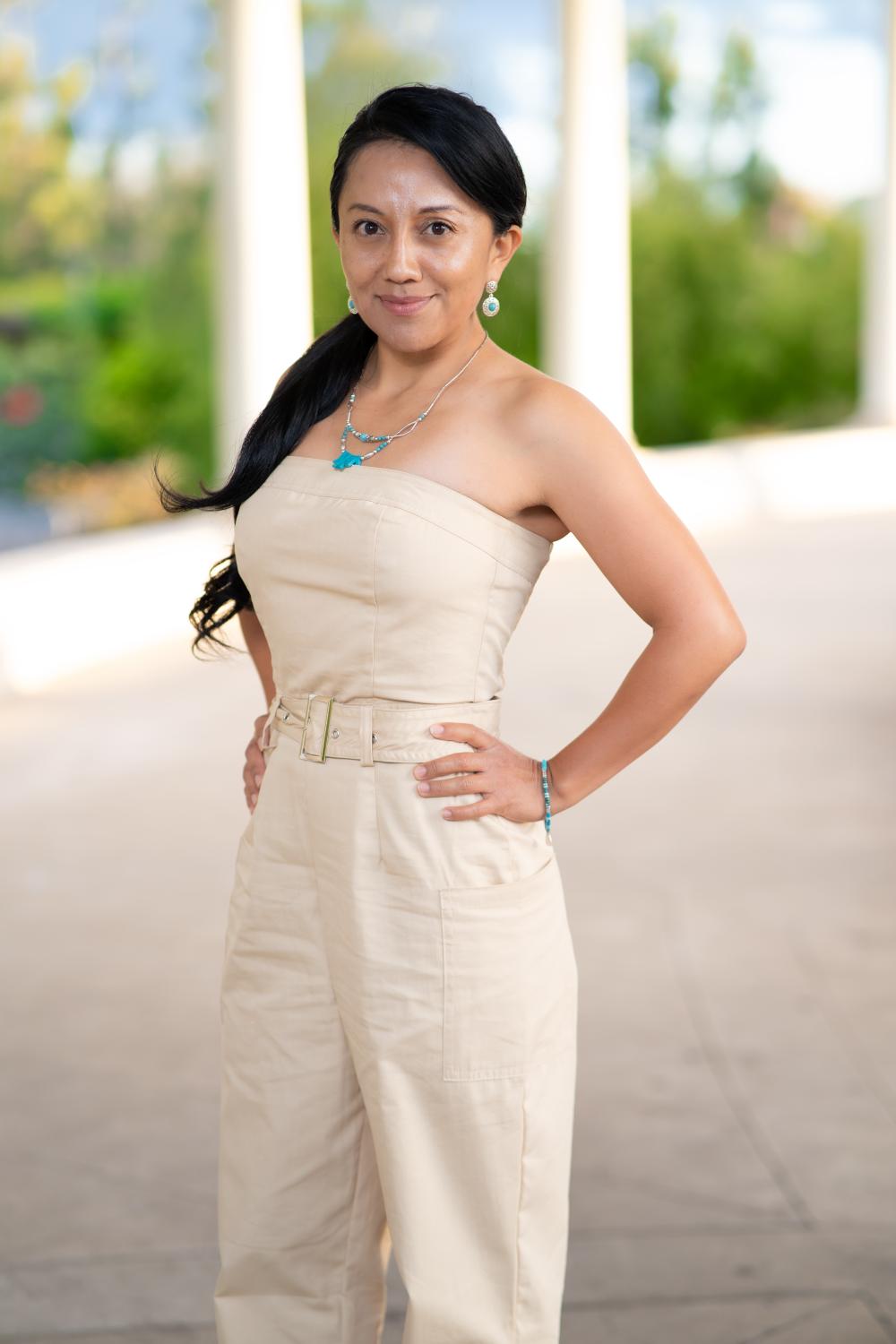
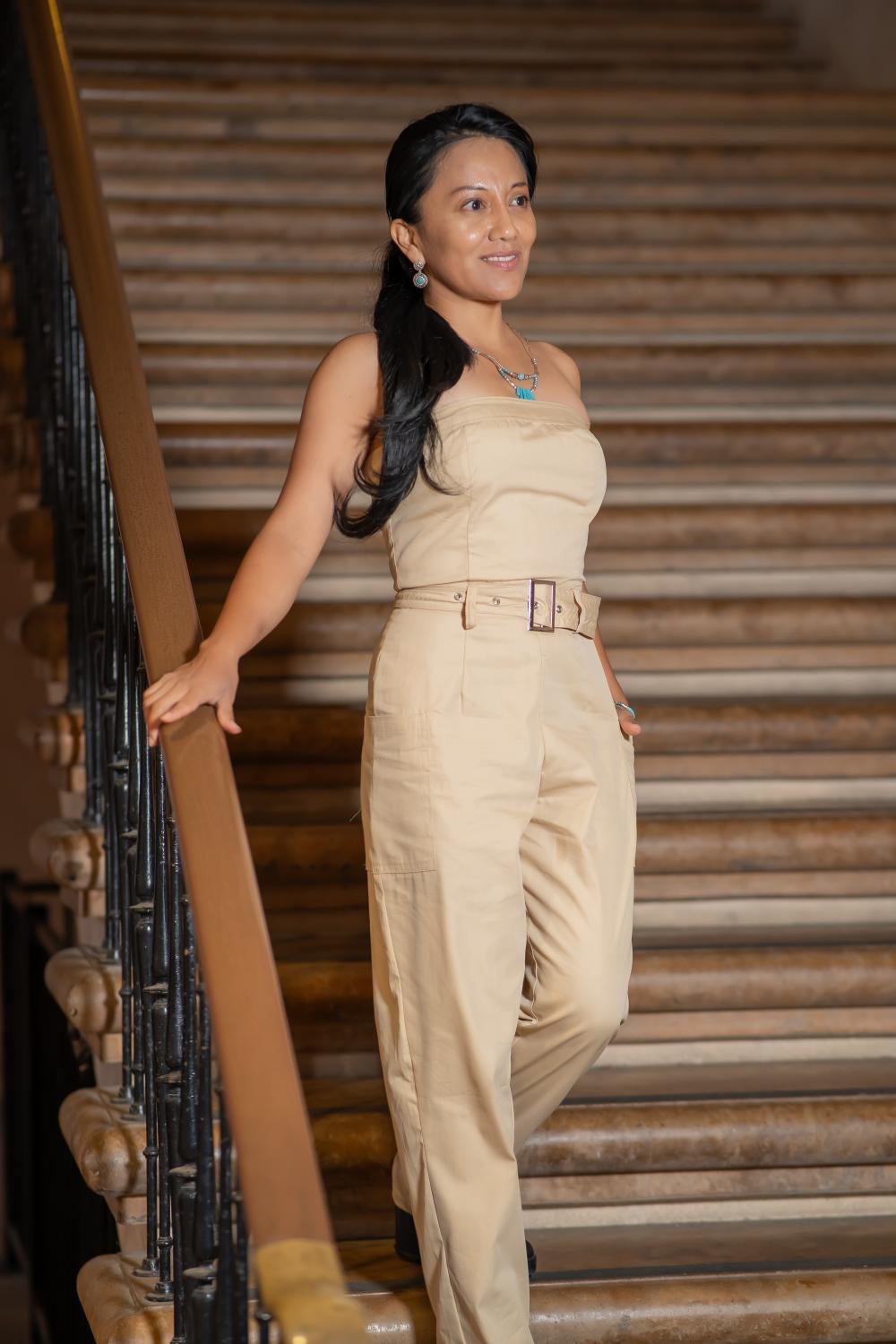
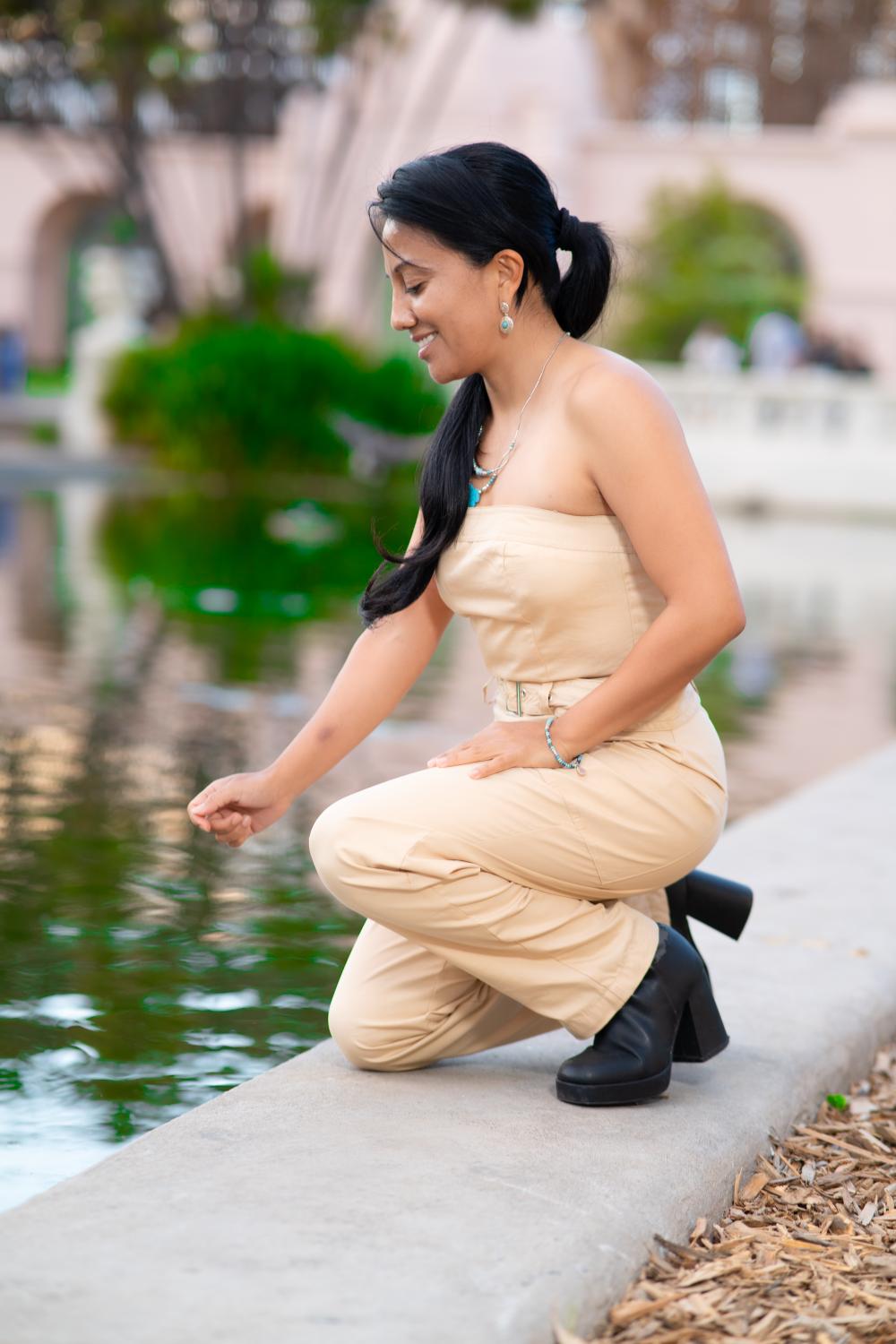
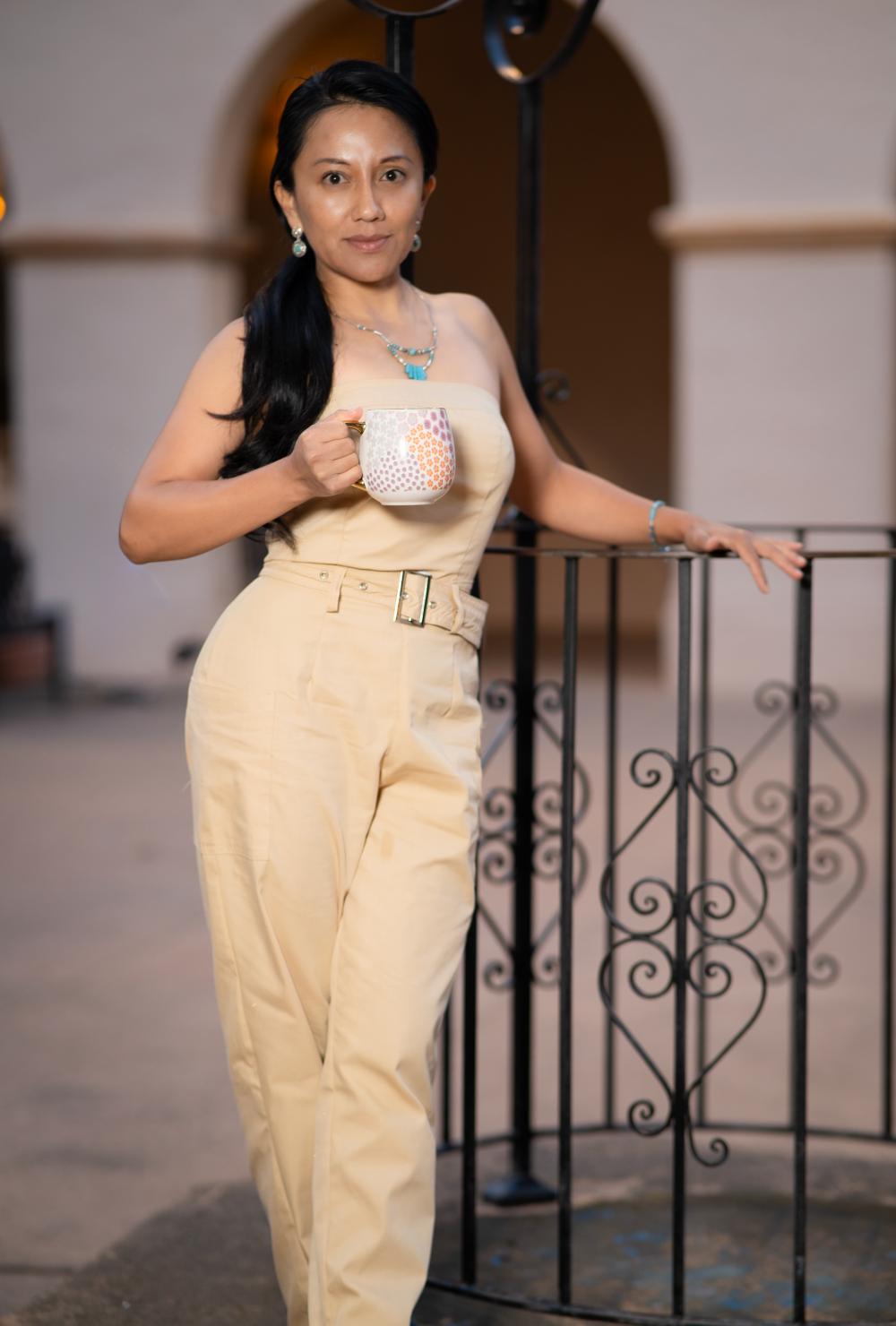
Image Credits
Daniel Martinez photography, San Diego
IG: @daniel.martinez77