


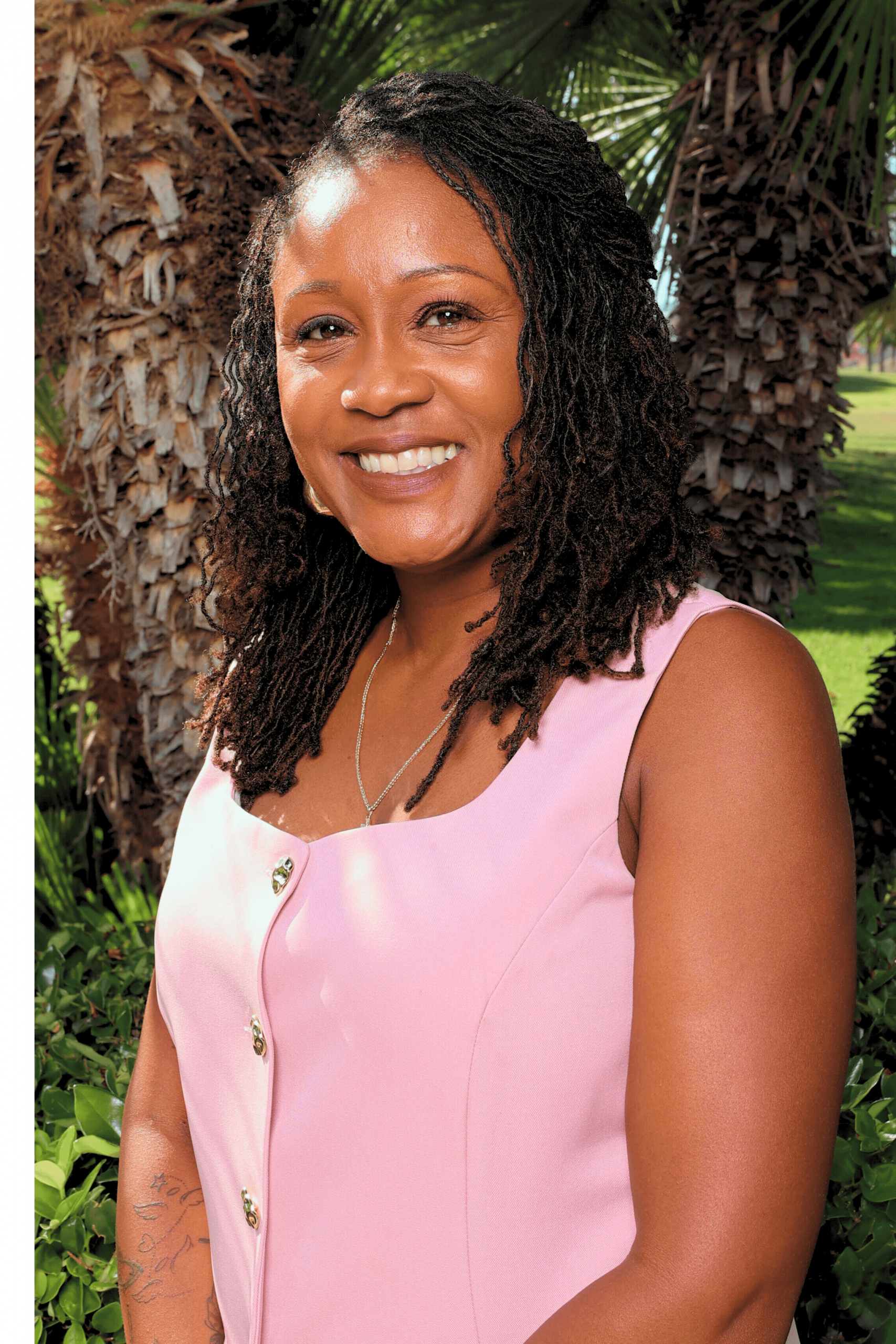
Today we’d like to introduce you to NaTasha Bailey.
Hi NaTasha, it’s an honor to have you on the platform. Thanks for taking the time to share your story with us – to start maybe you can share some of your backstory with our readers?
My journey to becoming a licensed therapist did not start off in a traditional college setting. Throughout my professional career the occupations I held were, Certified Nurse Assistant, US Postal Services Worker, Social Services Director and Residential Care administrator for the elderly, Protective Services Worker with Child Welfare Services, Long-term Care Ombudsman. Yes, I have held many jobs prior to becoming a therapist.
I had more than 10 years of professional experience in the helping profession, when I realized I wanted to become a therapist in 2009. At this time I was a young married mother of three girls ages 3, 6 and 9 years old and I was working full time for Child Protective Services.
I will never forget the day I walked out of court after recommending that a single black mother child reunified with her children. This mother followed her reunification case plan and attended therapy for over a year, due to her own trauma and mental illness she had many challenges reunifying with her children. I consulted with her therapist several times and read countless treatment plans on her progress.
I felt proud to be apart of helping put a family back together and realized instead of being the social worker who remove children and write court reports, I wanted to be on the other side of helping families, heal from past traumas and abuse. This case made me believe that psychotherapy was beneficial and powerful.
Growing up in a disfranchised urban neighborhood in Southeast San Diego, I have witnessed firsthand how the lack of cultural diverse needs in public mental health care has hindered my community. I myself did not believe in therapy and bought into the stigma of “Black people don’t go to therapy” until I witness several people healing and starting a path to new lives with the help of psychotherapy. This was a motivating factor to be a change agent for my community. As a former Protective Services Worker with the County of San Diego it was often a challenge to refer families on my caseload to therapists within the community that were minorities.
As an African-American woman I represent a voice for a large community of under served minorities. This gave me the motivation to attend graduate school to become a Marriage and Family Therapist (MFT). As an MFT, my vision is to outreach to African Americans and other minorities about the importance of mental health treatment and clinical trials while educating and supporting disfranchised communities on mental health services. I understand the dynamics of negative reactions from some African Americans about seeking counseling for any reason. I believe my exposure in the community as a mental health professional has been a valuable contribution due to the lack of minority MFT’s.
My community faces severe economic, cultural, linguistic and physical barriers for treatment of mental illness, difficulties which prevent individuals from being properly treated. As a family member to someone who suffers from mental illness it was difficult to find resources to help my own family who suffers from depression. The biggest factor was my family’s misconception about services for mental illness. I also experienced these same thoughts prior to my exposure and education about mental health services. I believe this affects how many ethnic minorities communicate symptoms of mental illness, and their willingness to seek treatment.
Given the range of the diverse populations I have worked with it is my passion to work as an MFT to help reverse the stigma of mental health issues in my community. The knowledge I acquired while working with the county helped me realize the critical needs in the public mental health care system. My desire to interact with people and understand their experiences from being minority, a women a mother and most importantly a child who grew up with a single parent having to seek out resources in the community.
I have learned to be emphatic and lay aside my own judgments and values. I know first-hand what it means to be culturally competent to meet the needs of my clients based on my personal and professional experience. My post-degree training and experience has allow me to provide mental health services for disfranchised communities. As a licensed therapist I integrate wellness, recovery and resiliency concepts to work effectively with diverse groups.
My commitment as a licensed MFT is to create outcome-driven services to my community and properly detecting and treating mental health disorders.
Would you say it’s been a smooth road, and if not what are some of the biggest challenges you’ve faced along the way?
Has it been a smooth road? Not at all. Becoming a therapist—and later a business owner—required learning how to walk forward without a map. I am the first person in my family to start a business, which meant there was no template to follow and no one to show me what the next step should look like. Much of my journey involved trial and error, financial risk, and learning to trust my own voice as both a clinician and an entrepreneur. Opening a private practice required not only clinical skill, but courage—the kind that grows slowly when you choose to keep going even when the path feels uncertain.
One of the most meaningful challenges has been balancing my commitment to accessibility with the realities of running a sustainable practice. I care deeply about making mental health services available to my community, especially for those who have historically faced barriers to care. At the same time, the cost of maintaining a business does not always align with that vision easily. Learning how to honor both my mission and my limits has been an ongoing process of growth.
Despite these obstacles, the journey has been deeply rewarding. Each time I witness someone rediscover their strength, repair a relationship, or begin to believe in their own healing, I am reminded why I chose this work. The challenges were real—but so is the purpose that carried me through them. Supporting others as they grow into fuller versions of themselves continues to be one of the greatest honors of my life.
Thanks – so what else should our readers know about your work and what you’re currently focused on?
What I do is create a space where people feel safe enough to be honest with themselves. As a Licensed Marriage and Family Therapist and founder of Mind2Mend Therapy, I specialize in supporting women across the lifespan—particularly those navigating trauma, motherhood, relationship transitions, and midlife changes. My work focuses on helping clients understand how their past experiences shape their present relationships, self-worth, and emotional well-being, and then guiding them toward healing and resilience.
I am a Certified Trauma Specialist, Perinatal Mental Health –trained therapist, and I integrate approaches such as EMDR and Dialectical Behavior Therapy into my work. I support clients healing from childhood trauma, attachment wounds, racial and intergenerational stress, anxiety, depression, postpartum challenges, and the identity shifts that come with major life transitions—from becoming a mother to navigating menopause. I also work with individuals and couples who want to strengthen communication and build healthier relationships.
What I am most proud of is the trust my clients place in me. Therapy is not just about techniques—it’s about relationship. Research consistently shows that the therapeutic relationship is one of the strongest predictors of change, and I work intentionally to build a supportive, encouraging partnership where clients can grow at a pace that feels right for them. If I am not the best fit for someone’s needs, I believe part of my responsibility is helping them find the right support elsewhere.
I also bring my full life experience into the room. In addition to being a therapist and business owner, I have been married for nearly three decades and I am a mother, daughter, sister, aunt, and friend. I understand personally how complex it can be to manage multiple life roles and move through seasons of change. With insight, planning, and support, it is possible to bring those roles into balance—and I walk alongside clients as they learn how to do that in their own lives.
What sets me apart is my commitment to culturally responsive, trauma-informed care and my dedication to making mental health support feel accessible and meaningful for the communities I serve. I believe healing extends beyond the therapy room. My role is to help people unpack pain, reconnect with their strengths, and rediscover a sense of purpose and emotional safety in their lives.
There is nothing more rewarding than witnessing someone begin to believe in themselves again. Watching clients grow, repair relationships, and step into their own resilience is the greatest honor of my work.
What are your plans for the future?
Looking ahead, I’m excited about stepping more fully into teaching and speaking opportunities where I can share what I’ve learned with a broader audience. For much of my career, I have been comfortable working quietly behind the scenes in the therapy room, supporting individuals and families one conversation at a time. Recently, however, I’ve begun to feel called to extend that work beyond my office walls.
Hosting my radio show, Heartline Lifeline, has been an important turning point for me. It has given me the confidence to speak more openly about mental health, healing, and resilience in community spaces. That experience helped me realize that my voice can reach people who may never step into a therapy office but still need encouragement, education, and hope.
In the future, I would love to continue expanding into workshops, community presentations, and teaching opportunities that center trauma-informed care, women’s mental health, and culturally responsive healing. I’m especially passionate about making mental health conversations more accessible in communities where support has not always been easy to find.
While I still deeply value the one-to-one work I do with clients, I’m looking forward to growing in ways that allow me to support healing on a larger scale. Stepping forward in this way feels both new and meaningful—and I’m excited to see where that path leads.
Contact Info:
- Website: https://www.mind2mend.com
- Instagram: https://www.instagram.com/mind2mendtherapy/
- LinkedIn: https://www.linkedin.com/in/natasha-bailey-562873346/
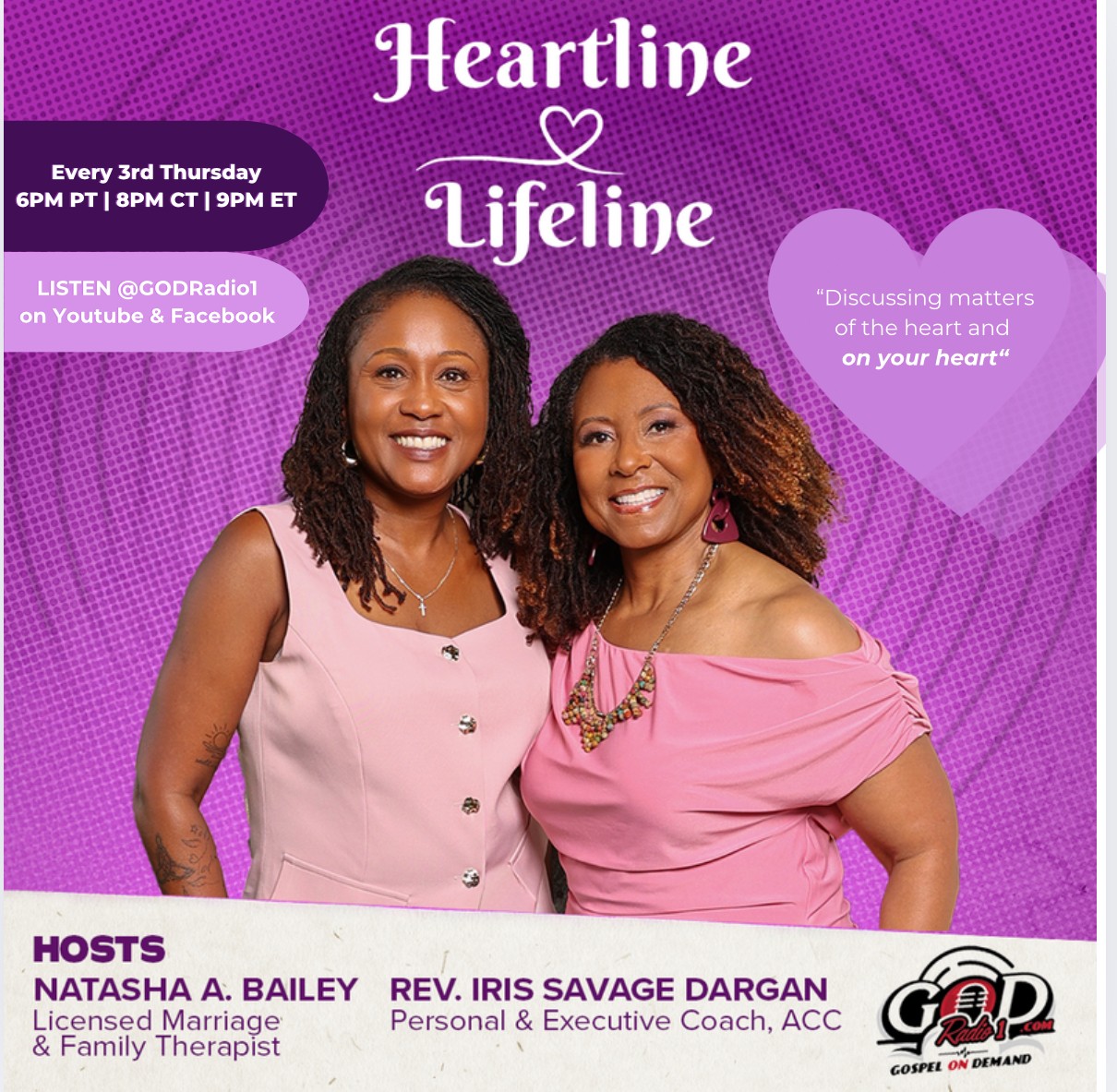
Image Credits
credit for picture in pink top
Revamped Ventures
Popular
-

Hidden Gems: Local Businesses & Creatives You Should Know
-

San Diego’s Most Inspiring Stories
-

Helen Liang on Bringing North Coastal Floral Design to Life Through a More Personal, Community-Driven Retail Experience
-

Ryan Grow on Turning Personal Struggle into Atmosphere, Memory, and Meaning in The Water Remembers

