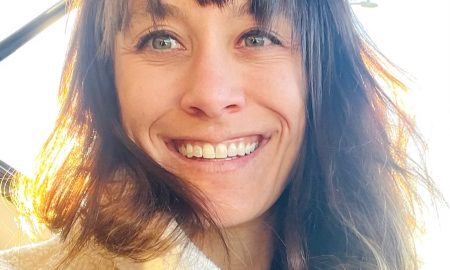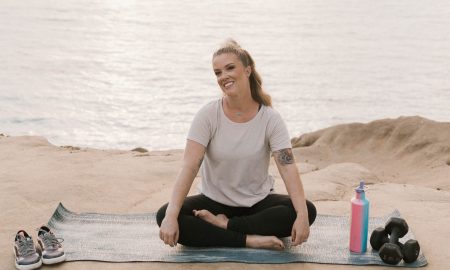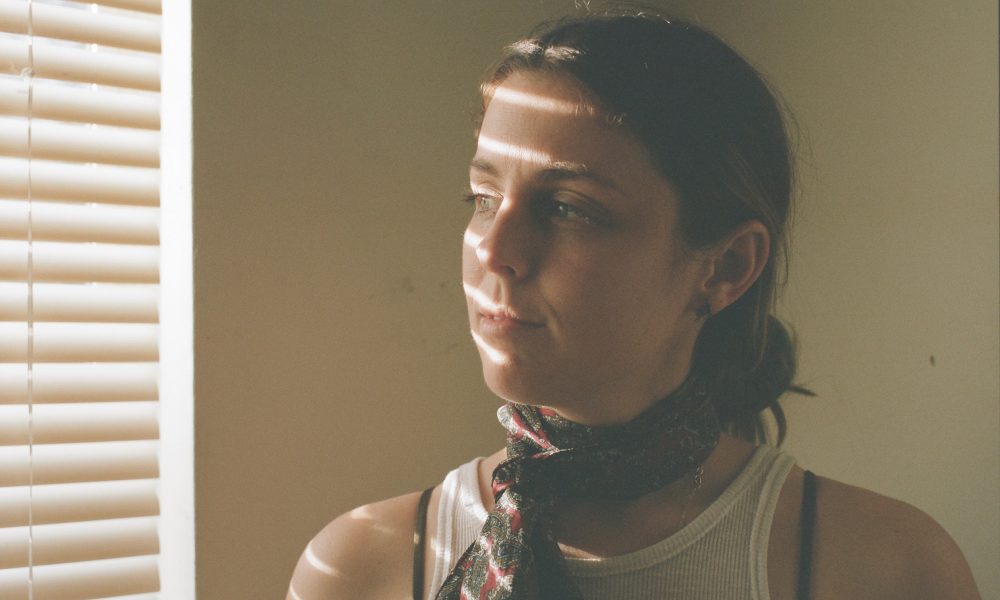
Today we’d like to introduce you to Cat Coppenrath.
So, before we jump into specific questions about the business, why don’t you give us some details about you and your story.
It all happened in a heartbeat, it seems. My chaotic adolescence, college and graduate school, and then my nine to five career, all memories now though. What seems like a lifetime is my pursuit of art and creativity and how this has intersected with my profession in social work and art as social practice, that really is the story here.
Born and raised in San Diego, I left for college in San Francisco when I was 17. I think this was the first time that I decided to never look back. I was unsure of what I wanted to do with my life, but when I took my first Humanities, Sociology, and Criminal Justice courses my learnings validated that I wanted to find some way to stand up for injustices that exist in the world. How could I do this in my own authentic way?
I ended up pursuing a graduate program in Clinical Social Work at New York University in 2013. What kept me coming back to the complex social issues that impacted the individuals I worked with was not the traditional psychoanalysis and counseling theory I was learning in the classroom but the consistent work I was doing with clients using art and expression to tell stories of trauma and oppression. Art gave us the opportunity to also find stories of strength, healing, and resilience within this struggle.
I say “art gave us” for a reason here. Parallel to this program, I began to experience feelings of psychological distress. These feelings were not new to me but they began to impact my life in a significant way. Privileged to have a strong support system, I was encouraged to seek out therapy and so I went. Although this helped with my diagnosis of anxiety, what really helped me push through was writing, music, yoga, and photography – nonjudgmental artistic expression.
Through all of this, I did end up looking back as many of us do. I moved back to San Diego in 2015 to find myself unemployed, with an immense amount of student debt and living with my mom. The lessons of this struggle were probably the most important because I landed myself in a self-reflective space, confident in my interest with the arts, and volunteering at an organization that jump-started my desire to work at the intersection of the creative arts and social work.
For 2 years, alongside a full-time social work job I worked closely with The AjA Project, a community-based arts organization based in City Heights, beginning the path that would lead me where I am today. I, for the first time in my life, acknowledged myself as an artist, pursued the education in photography at San Diego City College, and committed myself to find a way to integrate this into my career.
This past January, I made the decision to quit my full-time social work job here in San Diego and pursue art and social practice as my full-time gig. Currently, I am living in Tijuana, Mexico, working as a teaching artist in San Diego, and pursuing my own projects as an analog and digital fine art photographer and artist. In addition, I have completed two of my first participatory installation pieces this year.
Has it been a smooth road?
Looking back, my first memorable creative moment as a child was a woodworking class in elementary school. I remember feeling invigorated by simply putting something together before my eyes. My second really vulnerable creative moment was in college when I picked up my guitar and played with a group of people for the first time. My hands had never trembled so much. Why I am sharing this is – I believe this feeling of being invigorated, vulnerable, and stimulated through true art and expression it is not easy.
I think risk and fear are inherent to the creative process. I reflect on how much myself and my colleagues as artists invest our time and energy into projects that we are not sure what the end result will be. We do not even know if it will truly engage this important vulnerable conversation, enable action resulting in policy change, or engage individuals we are trying to reach. I do believe though that this risk is important because at the end of the day if we do not do this work, who will? We see the value and we see the need, so how do we get others to believe in this work too?
The arts nonprofit sector is not as sexy as it may seem. It is not as marketable as hip galleries, brands, and for-profit artist spaces. This leaves many of those doing the groundwork in these organizations to be overworked, underpaid, and left with the question – is this really worth the struggle?
Something that guides me in this is the following question: Who is the work about? If it is about you, as the individual, then art as social practice probably isn’t the right space for you. This is a conversation I continue to have with myself as I explore this field, the martyrdom that seems to accompany a lot of this work, and the important participants in the programs I teach that continue to drive my place in this work.
So let’s switch gears a bit and go into the Cat Coppenrath Photography story. Tell us more about the business.
My current professional and personal work is examining narrative around personal history, trauma, mental health, and the intersection of this in injustice and inequality. I am interested in exploring the power of the image in present day context, reframing what this image looks like and means in public spaces like social media, and challenging the representation of individuals in these places.
What is not being said and who is missing in this conversation? How can the photograph be a cultural function? Politically? Socially? Personally? What is the artist’s intention behind each piece? And how can the artist be used as a tool to engage the masses in an important conversation regarding social issues? I aim to create something that is more than just entertainment.
For myself as an artist, it is crucial to embody this critical framework in how I see myself, my work, and how I insert myself into both the nonprofit and for-profit arts sector in San Diego and beyond.
How do you think the industry will change over the next decade?
The field of socially engaged and community-based arts is struggling, especially with arts and culture budget cuts under our current administration. This makes me reflect on how people connect to the world of the visual arts. The masses feel that art is only for the elite or for people who have the “creative bones” in their body.
My critique is that you do not need to know anything to engage in and critique art. With what I see as a role of the public in the conversation of public art and gallery art, if we are creating conversations around complex social issues, this conversation needs to be engaged by all. This is especially true if we do not have personal lived experience in these issues.
In order to successfully do this, I believe we need to very carefully examine who has access to these spaces and how this controls the conversation around authorship, access, and privilege in the world of the arts. I believe this can inform some of the larger issues around the value of the socially engaged arts in a society which in turn project feasibility and access to funding opportunities.
Contact Info:
- Website: www.catcoppenrath.com
- Email: catherinecoppenrath@gmail.com
- Instagram: @voodooeyefoto
- Facebook: https://www.facebook.com/catcoppenrathphoto


 Image Credit:
John Blazzi
Getting in touch: SDVoyager is built on recommendations from the community; it’s how we uncover hidden gems, so if you know someone who deserves recognition please let us know here.
Popular
-

Gina Gerrato Greenhaus on Early Intervention, Intentional Planning, and Redefining What Makes Students Stand Out
-

Desiree Borja on Reframing ADHD, Embracing Neurodivergent Strengths, and Using AI as a Tool for Equity
-

San Diego’s Most Inspiring Stories
-

Hidden Gems: Local Businesses & Creatives You Should Know