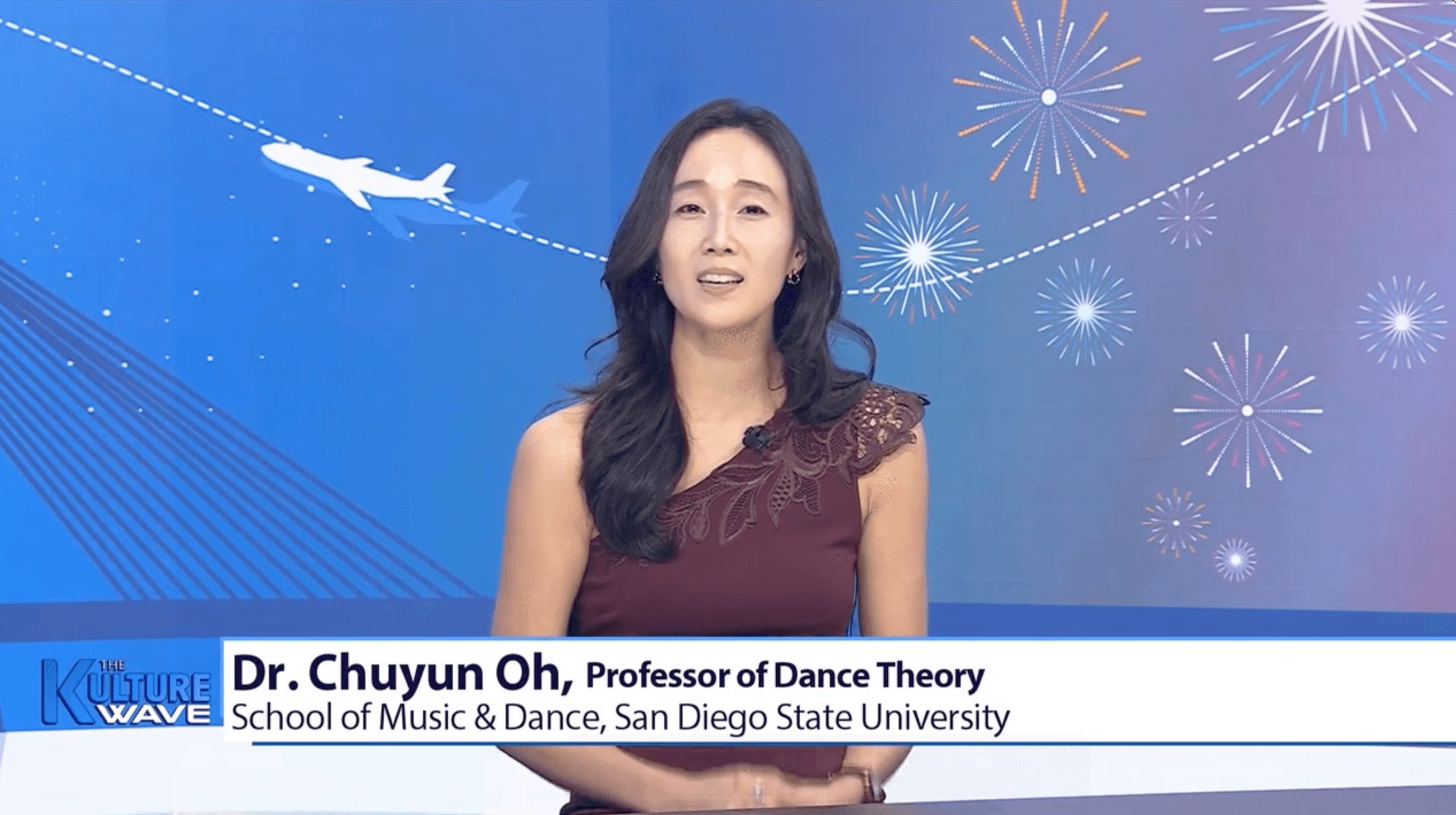
We recently had the chance to connect with Chuyun Oh and have shared our conversation below.
Chuyun, it’s always a pleasure to learn from you and your journey. Let’s start with a bit of a warmup: What is a normal day like for you right now?
I couldn’t stop scrolling through my phone, watching K-pop dance moves from the viral Netflix show K-pop Demon Hunters.
Can you briefly introduce yourself and share what makes you or your brand unique?
Dr. Chuyun Oh (https://www.instagram.com/chuyun.oh/), Associate Professor of Dance Theory at San Diego State University, is recognized as a pioneer of K-pop dance studies in the United States. Her book K-pop Dance: Fandoming Yourself on Social Media (Routledge, 2023) became an Amazon “New Release” bestseller and stands as the first monograph devoted to K-pop dance theory. At SDSU, she designed and teaches the nation’s first three-unit General Education courses in K-pop dance theory and practice, open to both dance majors and non-majors within the humanities curriculum. In addition, she founded Oniz Lab (https://www.onizlab.com/About), a bi-national research and education hub that offers a government-registered “K-pop Creator Certificate” in California and Seoul, providing students each summer with immersive study-abroad opportunities in the birthplace of K-pop.
Amazing, so let’s take a moment to go back in time. What’s a moment that really shaped how you see the world?
I approach the world through the dual lens of a dance scholar and practitioner, shaped by training in both Western and Korean traditions. Today, it is K-pop dance that captures my attention—its viral circulation through platforms such as Netflix’s K-pop Demon Hunters, with its striking choreographic imagery, signals the genre’s growing cultural weight.
As a theorist with a PhD in Performance Studies from the University of Texas at Austin, I research and teach dance theory and history, including Korean dance. My own formation as a performer was hybrid from the start: I trained in traditional Korean dance at the Little Angels Children’s Folk Ballet of Korea, in ballet at Sunhwa Arts School, and in modern dance at Ewha Womans University—three of the most prestigious institutions in Korea at the time. This layered background now informs my scholarship, allowing me to recognize the echoes of Western concert dance, Asian modernism, and Korean tradition within the complex vocabulary of K-pop choreography.
My intellectual and artistic project has become clear: to establish K-pop dance not as a fleeting trend but as a form worthy of inclusion in the world’s dance history textbooks, a genre that embodies both rigorous training and the cultural resilience of the twenty-first century.
Was there ever a time you almost gave up?
Interestingly, I nearly gave up at every transition in my artistic journey—first when I moved from traditional Korean dance to ballet, then again from ballet to modern dance, and once more when I applied for my PhD as a theorist, setting aside my professional career as a performer.
So a lot of these questions go deep, but if you are open to it, we’ve got a few more questions that we’d love to get your take on. Whom do you admire for their character, not their power?
I admire the artists and creators of the K-pop industry, which has now extended far beyond South Korea’s borders. Those who produce K-pop–themed works, such as K-pop Demon Hunters, often include members of the Korean diaspora—Korean Canadians among them—whose creative research discloses not only their professional investment but also their enduring love, passion, and curiosity for K-pop and Korean culture. I also hold deep admiration for K-pop idols themselves, whose relentless labor and artistic dedication generate performances that astonish global audiences.
Reflecting on my own early struggles as a scholar, I recognize that each transition—moving from Korea to the United States, from classical dance to performance studies, from stage practice to academic writing—has shaped me into a resilient theorist with a versatile, inclusive, and global perspective. This hybrid background has become my strength in analyzing K-pop dance, a form that thrives precisely because it fuses traditions and contemporaneities, East and West, artistry and commerce.
Audiences may disagree about K-pop’s artistic legitimacy, yet as both an artist and a scholar I see its value in integration. Works such as K-pop Demon Hunters exemplify how Western production models and marketing logics can be interwoven with Korean traditions, from folk motifs and shamanic gestures to K-drama narratives and idol choreographies. Such hybridity does more than entertain—it offers a renewed lens through which to understand the present and to imagine ourselves differently, in dialogue with both the past and with others.
Okay, so let’s keep going with one more question that means a lot to us: What do you think people will most misunderstand about your legacy?
People often assume that my research on K-pop dance became visible only because the subject itself is fashionable. Yet I must emphasize that my book, K-pop Dance (Routledge, 2022), was the result of seven years of sustained effort—gathering ethnographic data, conducting interviews, visiting countless rehearsal spaces, and engaging in an endless cycle of writing and rewriting. All of this began long before K-pop entered the global mainstream, when it was a topic so marginal that, during my first conference presentation in 2011, only two audience members attended—a number smaller than the panelists themselves.
I recognize a parallel within the K-pop industry. Many assume that idols are simply young, attractive teenagers who stumble into stardom, yet most have endured years of rigorous, almost athletic training regimes that resemble those of Olympic athletes. To uncover and honor these hidden histories of discipline and pedagogy, I am currently writing my second book, K-pop Dance Education (forthcoming, Routledge 2026), which seeks to trace how K-pop dancers have transformed their training from the cramped austerity of practice studios to the dazzling stages of the global pop industry.
Contact Info:
- Website: https://music.sdsu.edu/people/oh-chuyun
- Instagram: https://www.instagram.com/chuyun.oh/
- Linkedin: https://www.linkedin.com/in/chuyun-oh-7a92b380/
- Twitter: https://x.com/OhChuyun
- Facebook: https://www.facebook.com/chuyun.oh
- Youtube: https://www.youtube.com/@Chuyunoh
- Other: Oniz Lab: https://www.onizlab.com/About
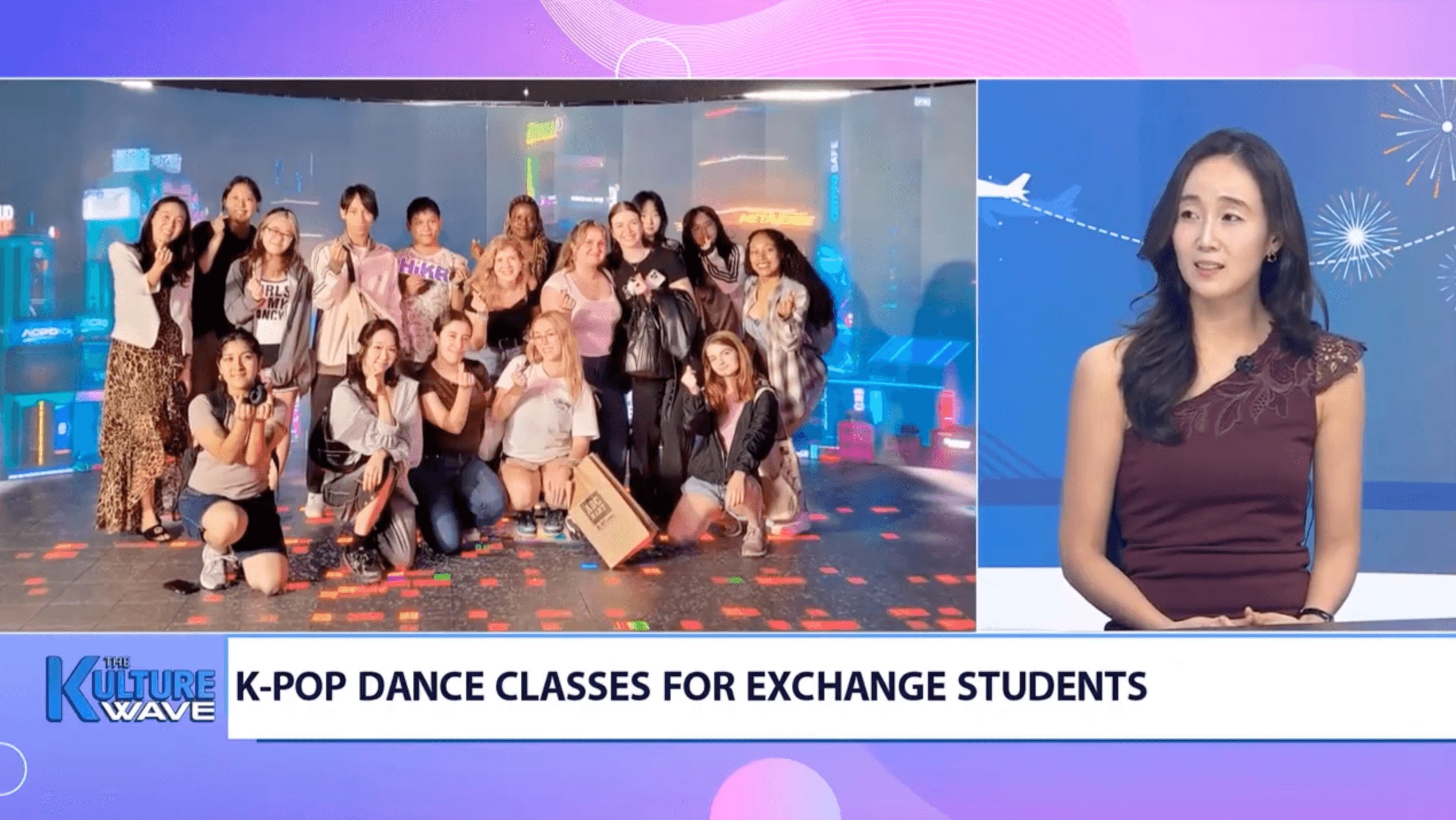
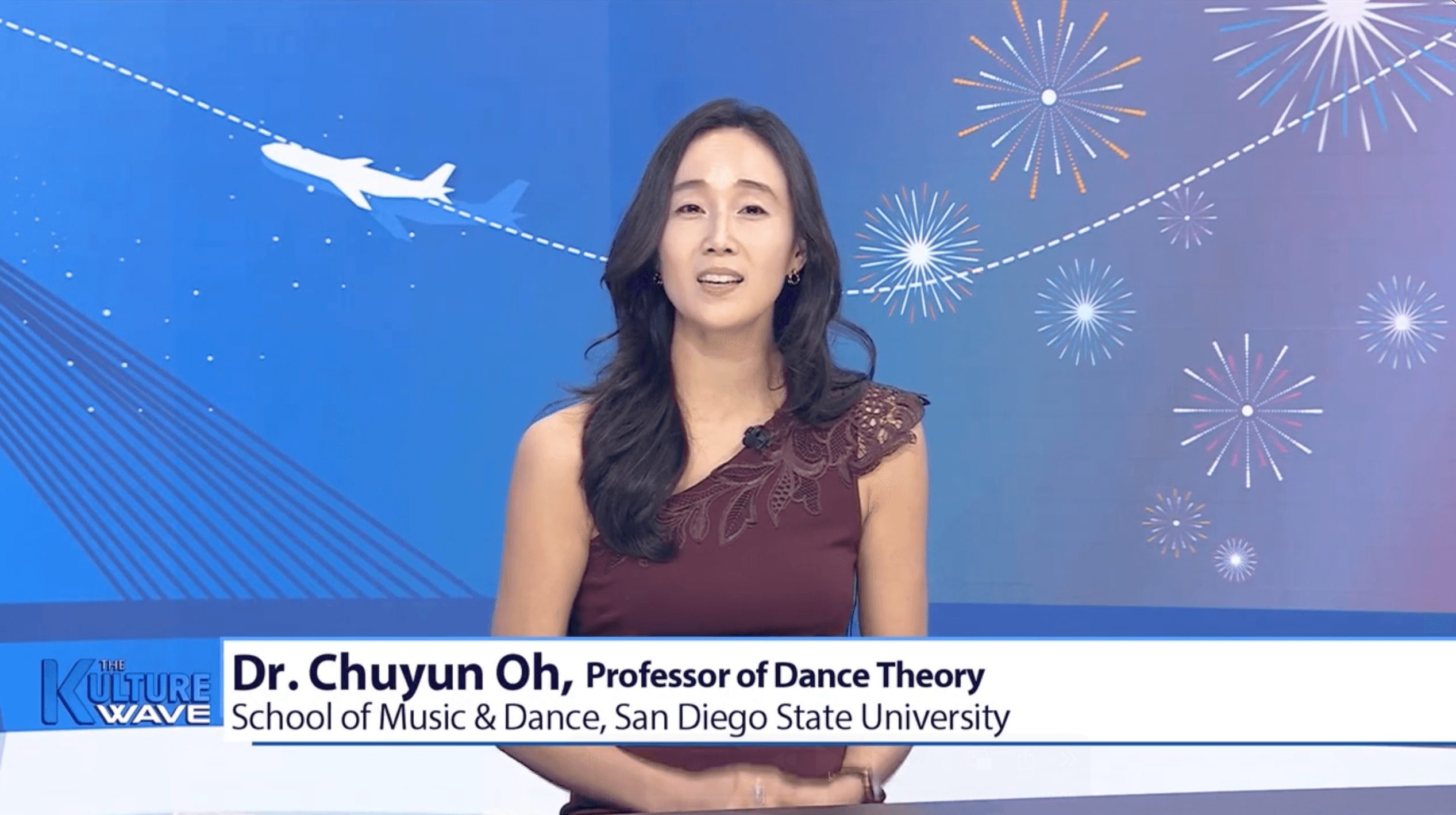
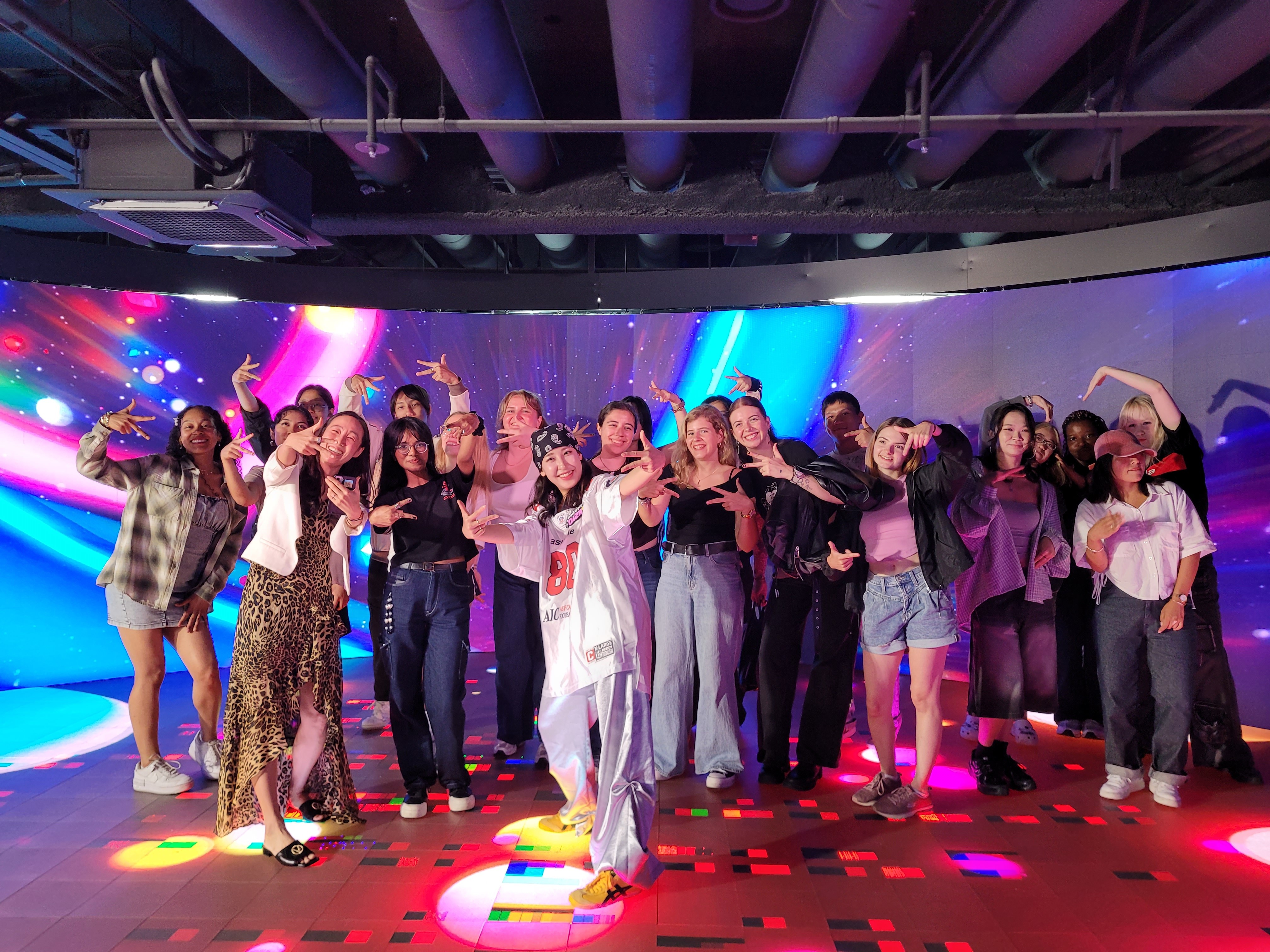
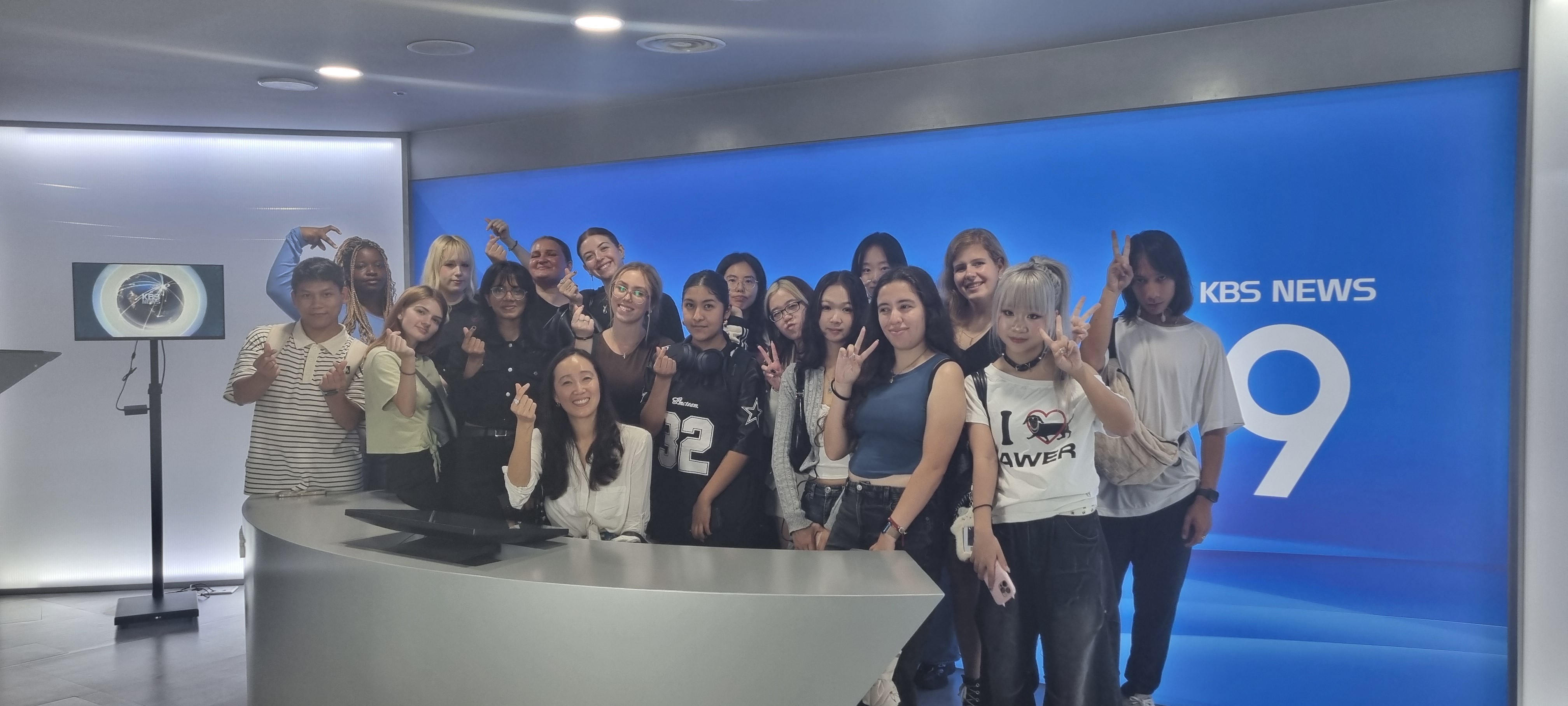
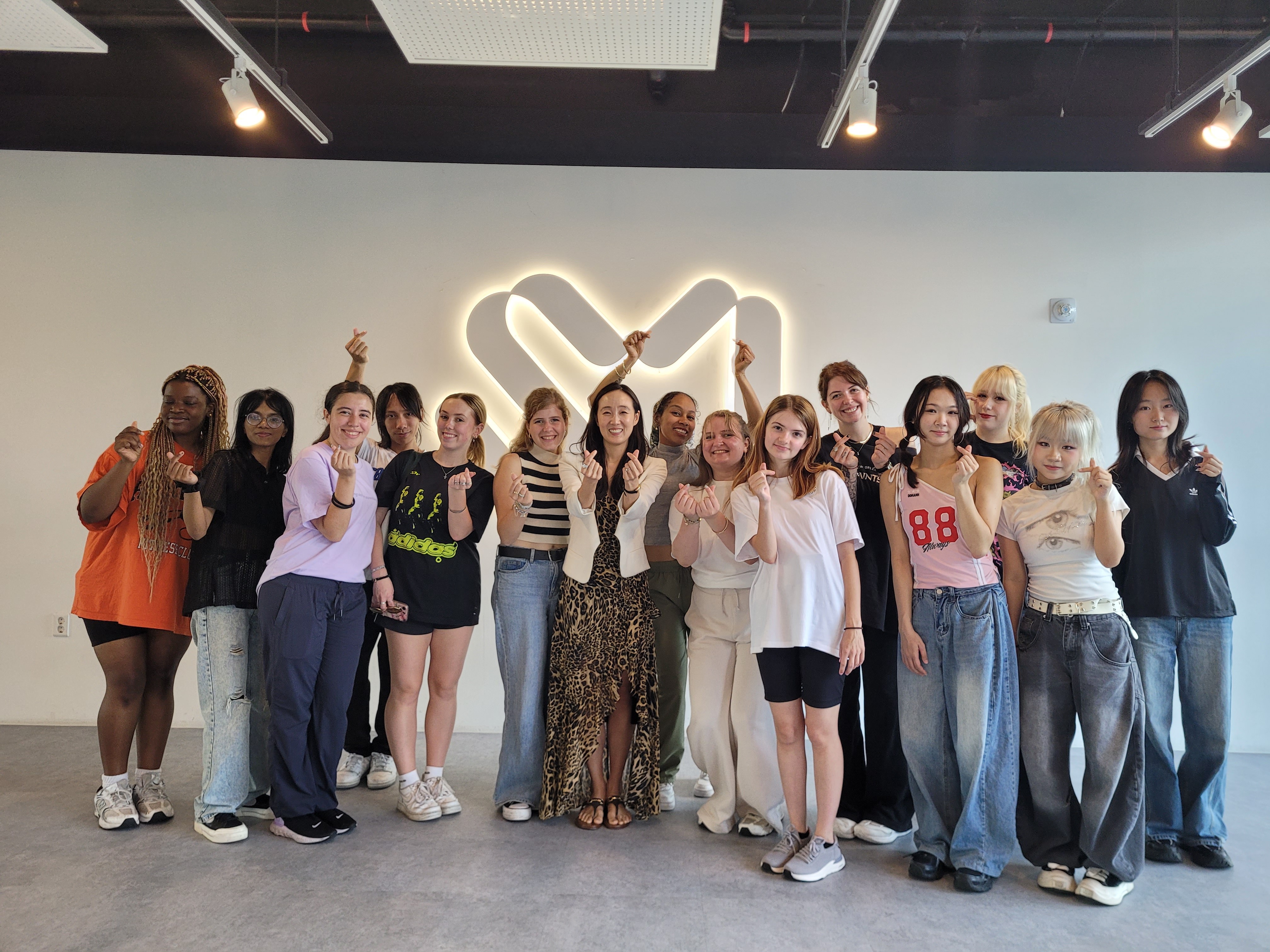
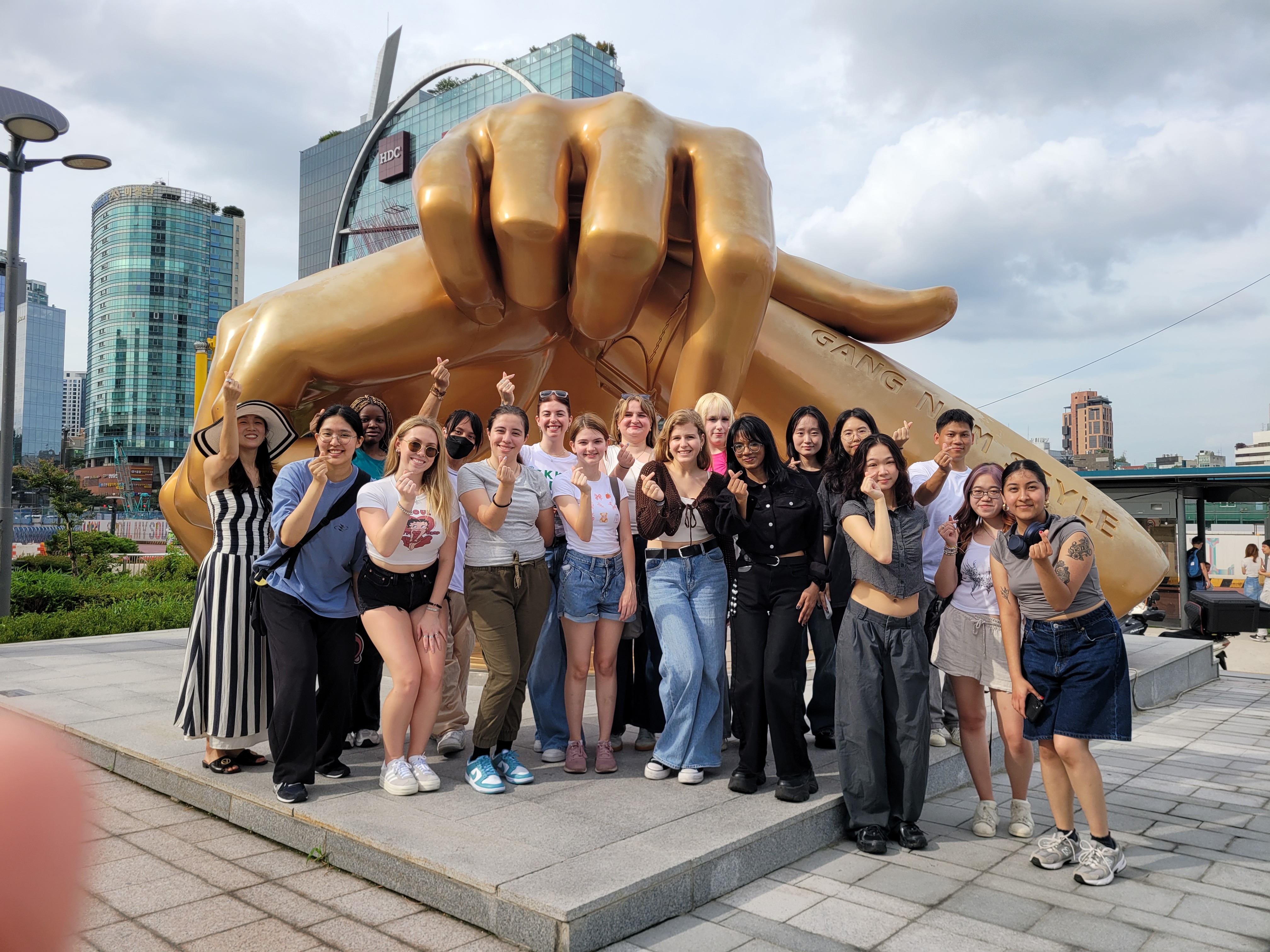
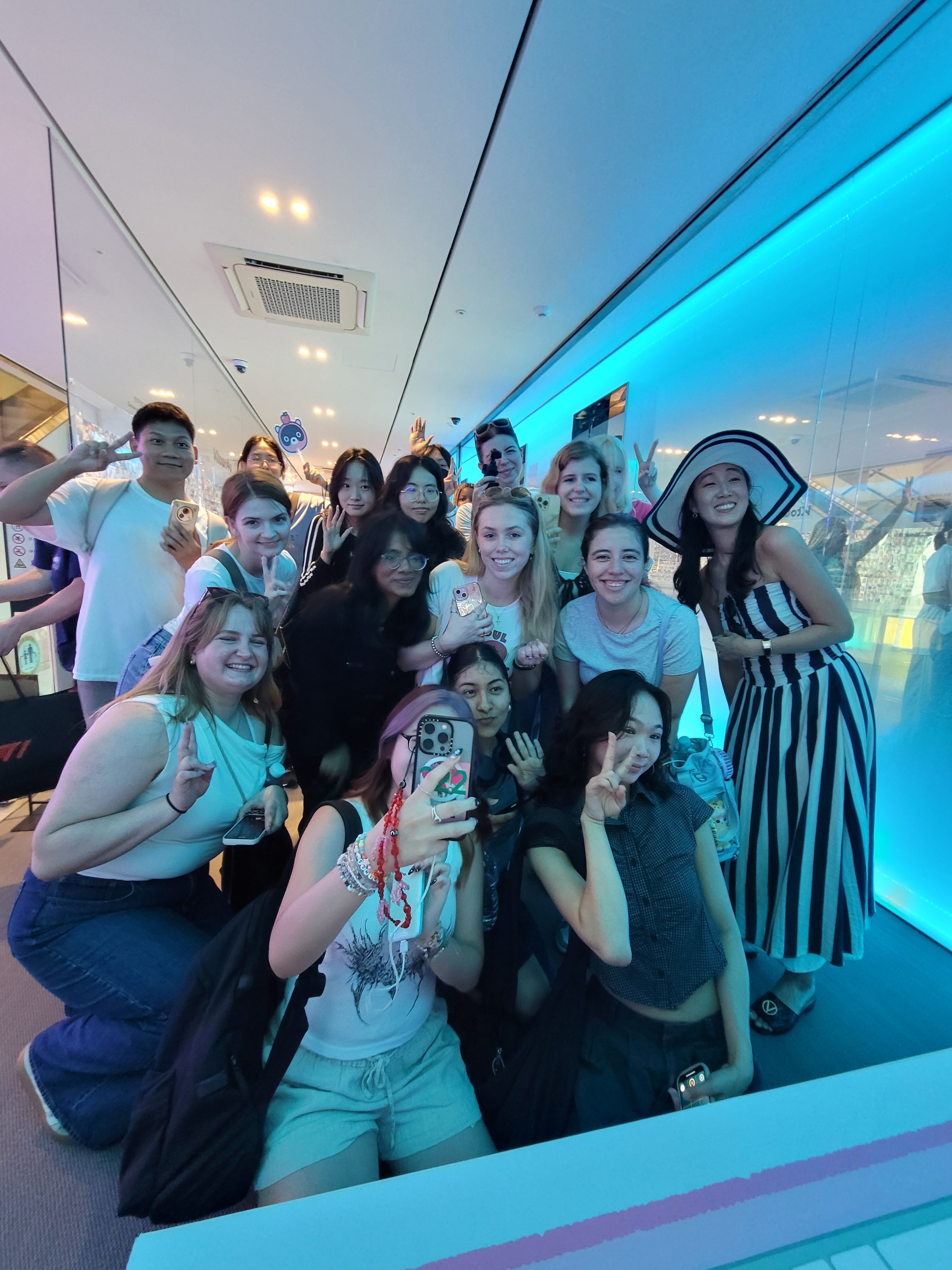
Image Credits
Chuyun Oh
Arirang News (the two screenshots of Kulture Wave)