


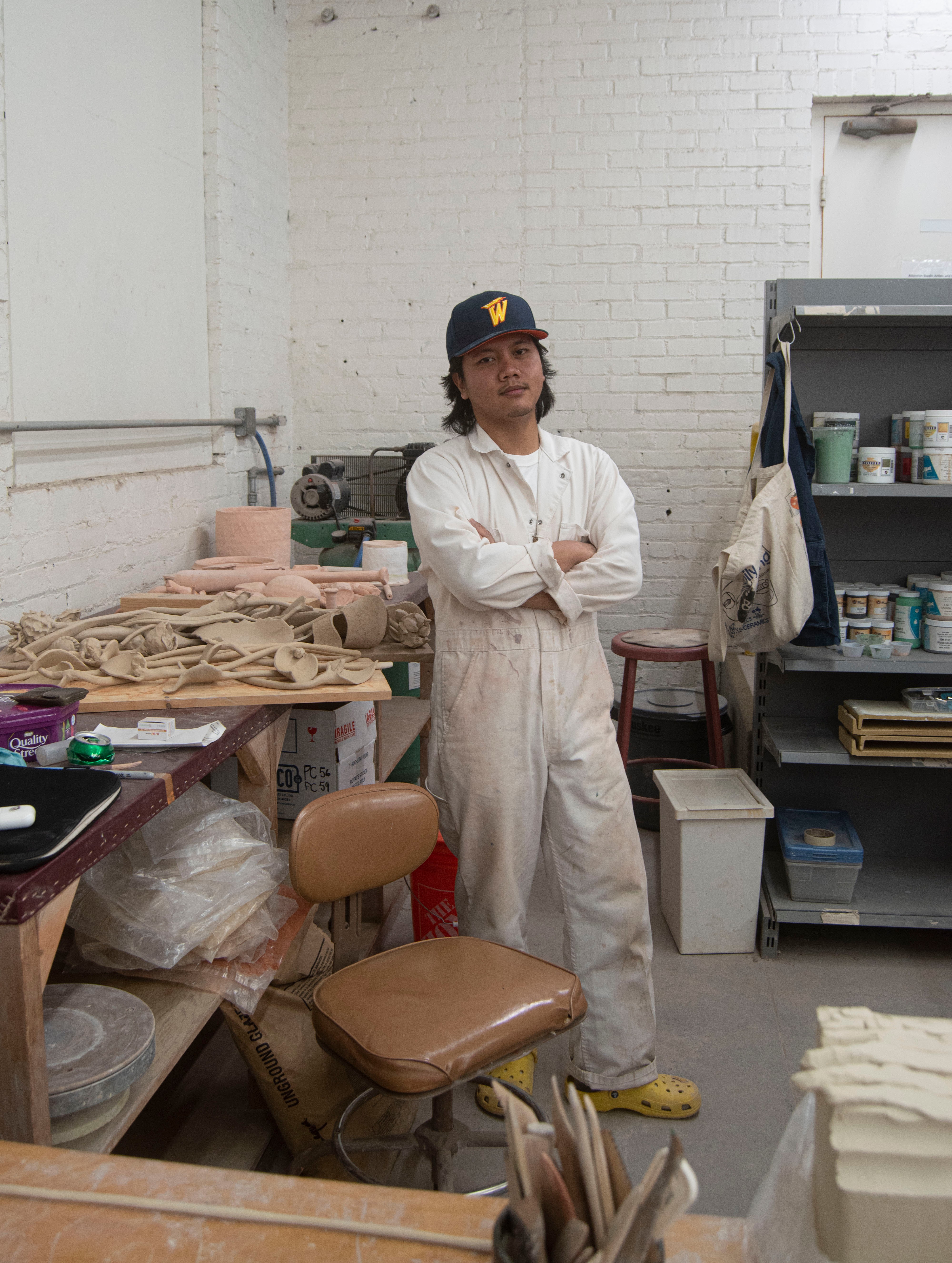
Today we’d like to introduce you to Reniel Del Rosario.
Hi Reniel, we’d love for you to start by introducing yourself.
I was born in the Iba, Zambales, Philippines—about a 6 hour drive away from Manila. I don’t remember much as a kid in the Philippines except for some strong memories of spider fighting and scraping moss from rocks for fun. My mom and I immigrated to the States early on, where my father was already an American citizen. I grew up in Vallejo, CA, where much of my dad’s side immigrated around a decade earlier. I wish there was much more to say about my childhood that was extraordinary, but I think it was rather ordinary. Riding scooters and bikes in the neighborhood, going online to play flash games on early to mid 2000s internet sites, and making action figures out of pipe-cleaners. You know: kid stuff at the time.
I went to the University of California at Berkeley in the hopes of getting a landscape architecture degree—a degree that would line up more with my background of a STEM middle and high school where I did robotics, computer science, and the like. This degree never came to fruition. You see, I always liked making art (whether it was drawing in the margins of my notes or doing poster projects for school) and figured I’d try to do an art minor. It turned out if I didn’t do an art minor my second semester of freshman year, I would fall behind and it’d be harder to do an art minor, so I tried signing up for a painting class. It was full. Drawing class? Full. Printmaking? Full. Sculpture? Full. Every class was full and denied my enrollment except for ceramics. And that was the biggest mistake of my life because it absolutely changed everything.
Ceramics was everything I never experienced within my artistic side. It was tactile, three-dimensional, and new. I didn’t know what I was doing with it. The first ever project I tried to make was poorly covered and dried up over the weekend and had to be remade. I made things that were too thick and they exploded in the kiln. I glazed poorly and the end results were just wrong. It was fun being an amateur and being new to it. I was captivated by this medium that was so alien to me, but felt so right. I got obsessed and took the next ceramics course before I asked the studio technician, Ehren Tool, if I could just come into the studio and make things without being enrolled in a class because I just wanted to make things in clay without the rigor of a course. He obliged and mentored me in a way that made me the artist I am today. I applied that mentality he really helped me get about working hard, mixed it in with the things I was learning from studio courses and looking at contemporary art, and started making work I was really proud of. I started making work that I wanted to make for myself rather than the kind of work I needed to just get a good grade.
It’s weird to look back because it doesn’t feel that far away. That first class was in the spring of 2016. It’s the summer of 2025 now and I’ve done things I never thought I would be doing this “early” in my career, but it all feels like it just happened. I graduated and then I was one of 10 artists that received the prestigious Center for Craft’s Windgate-Lamar Fellowship in 2019 and things really snowballed from there. I started having group shows in the Bay Area, solo exhibitions, more group shows, artist residencies, invites to create work for Facebook/Meta, solo shows outside of the Bay Area, and more. The “kid” that enrolled in that ceramics class never expected to have the kind of opportunities and CV I have today.
I’m sure it wasn’t obstacle-free, but would you say the journey has been fairly smooth so far?
Being an artist is difficult. It’s not the hippy-dippy or Atlantic-accent producing lifestyle that is often associated with it through media. It’s a full-time job that means most of the time you are your own manager, editor, publicist, accountant, and everything else. You have to make things work and you have to make the best use of your time always. I think the biggest struggle I faced is realizing that even though I’m an artist, being in the studio all the time is not the 100% sure fire way to be productive. You need time outside the studio to really be there with the world, get inspiration, and calm you down. Then when you’re in the studio, you have to make the best use of your time and it makes it so much more important.
It seems counterintuitive as an artist since the perceived notion is that of a tortured artist making things in a box of some sort. But I think it’s because I don’t want to be a tortured artist. I want that time outside of touching clay, paint, or wood, so I can have a breather. It would be great to have 10 hours of studio time every single day, but it’s good to see the outside world. It’s great to see exhibitions at galleries, museums, etc. so I can see what’s happening in the contemporary scene. It’s great to talk with friends, throw ideas at them, and have a mock jury for projects. It’s great, recommended, and I would say necessary to separate yourself from the studio more often than you think because the work will truly flourish more if you have some joy outside of it.
Appreciate you sharing that. What else should we know about what you do?
I am an artist that works with ceramics, installation, satire, and performance to create work that discusses the idea of value behind the consumerist culture. I playfully recreate or re-imagine familiar objects. From cakes to cigarettes to burial jars, these hand-built objects are made in the tens to hundreds and are full of imprints and inconsistencies. These objects are then gathered and put into a huddle crowd, pile, or in social interactive installation in public—mimicking consumer establishments, highlighting the abundance of the objects as an antithesis for the love of the mass-produced. These objects each carry the histories of the goods they mimic whether it’s making forgeries of luxury objects, selling art as if it was a consumer object, or recreating lost artifacts in a contemporary setting. Within my work, there is consistently an exploration of value—cultural, monetary, and historical. What’s worth money and what’s not? Which objects throughout history have importance and which ones have been deemed useless? Which objects carry a loaded meaning subdued amid their common usage and acceptance? Value is toyed with and it’s up to the viewer to readjust their own valuation of the objects.
When it comes to what I’m the most proud of, it’s probably the ‘Store’ series—an ongoing series of works that mimics real life establishments and often the tactics they use on consumers, purposefully and incidentally. These works have ranged from “life-size” mimicries of delicatessens, museums, corner stores, galleries, and more. These projects often utilize performance elements on top of the hundreds of ceramics and installation, which I think really set them apart from other things. They’re meant to be over-the-top and a little bit too much in the most bizarre way, which I embrace.
What was your favorite childhood memory?
I remember being a kid and going to the chicken farm with my dad. He was part of a co-op and I would go there after school in his somewhat beat-up 1990 Dodge Ram truck off a dirt road in the neighboring town of American Canyon. Nothing too crazy with the memories, but it’s just a memory of a simpler, less hectic time that I do miss. I do have a lot more memories of visiting my cousins in the next town over of Fairfield and using their computers to play flash games on Newgrounds or Miniclip, watch pre-monotization YouTube, and go on Club Penguin or Neopets, but the farm is something I miss a lot more. I would play on my Nintendo Gameboy or try to do homework in the truck and he’d feed the chickens, chitchat with the others, and gather the eggs laid. Out of all the memories there, I remember catching Regirock on Pokemon Sapphire out at the farm in the darkness of one of the unlit coops one afternoon. The farm and co-op no longer exist and are now just a field of solar panels that I can see from the freeway when I go back home, so when I drive by it I have that memory flash by.
Contact Info:
- Website: https://renieldelrosario.com
- Instagram: https://instagram.com/adrenieline
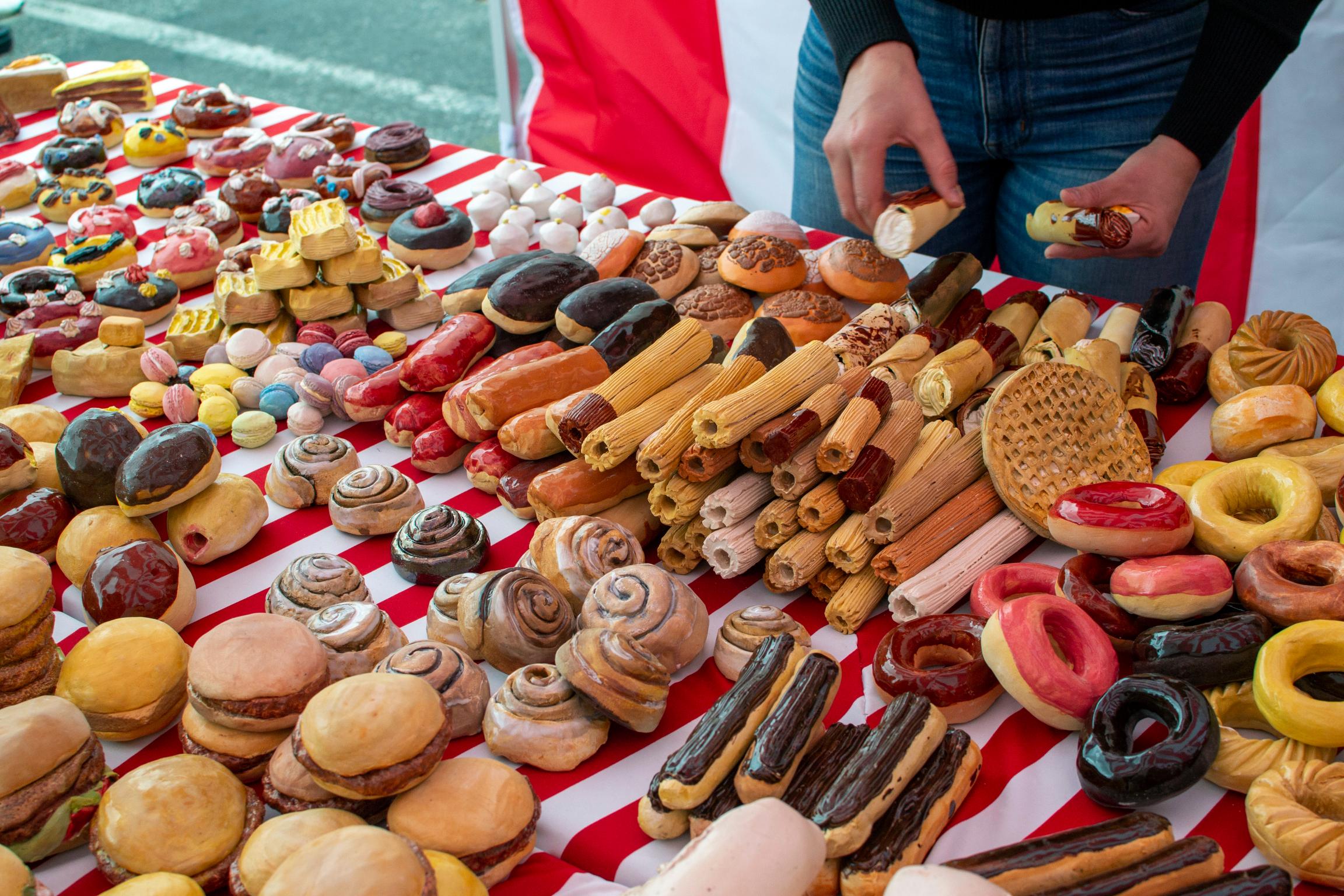
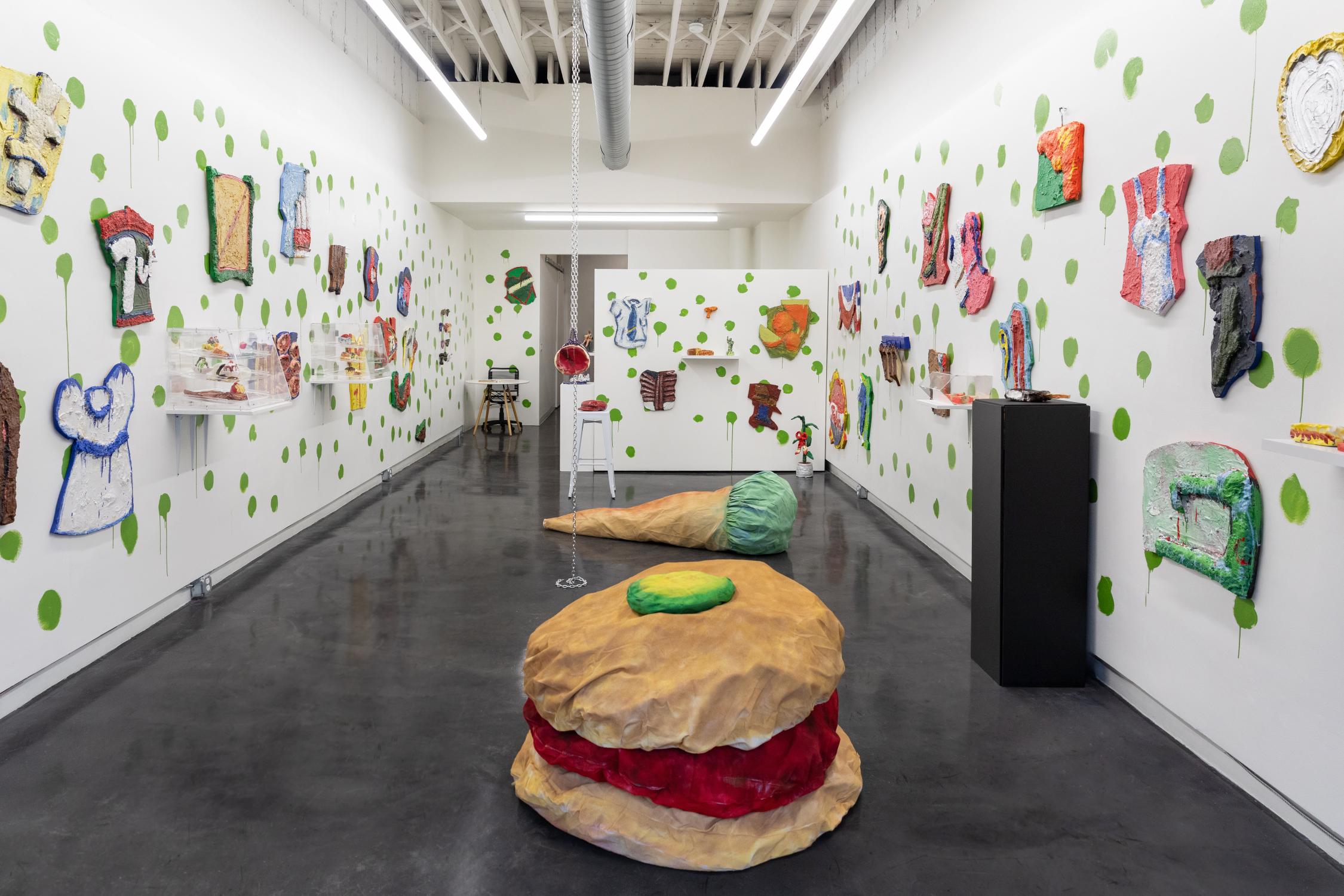
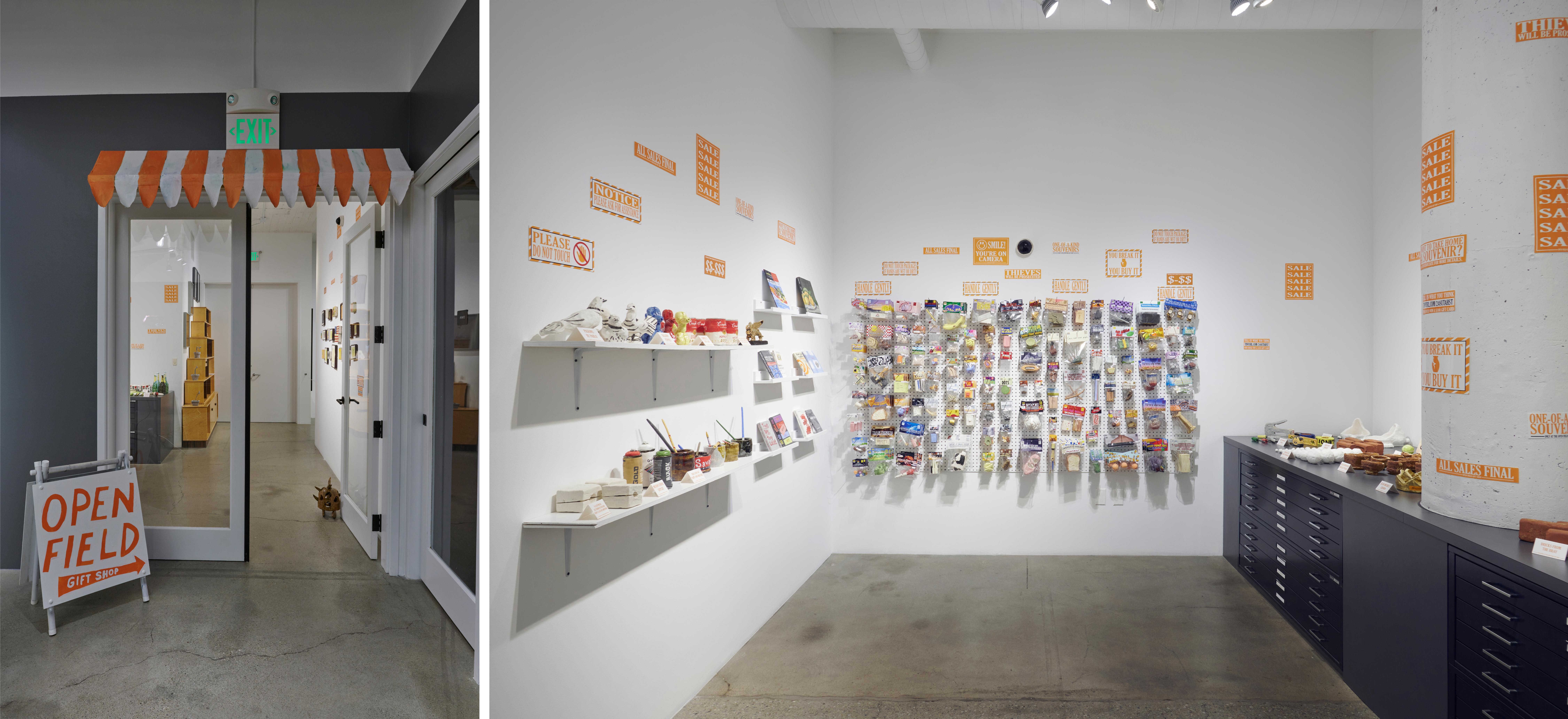
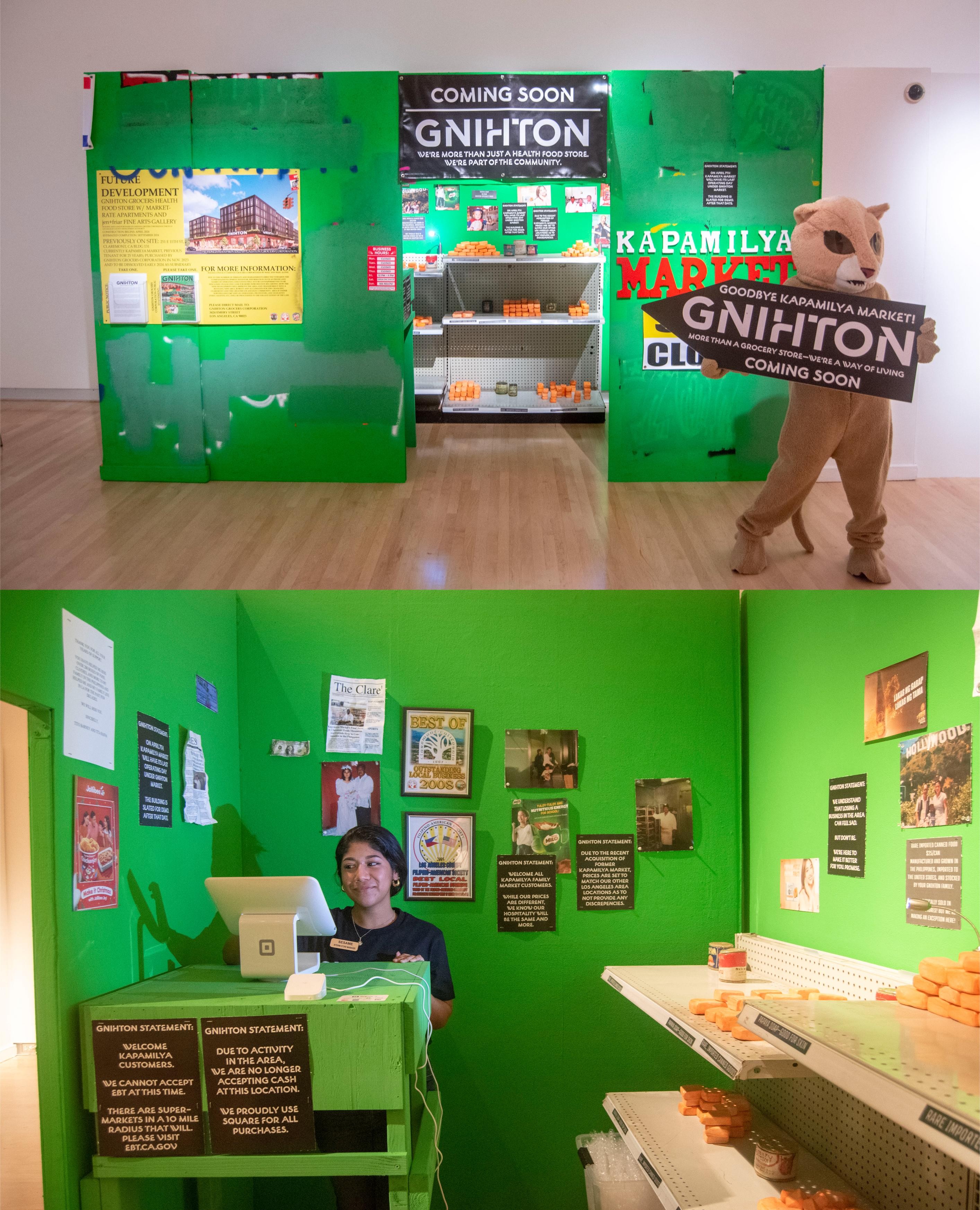
Image Credits
IMAGE 1: Courtesy of artist
IMAGE 2: John Wilson White
IMAGE 3: Dan Watkins
IMAGE 4: Courtesy of artist
Popular
-

Gina Gerrato Greenhaus on Early Intervention, Intentional Planning, and Redefining What Makes Students Stand Out
-

Desiree Borja on Reframing ADHD, Embracing Neurodivergent Strengths, and Using AI as a Tool for Equity
-

San Diego’s Most Inspiring Stories
-

Hidden Gems: Local Businesses & Creatives You Should Know

