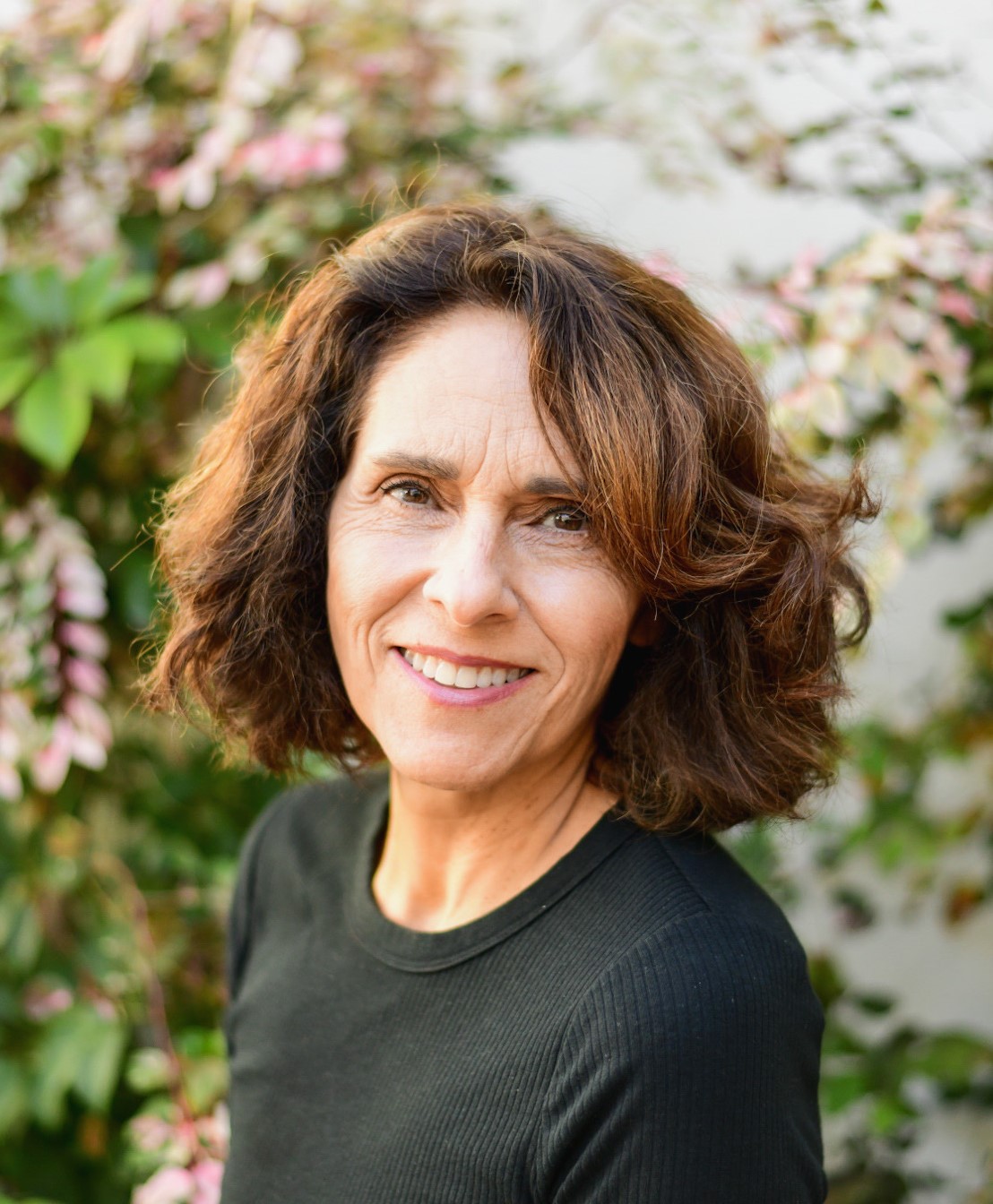
Today we’d like to introduce you to Rose Molina.
Alright, so thank you so much for sharing your story and insight with our readers. To kick things off, can you tell us a bit about how you got started?
As a baby boomer, I experienced first hand the turbulence of the sixties and seventies. It wasn’t until I went to a public high school that I realized everyone wasn’t Catholic. Being the only daughter of four kids in a ultra-conservative family, I thought that being a wife and mother were my only options in life. I had to escape my fate, so I joined the Air Force immediately after graduating from high school a year early. I wanted to see the world. Instead, I saw Missouri. I married the first guy who asked and had a baby.
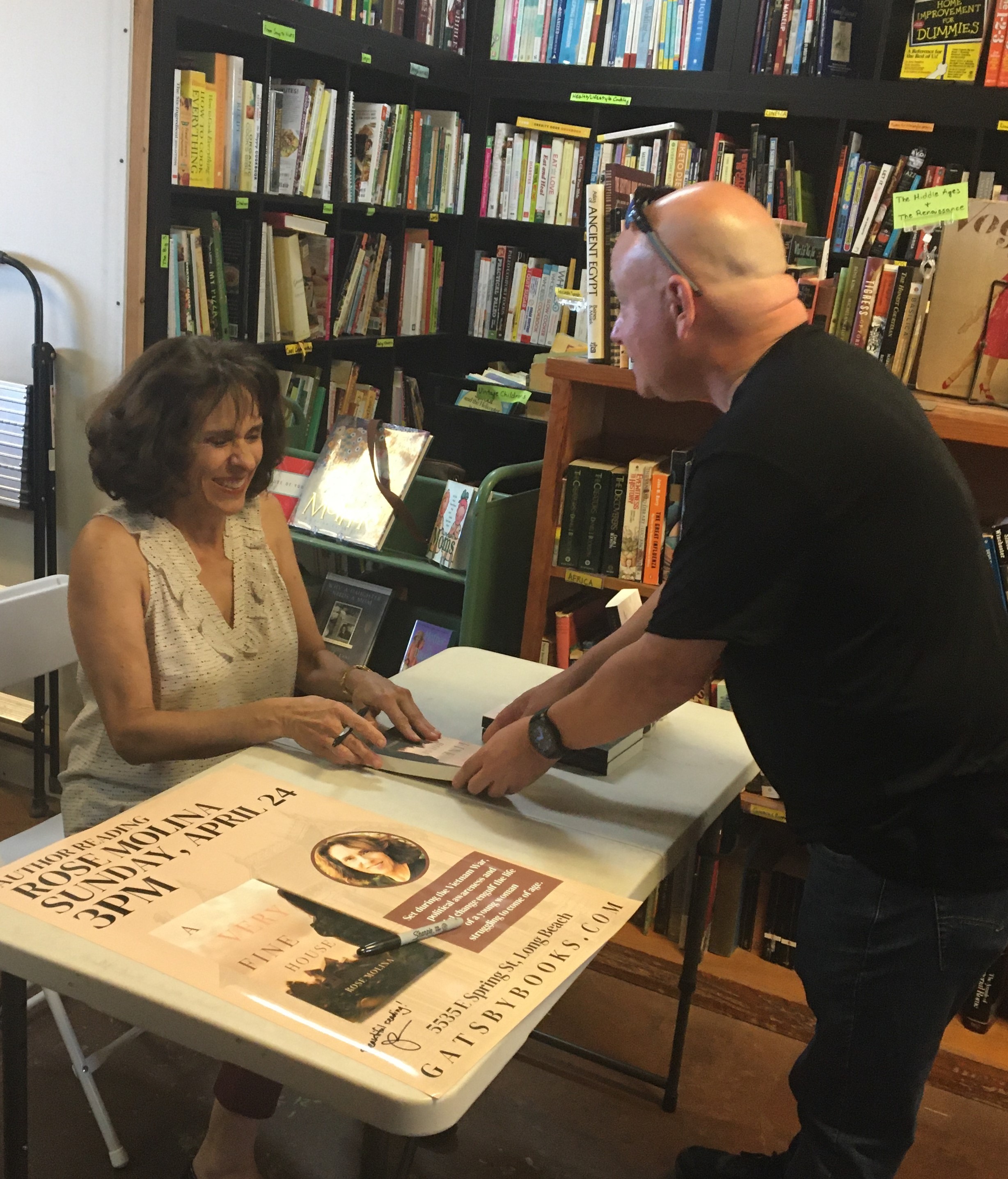
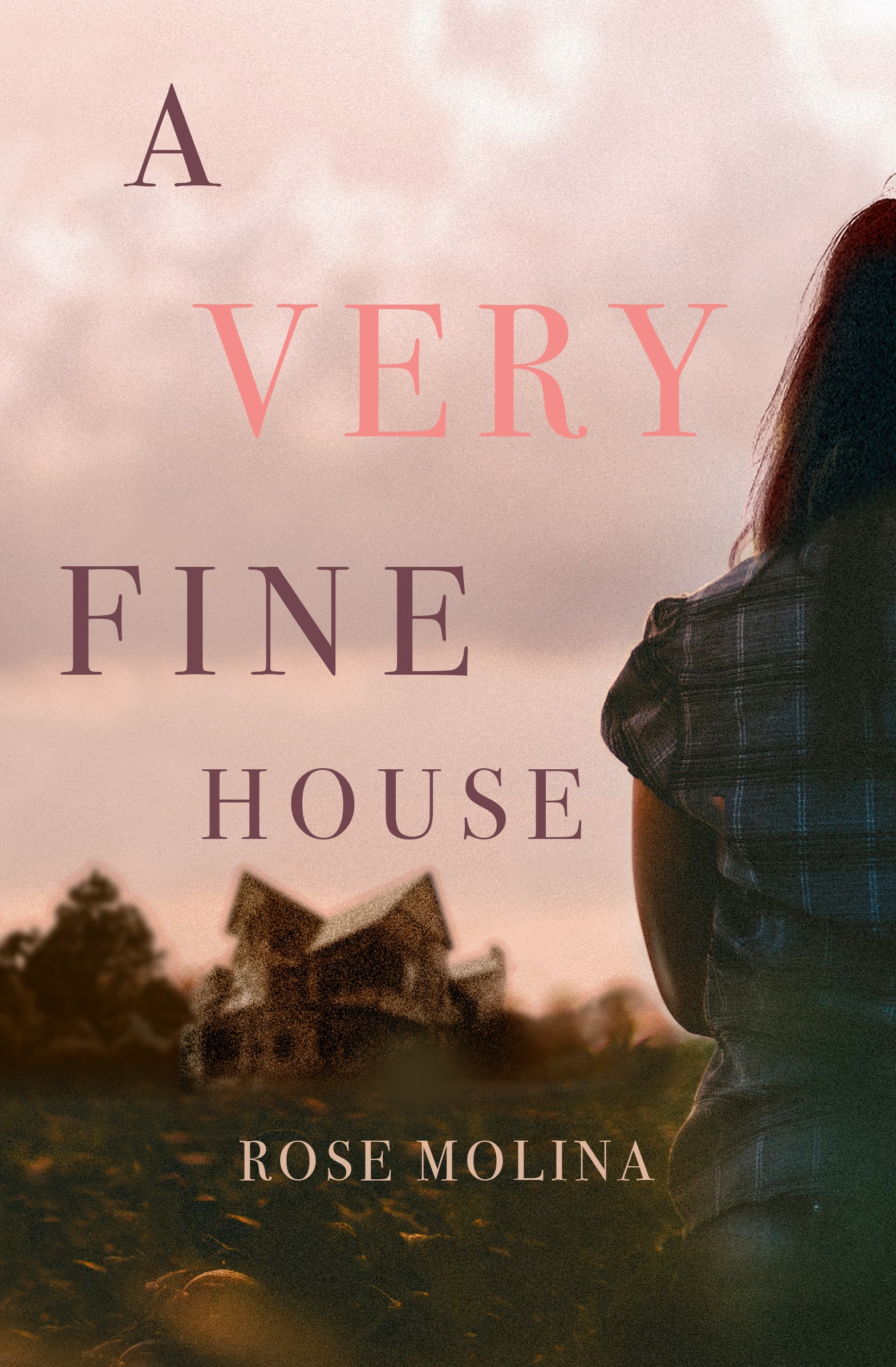
Luckily, due to an innate longing to pursue better things, I enrolled in college and juggled my Air Force duties, a baby, and college classes. Divorce was followed by my bachelor’s degree and a move back to my home of Huntington Beach, California. I retired from teaching after thirty-four years. But, after all those years, I never forgot a house that stood behind the yard of my elementary school. I wanted to turn it into a story. It took many years of self-doubt in my writing abilities, but I got it done. I have two bachelor degrees, a masters, and an award from the Orange County Human Relations Commission for my work in that field. But my proudest achievement is my novel, A Very Fine House.
Can you talk to us a bit about the challenges and lessons you’ve learned along the way. Looking back would you say it’s been easy or smooth in retrospect?
Being a woman of Hispanic origin is not an easy road to navigate. Growing up, Hispanic girls are subjugated to traditional female roles. My desires to graduate from college and have real profession, were discouraged. This is why I joined the Air Force. From the frying pan, into the fire. Women in the armed forces on a large scale was new in the 70s. Being married was actually a safe barrier to the misogyny around me. Once my four year commitment was up, the desire to graduate from college was strong. I enrolled full time, but my husband’s reassignments from Missouri to California and then to Georgia stretched out my mandatory course requirements in that they changed from one university to another. Finally, my a degree in education came with a divorce.
I moved back to California only to find that my Georgia degree in education was not acknowledged in California. Another degree was required. Finally, fully credentialed, I was hired as a social science teacher. It was in teaching that I realized that not much had changed from my strict upbringing and that of my current Hispanic and Islamic students. They also experienced the cultural resistance that disallowed their girls to grow and blossom in American culture. With my childhood fascination with that house across from my school, I thought that I could combine the two and let girls know that they are not alone. Thus, my novel is one of overcoming challenges and finding a place in the world.
As you know, we’re big fans of you and your work. For our readers who might not be as familiar what can you tell them about what you do?
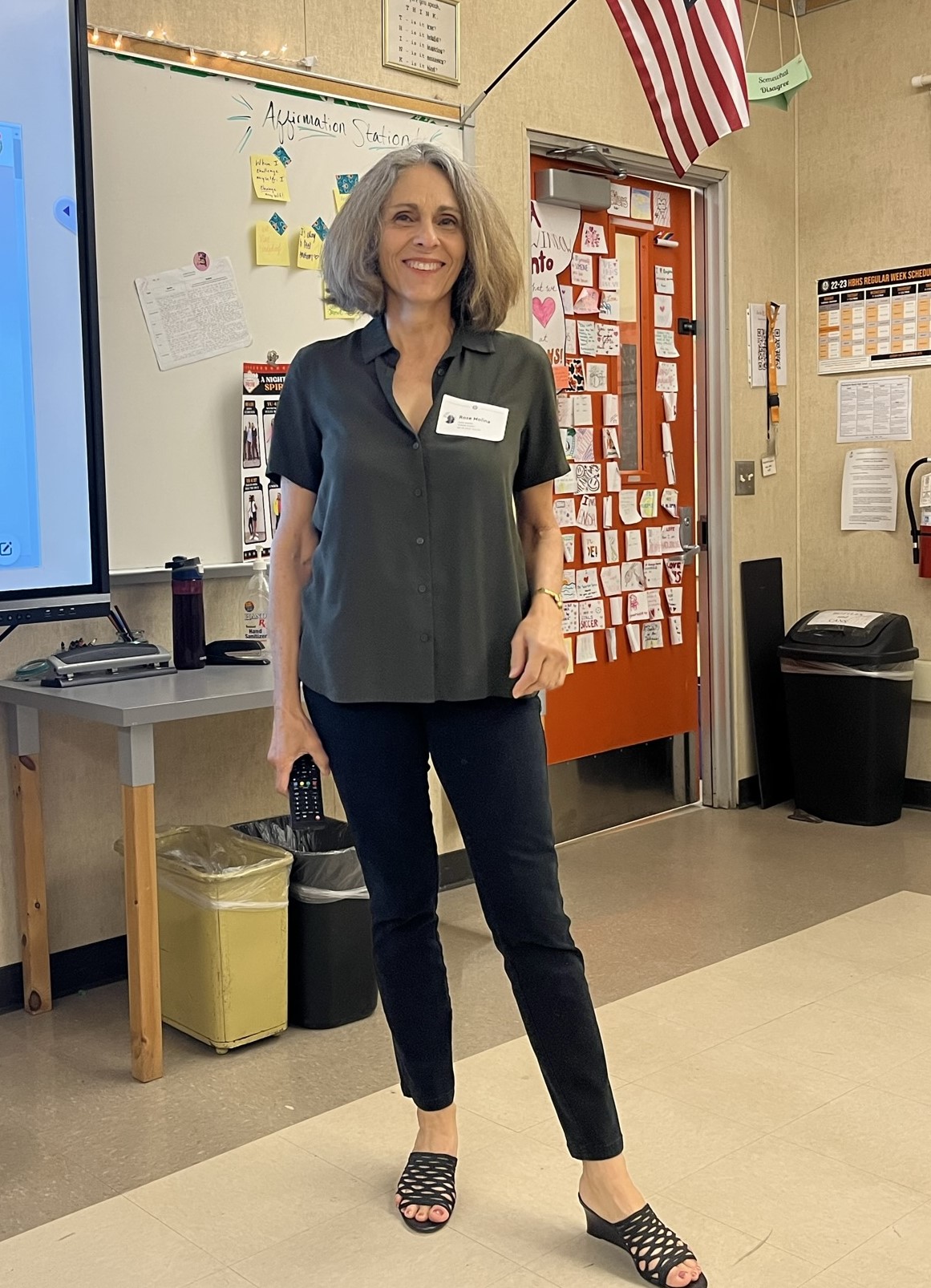
I taught U.S. history to middle schoolers before finding a position at the high school level. At one time or another, I taught everything from history to government/economics, and psychology. I was also the coordinator for the Program for English Language Learners. This position gave me great insight in the struggles of recent immigrants. It was very rewarding to watch non-English speaking freshmen learn and develop to pass the English Language Proficiency exams and be reclassified as Fluent English Speakers by graduation. For the last ten years of my career, I taught Advanced Placement economics and government. A teacher is rewarded when his or her students succeed. I was tremendously rewarded by a eighty to ninety percent pass rate on the AP exams most years.
For many years during my career, I kept my fellow teachers protected as the union representative. This role was quite challenging in that union representatives are mostly contacted when there are problems. Ergo, I met regularly with the administration to maintain open communication. I kept my staff informed and made it widely known that if I could not help them, I would find someone who could. In this role, I was, also, able to meet will all new hires and establish a relationship. Consequently, I knew everyone on staff.
My love of teaching did not end when I retired. I currently volunteer with the local library adult literacy program. My learner is a woman who has a goal of passing the GED exam. We are working very hard to get there. In fact, she won second place in the Emerging Writer category in the state’s adult literacy Writer to Writer program. She did the work, but I claim the bragging rights.
Are there any apps, books, podcasts, blogs or other resources you think our readers should check out?
I am a news junkie. As a government/economics teacher, it is imperative to stay current on national and international events. In retirement, I continue to keep informed. In fact, I keep a running discussion on Facebook with other news junkies. We seldom agree, but that is the crux of public discourse.
Three books are always my current reads. One is audio while driving or doing chores, the second is an ebook for waiting rooms, airplanes, standing in lives. The third is a paperback on my night stand. Yes, it gets confusing at times, but reading is like breathing to me. To list the books that have had an influence on my life is not possible. Just as people go through different stages in life, so do the stories that touch a nerve.
Contact Info:
- Website: https://rosemolinabooks.com
- Instagram: @rosemolina714
- Facebook: https://www.facebook.com/RoseMolinabooks