


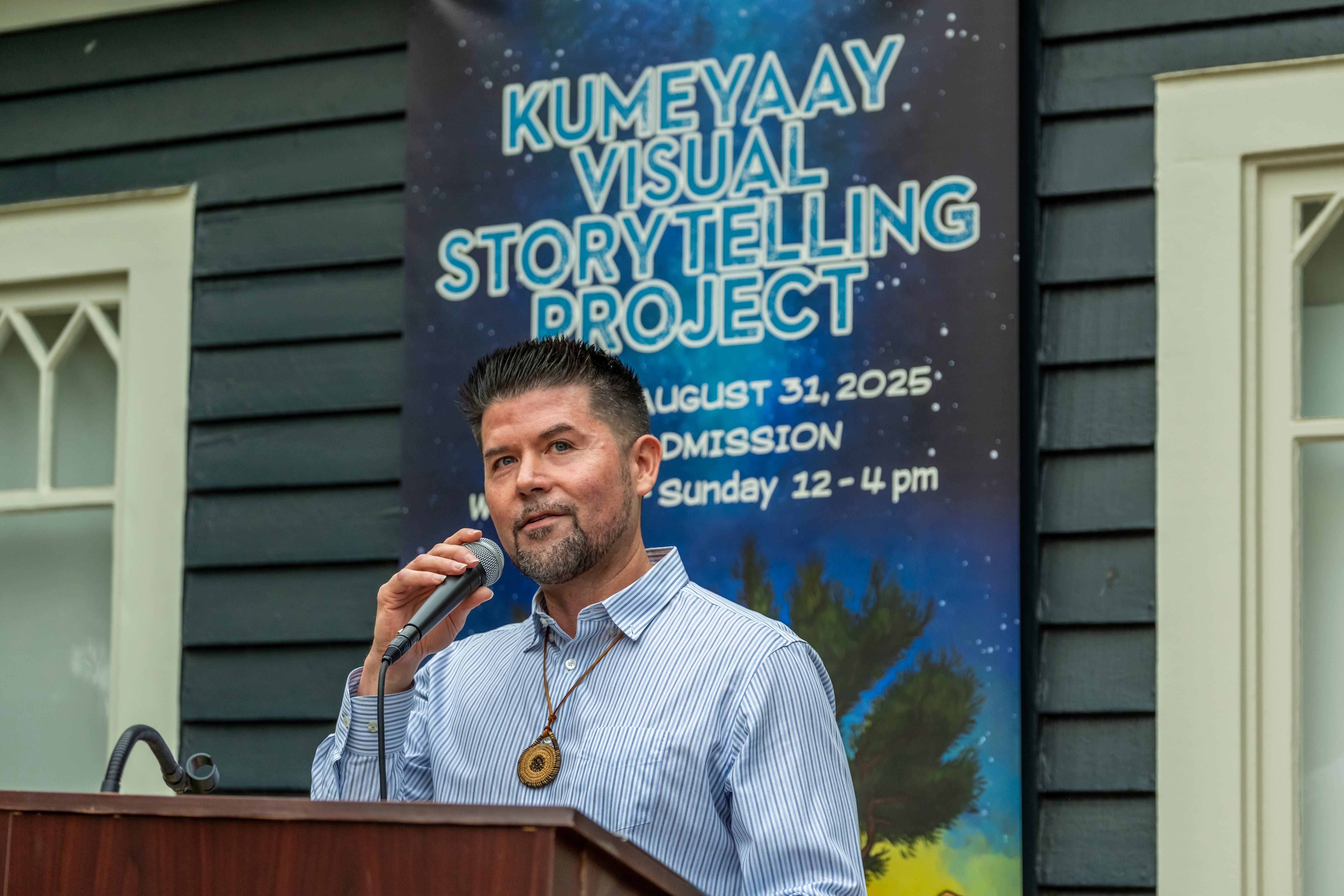
Today we’d like to introduce you to Ethan Banegas.
Hi Ethan, can you start by introducing yourself? We’d love to learn more about how you got to where you are today?
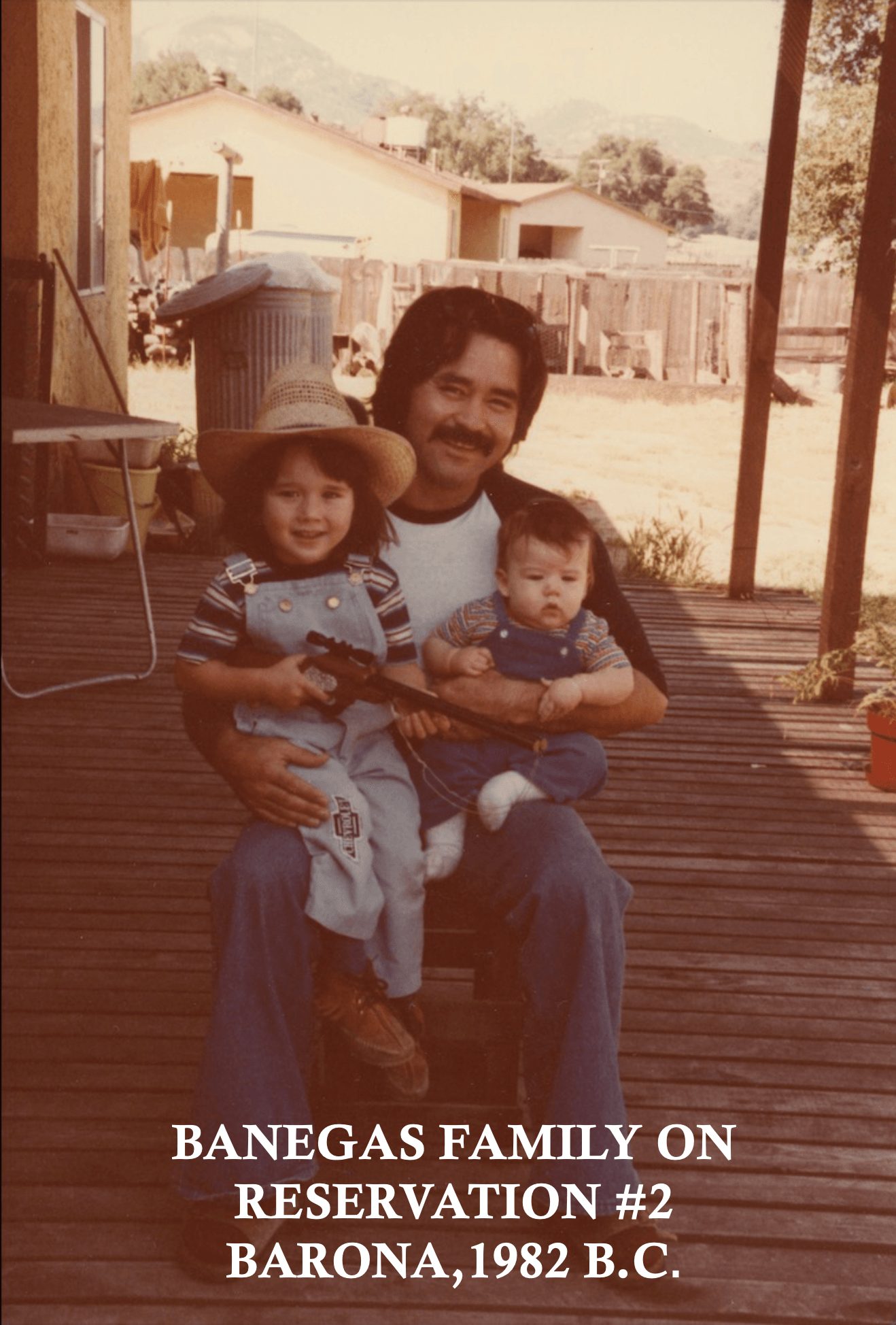
As I near middle age and watch my two children experience their childhood, I reflect on the good times and fondest memories in my childhood home. Life on the Barona Reservation in East County San Diego was simple before casinos, a stark contrast to life on the reservation today. We owned a few toys, the latest video game systems like Atari, Nintendo, and Sega Genesis, a color TV with twelve channels (with nothing on), and there was no internet. With one foot still in the analog age and the other foot in the digital age, there was only so much my brother, Brandon, and I could do indoors. So, we spent most of our time outdoors, exploring 5,900 acres of land my great-grandmother, Lenora Wypooke Phoenix Banegas, purchased with thirty-seven other founding members of Barona in 1932 for $75,000.
If you grew up on the Barona Reservation in the ‘80s, you were immersed in pow wow culture. Often, the Barona Little Hawks dance troupe would practice dancing in our unassuming gymnasium at the center of the reservation. Every now and then I would practice two-step dancing in the dance circle with friends and cousins, but pow wow dancing was not as serious for me as it was for my brother, who danced competitively in the pow wow circuit. For me, the pow wow was a time to gather within my community, eat great Indian tacos, play football, ride dirt bikes, and watch the grand entry on Friday night and the competitive dances on Saturday and Sunday nights. On Sunday night after the pow wow concluded, most of the young people, and some older people, would gather for the after-party known as “the 49.” We would mingle and stay up until the first break of sunlight, listening to drummers play traditional songs from the Great Plains and cracking jokes about each other; and then the pow wow was over. Those were some of the best times of my life. Every Labor Day weekend seemed to fly by like a warm summer breeze, leaving behind only fond memories.
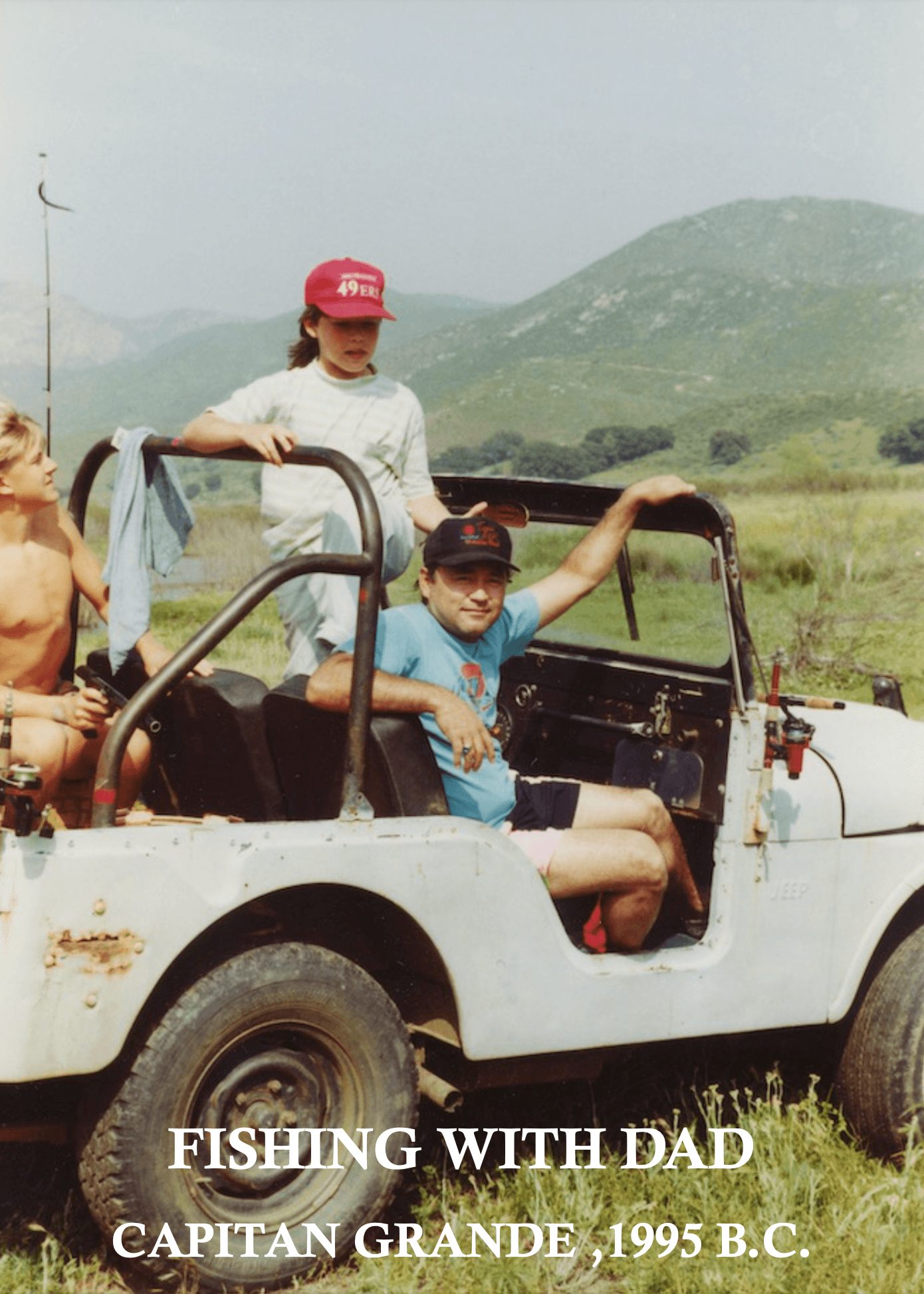
Other times in my childhood when I participated in Native culture was when my father would take me along to sweat lodge ceremonies. Of the three sweat lodge ceremonies I was fortunate to participate in, the one I remember most was when I was fifteen. My father was good friends with a Diné/Navajo medicine person, Larry Emerson, who held a Fire Ceremony in the winter of 1996 on the Viejas Reservation. My dad brought me to participate in the ceremony, and we joined a few other people I had never seen before. After pouring water on hot lava rocks to create steam, the intense heat surrounded us for over an hour, allowing me to focus only on what was directly front of me. As my body baked on the hot dirt and my mind homed in on the fire, smoke, and Larry’s voice, every other thought faded away. Larry’s gift allowed him to see visions of symbolic images in the fire and after burning tobacco, sage, and other medicinal plants, he carried a message for each participant. The message Larry saw for me was the symbol of an animal pointing in one of the four directions. In response, he suggested that I should make something to commemorate my ceremony and honor my totem. More importantly, he advised me to correct a specific type of behavior and follow my ancestors’ ways. After the ceremony concluded, I carried with me a renewed sense of purpose and connection to the earth.
The people and places of EAST COUNTY SAN DIEGO continue to shape and develop my character and define who I am today. I was born on the Barona Indian Reservation, and all my family homes were located in East County San Diego. Years after my parents separated my mother married my stepfather, Steve Kobler, and he had two children, Damien and Melissa, from a previous marriage. I am deeply grateful for my stepfamily and spent most of my childhood with them off the reservation. When I wasn’t at my father’s home in Barona, I lived in Lakeside, Alpine, and El Cajon with my mother and stepfamily. At an early age, I was successful in grade school (Dehesa School and Meridian Elementary), but my drive faltered in middle school (Montgomery Middle School and Terra Del Sol) and high school (El Capitan, Barona Charter School, Granite Hills). I ended up dropping out to study for my GED test and received my GED on my 18th birthday. I immediately enrolled in Cuyamaca Community College while my peers were still in high school.
I excelled my first semester in college and awarded the Outstanding Student Award for Fall 1999 academic year from my English teacher. I was shocked! But looking back now it must have been apparent to my professor that I had a great passion for learning. Life in college was drastically different than high school and my early experience in community college changed my perspective on education. I remember feeling a sense of freedom of expression to explore my own ideas that middle and high school failed to provide.
After two semesters at Cuyamaca Community College I decided to enroll in a very small Christian college, Bryn Athyn, which is located about an hour east of Philadelphia, Pennsylvania. My Uncle Peter encouraged me to apply to his alma mater and to my great surprise (I was a high school dropout) I was accepted in 2000. In the summer, I traveled across country for my first time to my uncle’s flat in Manhattan and we drove to Pennsylvania together. I credit my Uncle Peter for helping me when it mattered most because I had very little help early on in my education. I attended Bryn Athyn for one year and reached new heights both academically and spiritually. Significantly, I became a firm believer in Christianity after a long period of unbelief.
After Bryn Athyn, I wanted to find another college that was both closer to home and Christian-based. I toured Point Loma of Nazarene University and the University of San Diego with my father, Larry Banegas, and fell in love with the campus at USD. The campus was beautiful and looked like a perfectly designed garden with a large Spanish-style cathedral in the middle of it. Also, I was impressed with the people I met there. I was fortunate to have my father with me that day because he was a charismatic speaker and very likable person. I credit my father for helping me get accepted to USD because he made a superb impression on the admissions office. We spoke directly to Senior Admissions Officer, Pam Reynolds, and I could tell after our conversation that she was going to help me as much as possible. Also, a letter from my favorite professor, Dr. Ray Silverman, at Bryn Athyn was instrumental in granting my admission to USD. Dr. Silverman’s letter reads, “There is no doubt in my mind that Ethan’s desire to continue his studies at the University of San Diego is a sincere and mature one, based on a blind desire to follow the crowd, but rather upon a deep inner calling to deepen his understanding of truth.” At this point in my life my sole purpose was to study theology and become a pastor like my grandfather on my mother’s side, Kenneth Knox. I learned over the years that my grandfathers’ choice was his calling and soon found myself exploring other career pathways.
I fell in love with history because of a brilliant professor at USD, Dr. Kenneth Serbin, who taught a course called, “Big History: From Cosmos to Cannibals.” Prof. Serbin’s course went from the Big Bang to the world’s first civilizations and absolutely blew my mind. I immediately added a second major. After 9/11 and the U.S. invasion of Iraq (Gulf War II), I decided to add a third major, political science. I was deeply disturbed at how our government lied to the American people – there were no weapons of mass destruction – and I wanted to learn how systems of power work. It was important for me to learn how information is distilled, and how false narratives shaped to influence people. In addition, my father and brother were both tribal leaders and I was directly and indirectly involved in tribal politics my entire life. My father was on tribal council when I was an infant, and he helped lay the foundation for Barona’s first tribal gaming operation. After my father left the council, and following the very first tribal government gaming operation by the Florida Seminoles in December 1979, Barona made history and opened the first high-stakes bingo operation on the West Coast, April 15, 1983.
I studied abroad three times: 1) Guadalajara, Mexico 2) Oxford, England and 3) Madrid, Spain. However, Oxford made the greatest impression on me because of the deep-rich history and superb academic environment. My dorm was built in the 1600s and part of a manor during the Feudal Age. It was like living inside a history book! Also, this was the land of my English and Scottish ancestors, which gave me a chance to connect with my mother’s ancestors and learn how they lived, and who they were. While at Oxford, I studied a bit of history but mostly theology, philosophy, and religious belief from an outstanding professor, Dr. Brian Clack. Professor Clack introduced me to the writings of the most well-known skeptics (atheists), and he wrote a thought-provoking book on atheism based on the philosophy of Wittgenstein. While at Oxford, I wrote a small book that contained several papers on atheism, my religious experiences, and why I believe in God. Unfortunately, I no longer have a copy of this book because my computer was stolen.
It was important for me to live in England for another reason. As a youth, growing up on the res I would often deny my English/Scottish heritage. I wanted to fit in with my community and it wasn’t easy being the lightest person and surrounded by folks who don’t look exactly like you. Of course, I have some Kumeyaay features that are carbon copies of my father’s physical features. My head, legs, and other features are clearly from my father. However, unless you were familiar with what Kumeyaay people look like you wouldn’t know these were Kumeyaay features. Many people just see the color of my eyes and my skin color and look confused when I tell them I’m Native American. It is important to know your fractions when you are Native American. I am 1/3 to be exact and a descendant of the Kumeyaay, Luiseño/Payómkawichum, and Cupeño/ Kuupangaxwichem bands of Native Americans. What is more, after living in five different countries (Korea, Haiti, Spain, Mexico, and England) I began to see myself as a global citizen and my journey taught me to embrace and know all my ancestors.
Would you say it’s been a smooth road, and if not what are some of the biggest challenges you’ve faced along the way?
Though I had an advantage because my father was the very first Kumeyaay person to receive a master’s degree, there were very few mentors in my community to guide me through the pitfalls and obstacles of higher education. I hit many dead ends and wound up wasting many years searching for my career. First, I wanted to enter psychology because of my experience as a youth, then theology, then politics, and finally landed on history because no one else was doing it in my generation. The only Kumeyaay historians at the turn of the century were much older than I or not of Kumeyaay descent.
I wrote my undergraduate history thesis on a brief history of the Kumeyaay people that took the reader on a short journey – it was only 30 pages – from creation to casinos. I remember going to the archives of the San Diego History Center in Balboa Park to request primary documents that would help me write my history paper on my ancestors. The woman who was helping me took my ticket and went to the back rooms where she retrieved a banker’s box with newspaper clipping and other documents. I realized after 30 minutes that though there were several documents that mentioned my people, the box was practically empty with anything of substance that I could use for my history thesis. I did the best I could to write Kumeyaay history as an undergraduate with few primary resources. In this moment, I realized “someone” must go into the Kumeyaay community and collect our stories. That someone was me.
After completing my history thesis paper, I wrote another thesis paper on politics and religion (Thomas Aquinas juxtaposed with Niccolo Machiavelli) and graduated with three majors, history, theology and religious studies, and political science in 2009.
After my children were born, I decided to pursue my master’s degree at USD to become a historian and professor. My decision to become a Kumeyaay historian was inspired by my internship at the San Diego History Center in Fall of 2015. Iris Engstrand, my professor and mentor at the time, suggested that I do an internship to fulfill credits at the University of San Diego for my Master of the Arts in History program. My expectations were neither too big nor small, because I could not imagine what the SDHC had in store for me. To my great surprise, I was placed with Chris Travers and commissioned to identify people and things in the Edward H. Davis collection for a mandated 125 hours. This would entail going to the eldest members of my tribe, the Barona Band of Mission Indians, and one elder from Sycuan.
If I could describe this experience in one phrase it would be “life changing.” It was amazing what I learned from Kumeyaay elders about how things were in their youth and the stories they were told by their elders at the time. Although I was very successful in identifying people and things in the Davis Collection, what touched me more was everything else Kumeyaay elders told me about their lives. For instance, my uncle “Boxie” Phoenix told me how there once an adobe brick was making “factory” behind the old Barona Tribal office. Mr. Phoenix explained that the house he lived in was constructed of these adobe bricks and built by Uncle Boxie himself. Another story that continues to have a great impact on my life was told by Josephine “Sister” Romero, who is 91 years-old and the eldest member of Barona. Mrs. Romero had a great memory and had many interesting things to share with me. For instance, she had great information about Yellow Sky, one of the more prominent figures in the Davis Collection.
My journey at the San Diego History Center came full circle when I returned to USD to pursue my graduate degree. This time around I returned to the San Diego History Center with a greater purpose. During my undergraduate studies, I found an “empty” box of papers that could barely help me write my undergraduate thesis paper. Now, the box at the History Center is full of stories from our elders and knowledge carriers through the Kumeyaay Oral History Project available to everyone for free.
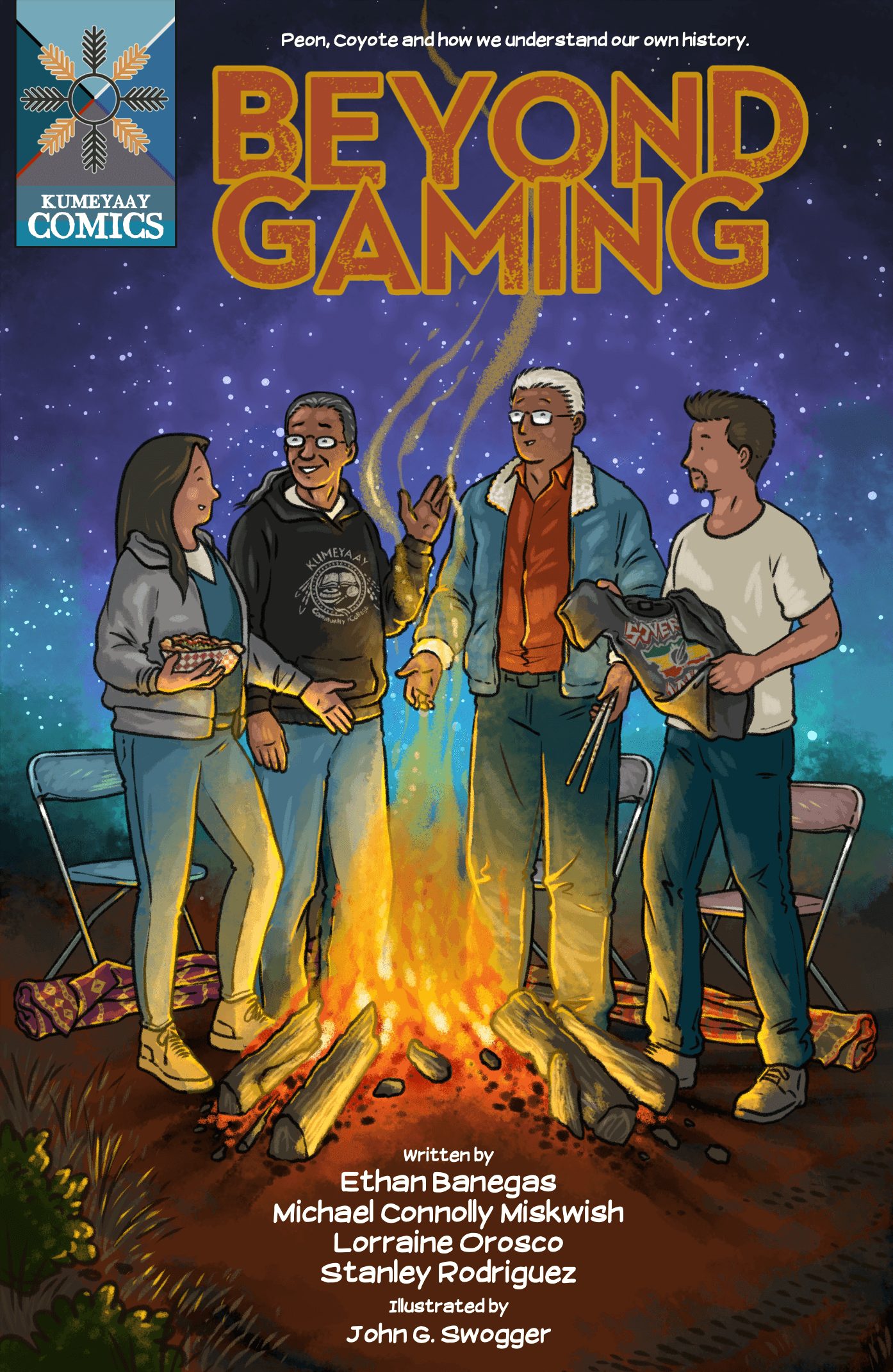
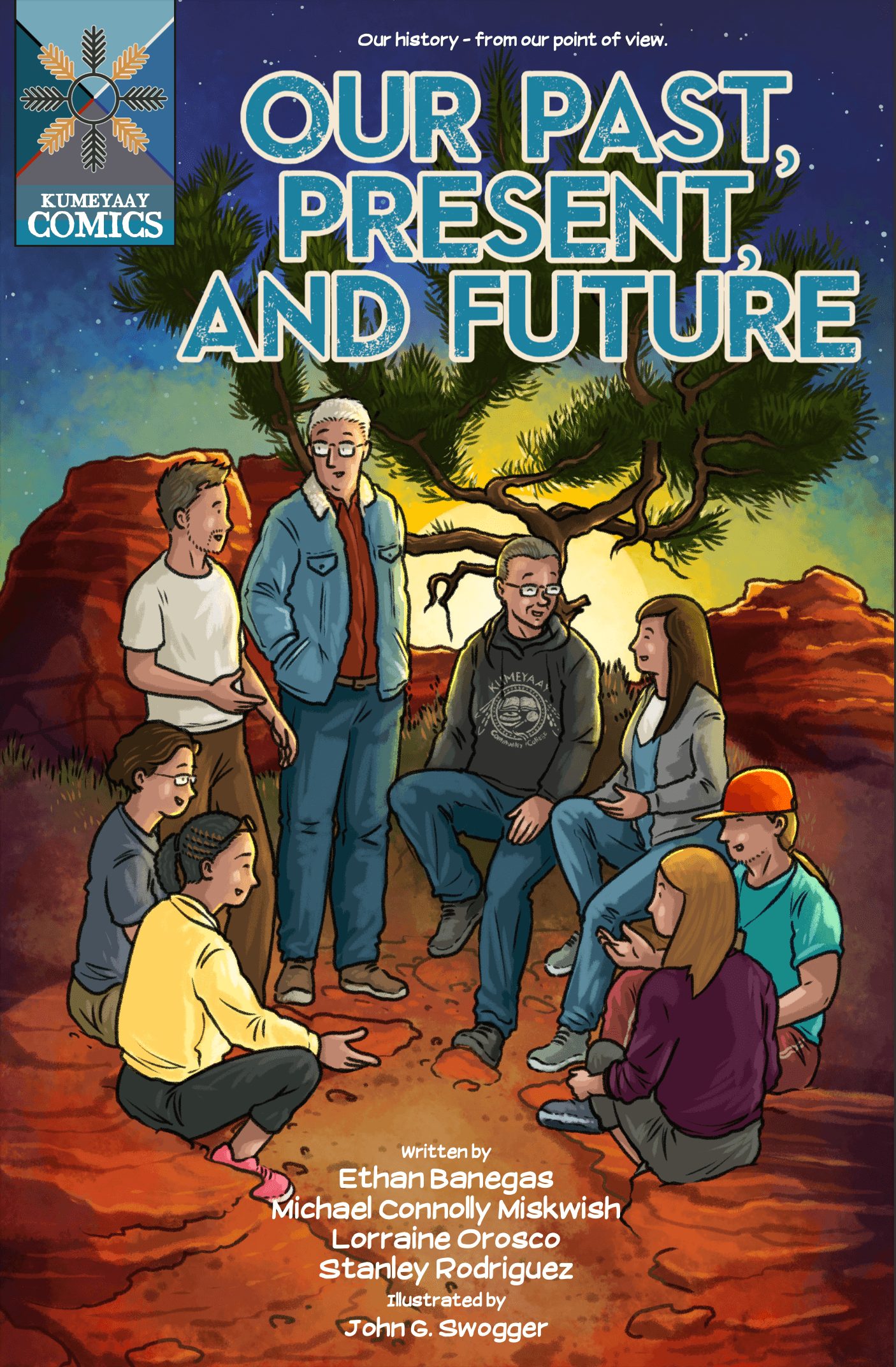
Kumeyaay comics – Beyond Gaming | Our Past, Present, and Future – are also available to the public at no cost on Weebly (kumeyaayvsp.weebly.com) or you can find a link on my website, Kumeyaay.com. If you want hardcopies, please contact Tribal Print Source. They are located on the Pala Reservation and for small orders the buyer will pay $10 plus $3 shipping and handling. If you plan on purchasing comics in bulk the price goes down significantly.
Can you tell our readers more about what you do and what you think sets you apart from others?
I began specializing in Kumeyaay history over two decades out of a desire to learn from my ancestors and pass my knowledge to the next generation. I am known for my oral history work with 33 elders and knowledge carriers on the Kumeyaay Oral History Project, which was published by the San Diego History Center in 2022. I am also known for my work as a college professor. My career began 8 years ago at the Kumeyaay Community College (KCC) and I’m going on my 4th year at San Diego State University. I teach Indian history, Indian gaming, and federal Indian law to over 600 students a year and I love my job!
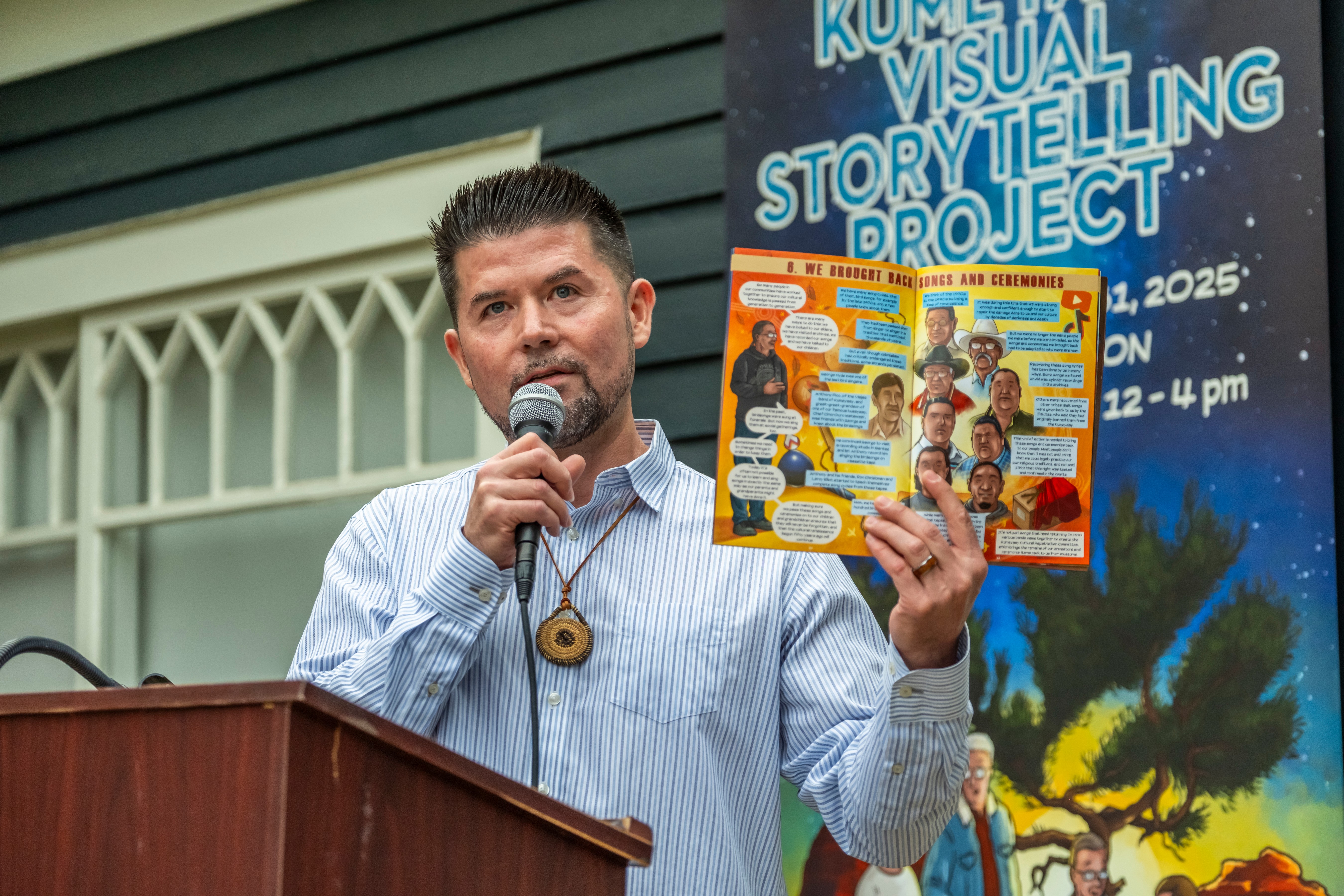
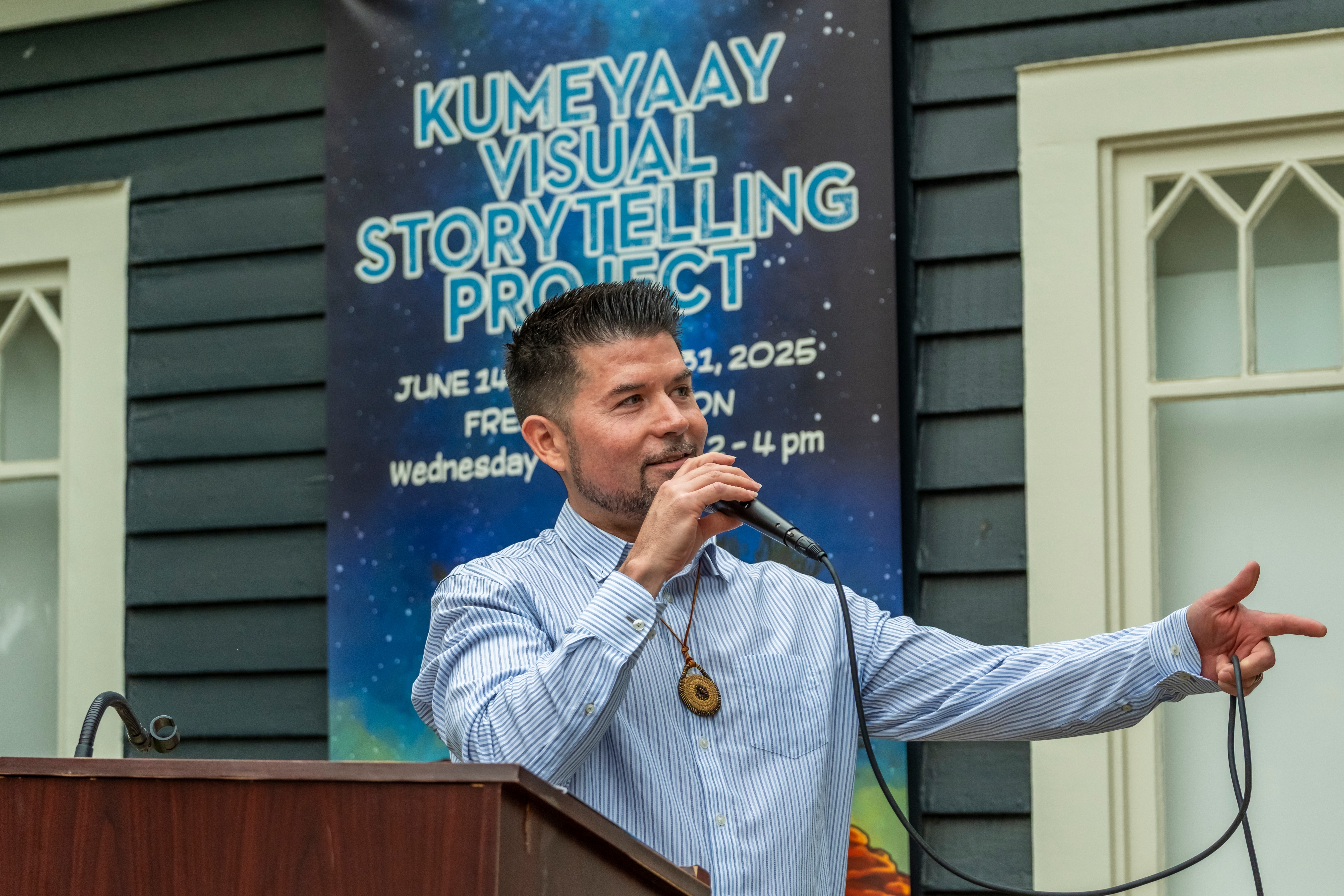
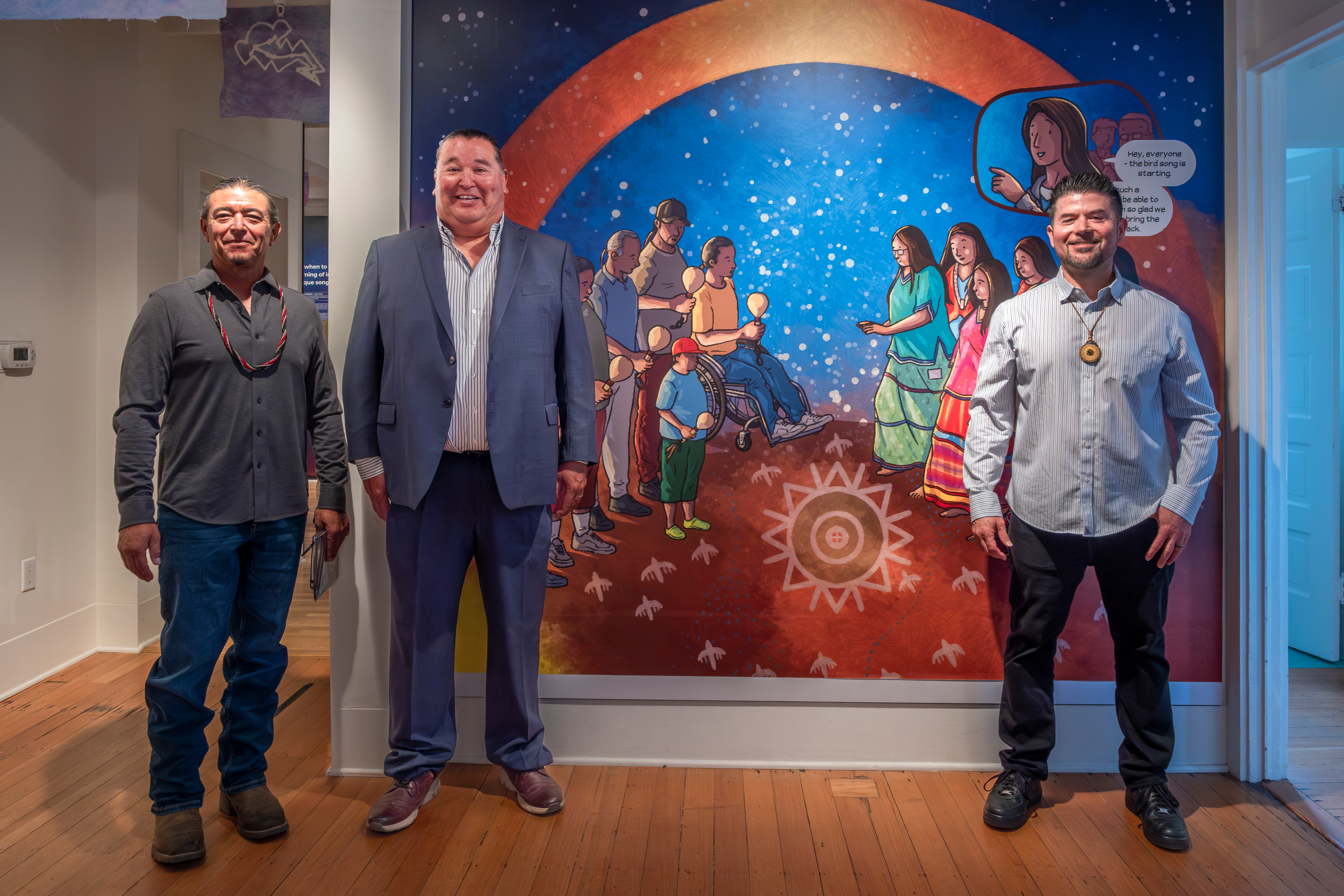
In 2021, I began working on the Kumeyaay Visual Storytelling Project (KVSP) during the COVID pandemic. This is a community-based project to tell history from the perspective of members of the Kumeyaay Nation through comics. In 2024, we published two comics – Beyond Gaming | Our Past, Present, and Future – and there are two parts to this 44-page comic. Beyond Gaming is a walk through a community gathering with tribal historians (Stan Rodriguez, Micheal Miskwish Connolly, Lorraine Orosco, and myself) and our Past, Present, and Future is series of two-page spreads telling history from the Kumeyaay perspective.
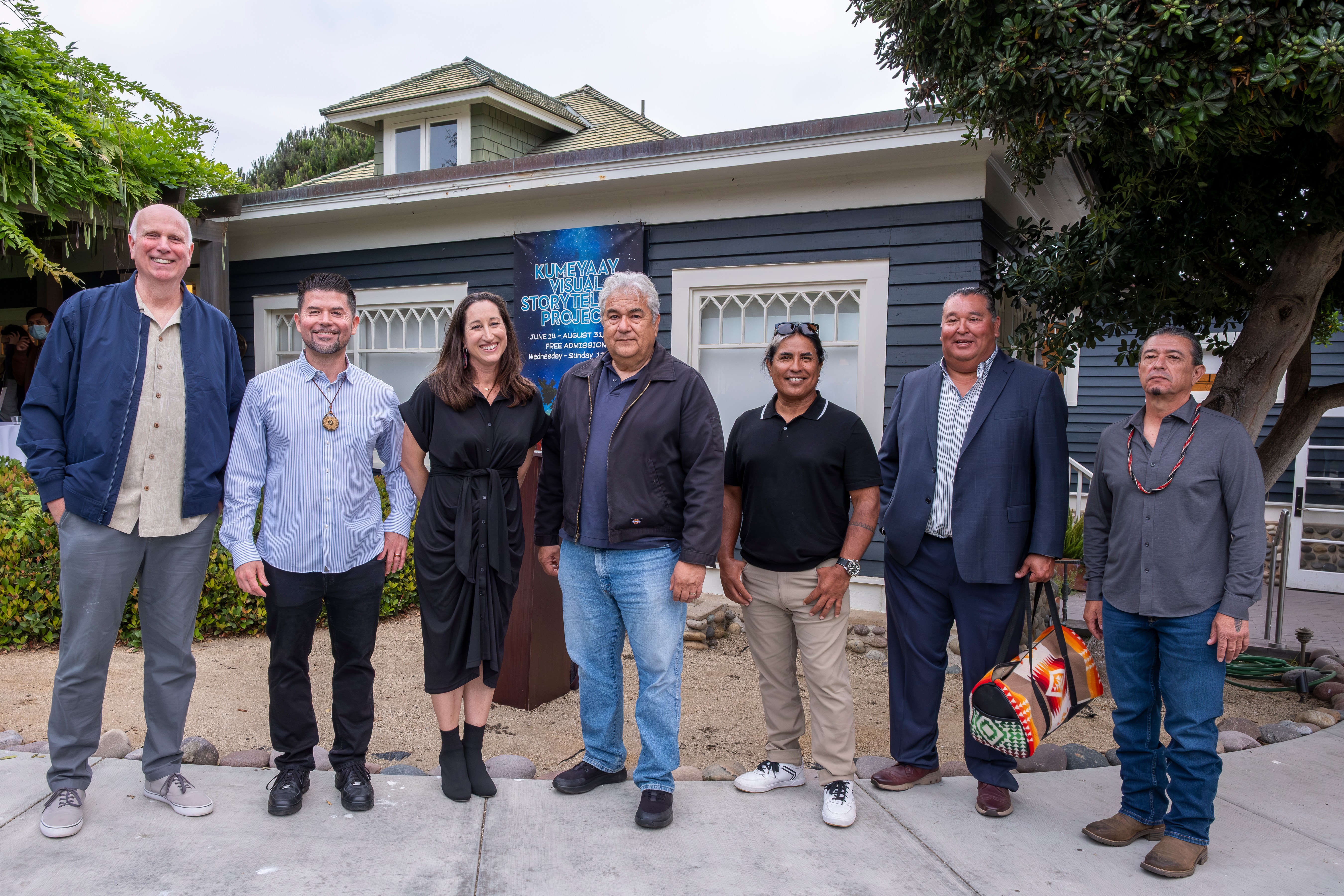
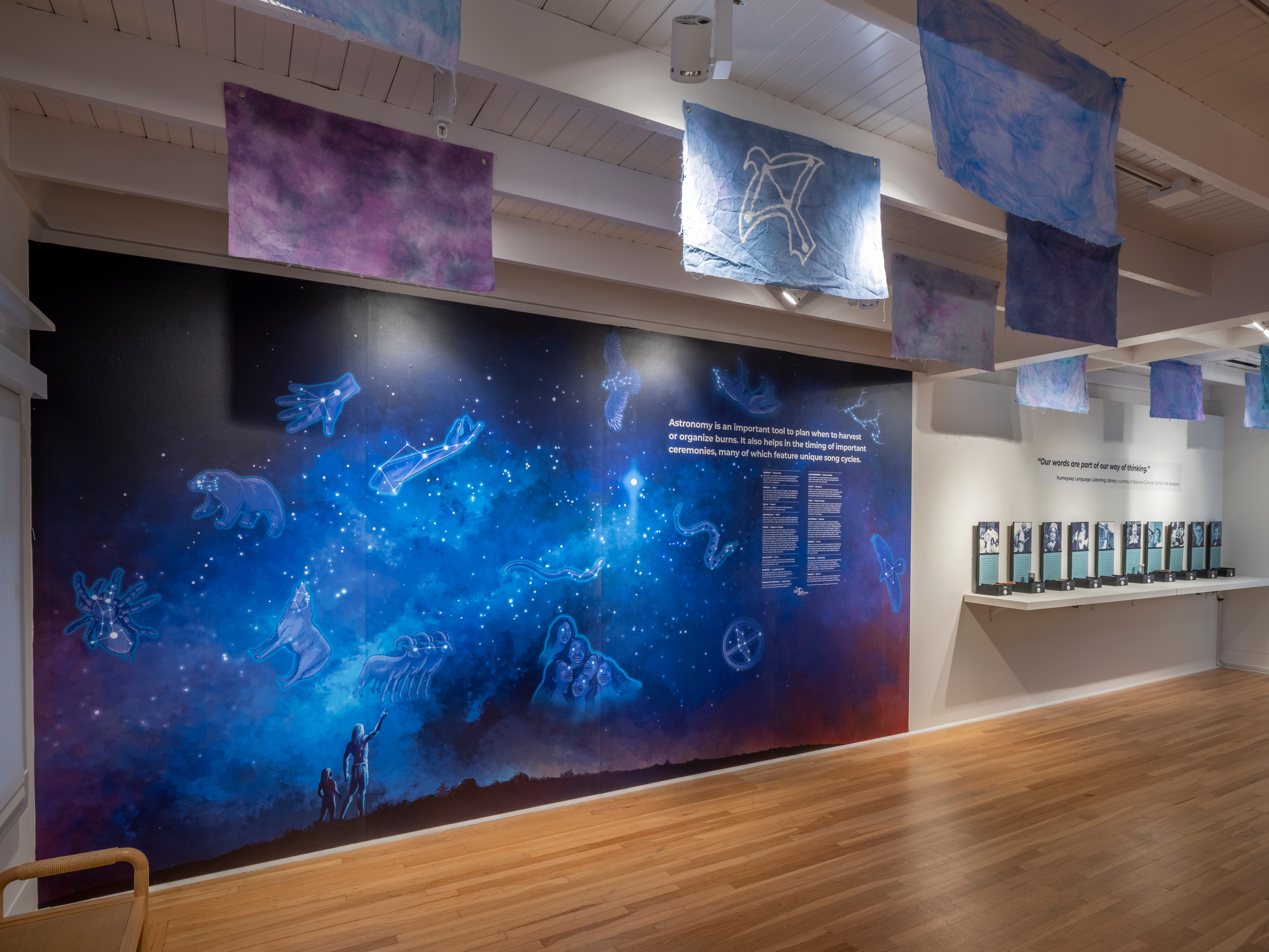
This summer the KVS team partnered with the La Jolla Historical Society (LJHS) to showcase our comics in an exhibition that will run from June 13 to August 31st. This immersive exhibition invites the viewer to step inside our comic to explore a unique history and culture in greater detail. The audience will see how the comics were made through a series of taped interviews and meet the team members who made this project possible.
Is there anyone you’d like to thank or give credit to?
First and foremost, my grandfather on my mother’s side is my greatest inspiration and biggest hero. He was born in England, of Scottish and English descent, and moved to Canada where he met my grandmother, Marjorie Knox. During WWII, he was eager to serve and joined the Royal Canadian Air Force as a young man. He flew 36 missions as navigator of a Halifax bomber and witnessed the horrors of war firsthand. Many people in that situation make a deal with God and promise to give their life to Him if they survive, but few make good on that promise once they return to civilian life. My grandmother would say to my mother that my grandfather left a soldier and returned a preacher. And that is what he did. He applied to theology school at the New Church. The New Church is a protestant branch of Christianity founded on the writings of Emmanuel Swedenborg. After theology school he became head pastor at the famous glass church in Long Beach, Wayfarers Chapel. He was married to my grandmother for 70+ years and lived a life according to the Bible. As an adult, I learned more about his life from two books he wrote on his life and spiritual beliefs and wanted to follow in his footsteps.
When I was 18, I applied and was accepted to the New Church in Bryn Athyn, Pennsylvania, and it was there I met Dr. Ray Silverman who taught me the basics of the New Church and the Bible. I was an atheist up to that point and believed Christianity and religion in general was a tool for social control. I subscribed to what Karl Marx said about all religion, it is “the opiate of the masses.” However, what made it possible for me to believe was that I met people like Ray Silverman who was the most loving, joyful, kind, and intelligent person I had ever met. Silverman and my grandfather were people I wanted to emulate as I grew into an adult, and they continue to inspire me to rise above my circumstances and live for something greater than myself.
I give credit to my family and especially my parents and several community members who taught me our history, culture, and how to live a good life. Especially those who led by example! All the elders who decided to share their story with me. This was a big ask to open up to me! You changed my life, and I am so grateful that you let me record your story for posterity. I would like to thank all my professors, especially the great ones! You showed me that
a career in education requires great sacrifice. It is a lifestyle! And, finally, I would like to thank my beautiful wife and two amazing children. This one is for you!
Pricing:
- $10 per comic is average
Contact Info:
- Website: https://Kumeyaay.com
Popular
-

Gina Gerrato Greenhaus on Early Intervention, Intentional Planning, and Redefining What Makes Students Stand Out
-
Desiree Borja on Reframing ADHD, Embracing Neurodivergent Strengths, and Using AI as a Tool for Equity
-

San Diego’s Most Inspiring Stories
-

Hidden Gems: Local Businesses & Creatives You Should Know

