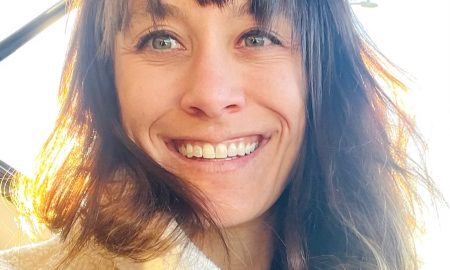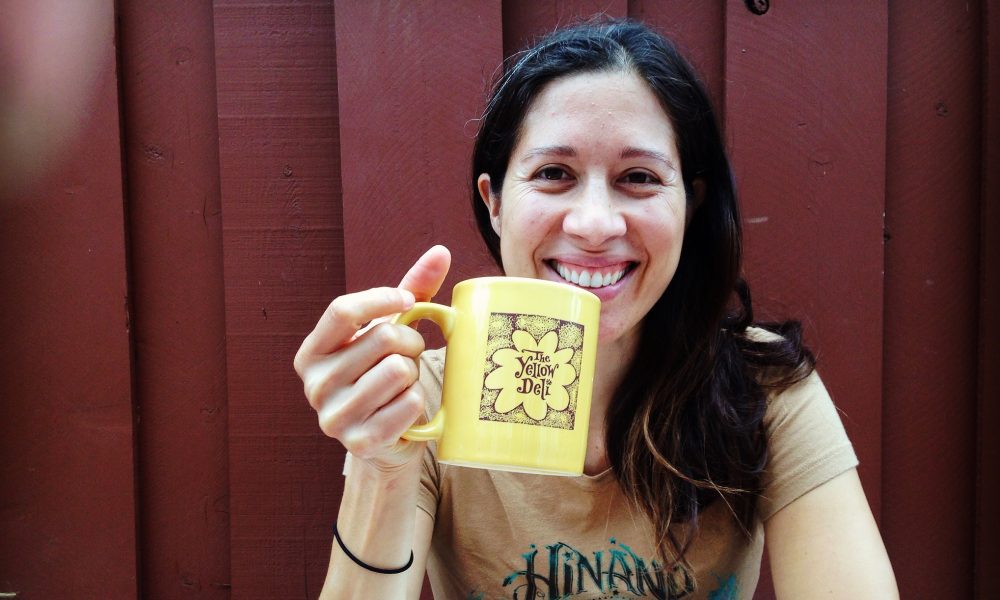
Today we’d like to introduce you to Monique Minahan.
Monique, can you briefly walk us through your story – how you started and how you got to where you are today.
I struggled with major depression starting in my teens. When I was 25 my husband, Nathan, died unexpectedly, and things really took a turn for the worst. I grew up in a family that spoke about death freely, but grief not so much. I grew up in a society that treats grief like it’s an illness. Something to get over as quickly as possible. I was treated as though something was wrong with me and avoided as if it was contagious. Even though people tried to support me, I felt very unsupported in my experience of grief.
Nothing could reach or connect with me. I began to isolate myself. I left the religion I was raised with, lost my entire community and network of friends and contemplated suicide numerous times.
It was five years until I felt a sense of peace around my husband dying and my living. I had stumbled upon a CD with a “body scan” meditation. It was the first time I felt like I came home to me, just as I was. It wasn’t where I wanted to be and it wasn’t who I wanted to be, but from here I could see the next step forward. And then the one after that and the one after that. This led me to try yoga for the first time. It didn’t take long for me to realize there was a direct correlation between my yoga practice and my moving from surviving to (eventually) thriving.
I started to wonder, what was happening in my yoga practice once or twice a week that didn’t happen in my ten years on antidepressants and my years in talk therapy?
After becoming a yoga teacher in 2013, I started exploring emotions in the body, grief in the body, and trauma in the body, determined to understand better what was happening in yoga that was so life-changing for me. The things I learned became like pieces of a puzzle, each one linking one question to another. Slowly I started to see the bigger picture of grief in the body and how a bottom-up, body-based practice like yoga was useful to me when a top-down, cognitive approach like talk therapy wasn’t.
I remarried in 2010 to an amazing man, Ted. With his love and support, I found the strength to start writing and speaking about my grief publicly and finding ways to support other humans on their path.
One of those ways was finding a way to offer yoga to people who were grieving without it being used to try to “fix” them. I wanted to make a space where people could move into, with, and through their grief in a safe and supported way. A grief-focused yoga practice that acknowledged where and how emotions lodge themselves in our bodies and that honored the innate healing ability of every human being and every human body.
Many of the approaches to grief I saw were about trying to make people feel better or get them to make something positive or spiritual out of their grief. That’s not my goal at all. Sometimes that happens and it’s wonderful. More often people just need to be accompanied on their journey and allowed to honor however their grief shifts and changes throughout their life, whether that’s for better or worse.
In 2016 I began teaching weekly grief yoga classes hosted at a local hospice center.
Working with people who were weeks or months out of tremendous loss really helped me refine the way I offer yoga to humans who are grieving. This year I’ve transitioned to offering The Grief Practice workshops to make the information more accessible.
I have this core belief that I am here to do what I can with what I have. Right now I have a wonderfully supportive family made up of my husband, our wild 4-year-old and 10-year-old dog. I have an intimate understanding of emotional pain, grief, isolation, depression, and an appreciation for how having resources and community can be the difference between an unsupported experience of grief and a supported one.
Has it been a smooth road?
The hardest part about creating a space for and giving a voice to grief is that most of us don’t want to hear or see it. We have a hard time sitting with our own discomfort and pain, which makes it nearly impossible to sit with other people who are in discomfort and pain. As a society we aren’t very comfortable with being uncomfortable, which contributes to the isolation many people feel when grieving.
The other part of the grief yoga project has been collecting unfiltered stories of loss to be included in the book. I started the project with a partner. Over a year into our co-creation, she chose a different path, and I was faced with the daunting situation of being very invested in a project and now having to revamp and carry it solo.
Thankfully I’ve also encountered amazing and generous hearts along this path that have not only supported my heart and projects, but also helped me find ways to tangibly offer grief-focused yoga and do my part in shifting the stigma around grief.
So, as you know, we’re impressed with The Grief Yoga Practice – tell our readers more, for example what you’re most proud of as a company and what sets you apart from others.
I teach grief-specific, trauma-informed yoga to groups and individuals. I have created a yoga workshop for professionals who are giving back to grief to support them in the work they do. People like therapists, doctors, nurses, and caregivers working directly with grief or palliative care.
The Grief Yoga Practice weaves scientific and traditional approaches to how the body holds grief and old and new traditions of yoga with trauma-informed anchoring practices and sequencing informed by the intelligence of body biomechanics.
Students learn how to find resources in their bodies to anchor their attention to so they can move and be moved without fear of becoming overwhelmed with sensation or emotion because moving our bodies move our emotions.
The intention is not to fix, but to create space and awareness for grief to move in and to move out. To find the pockets of love hiding behind the hurt. To nurture a harmonious sense of being full of life and full of loss.
Let’s touch on your thoughts about our city – what do you like the most and least?
I moved to San Diego when I was 19 years old. I’ve lived here more than 20 years at this point. I love how each pocket of San Diego has a unique feel and how a lot of areas still have a small-town feel to them.
Living in such a beautiful place it can be easy to tune out of the suffering of the world and take for granted the beauty, ease and abundance we experience living here. It takes real effort to stay awake and connected to what’s happening in other places in the world and how we might be able to help in even the smallest way.
Contact Info:
- Website: www.moniqueminahan.com
- Email: thegriefpractice@gmail.com
- Instagram: instagram.com/thegriefpractice
- Facebook: www.facebook.com/profile.php?id=100009288690418
- Twitter: www.twitter.com/mominahan
- Other: www.thegriefpractice.com


Getting in touch: SDVoyager is built on recommendations from the community; it’s how we uncover hidden gems, so if you know someone who deserves recognition please let us know here.