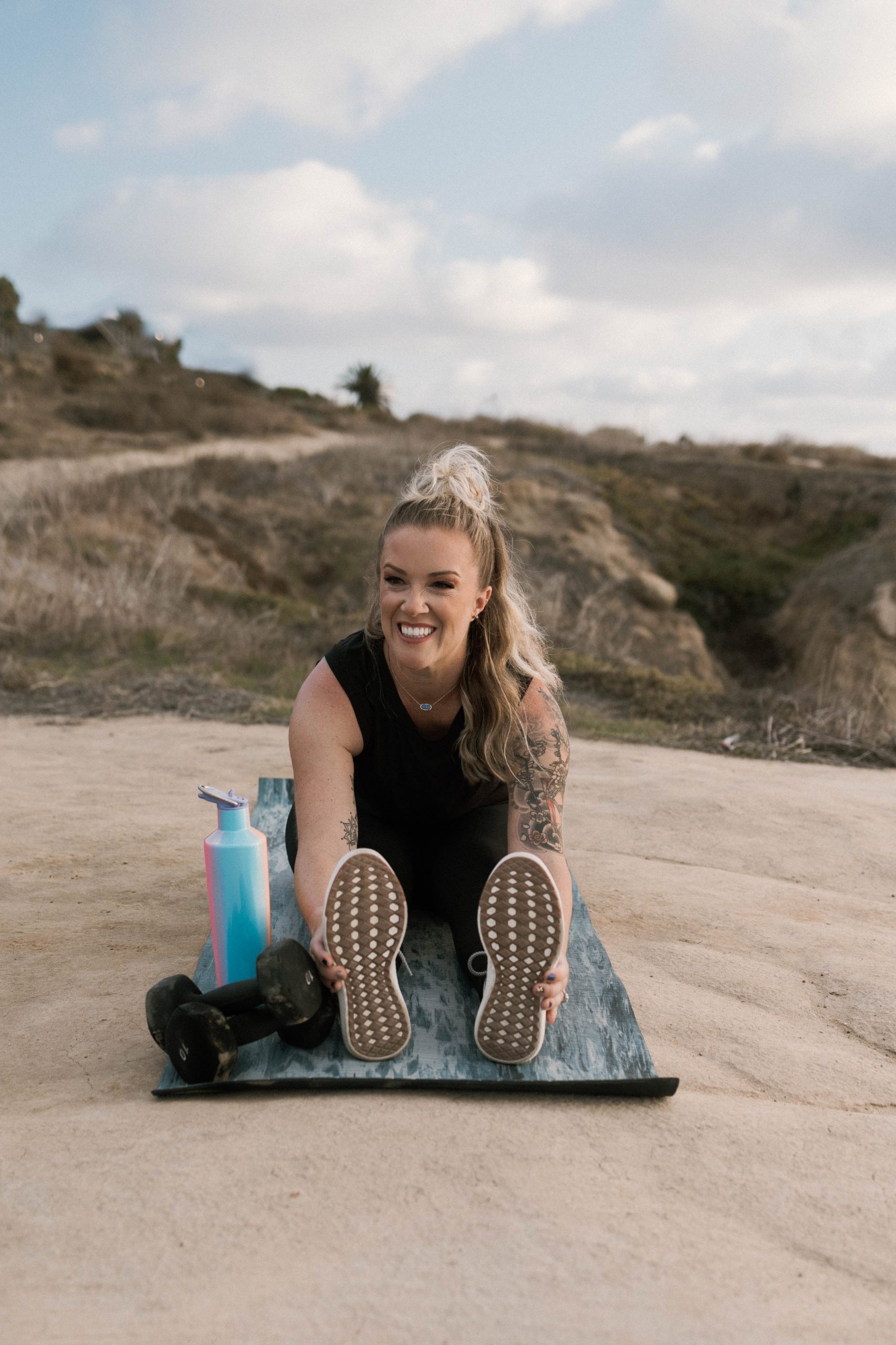
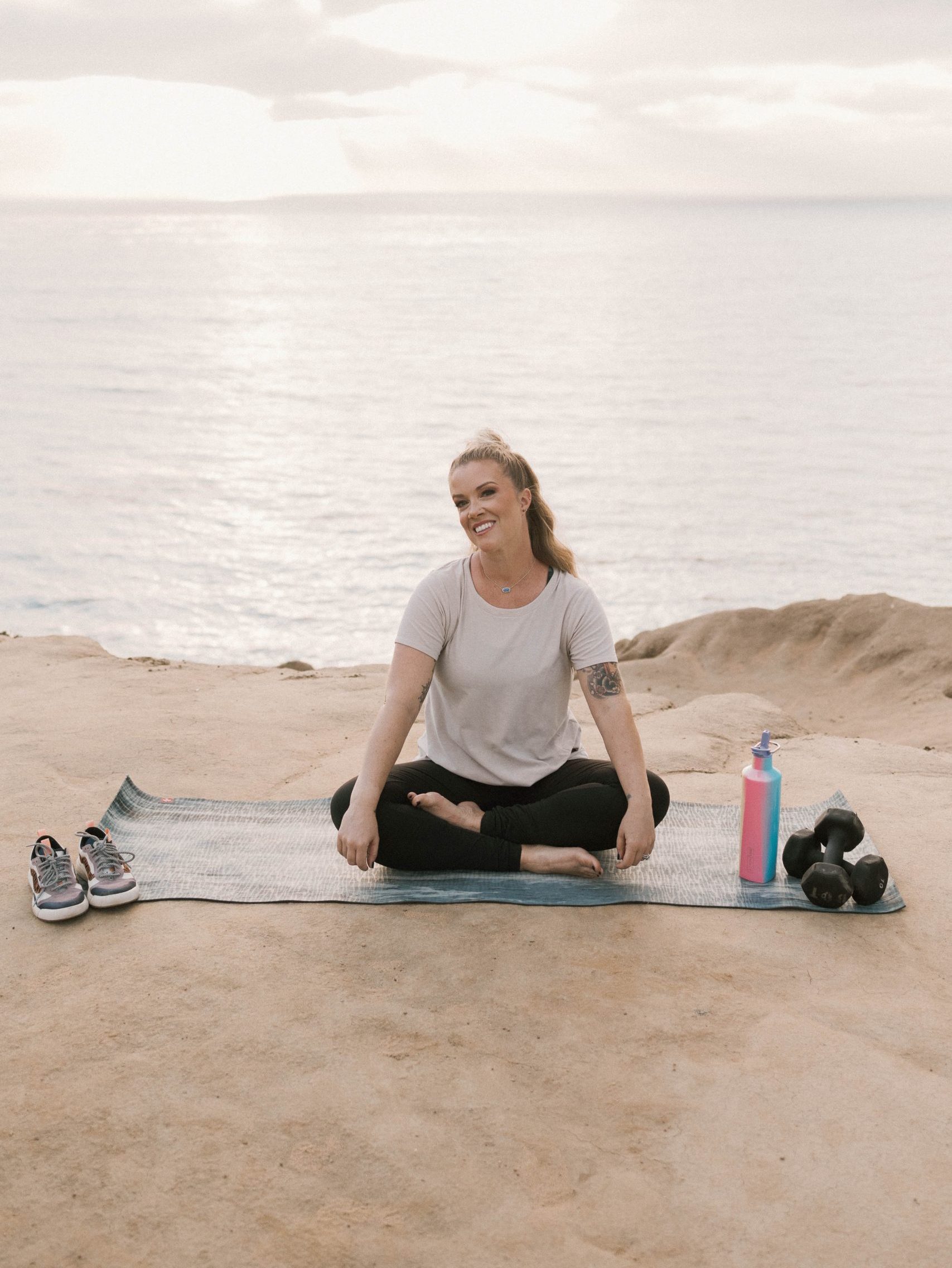
Lisa Peranzo’s approach to fitness isn’t about quick wins — it’s about creating habits that last. After years of blending coaching with training, she followed the natural shift in her community’s needs, building a platform that delivers clear, effective workouts alongside meaningful guidance. Through a flexible digital model, she removes barriers to entry while maintaining a strong sense of connection and support. By focusing on balance, accessibility, and consistency, Lisa empowers people to move beyond motivation and build a lifestyle that feels both achievable and sustainable.
Lisa, you made a significant pivot from health coaching back to training. What was the turning point that made you realize this is where you truly wanted to focus?
It really was a significant pivot, but honestly, it hasn’t felt that monumental to me—and I don’t think there was one specific moment that pushed me back toward focusing primarily on training. The truth is, I never actually stopped training. I simply added coaching as another layer of support I could offer.
During Covid, there was a clear shift in what people needed. Many were craving a more individualized, supportive approach, and with my background, it felt natural to step in and provide that. It was such a challenging and uncertain time, and I think people were looking for guidance that went beyond just workouts—they wanted accountability, connection, and someone to help them navigate it all.
As things started to open back up, though, I noticed another shift. People were returning to gyms and getting back into more structured routines, and their needs began to change. The focus moved away from coaching and more toward training. People didn’t want to spend time figuring out what to do when they walked into a workout—they wanted something clear, effective, and ready to go.
I also realized that many people in my community simply didn’t have the bandwidth to design their own workouts. They wanted the ease and confidence of following a plan created by someone they trust. It wasn’t an overnight change, but over time, I saw more and more requests for fitness routines and fewer for coaching support.
At the same time, the content and programs I was naturally creating started to reflect that shift. They leaned more into training, so I decided to follow that direction. At the end of the day, everything I do is in service to my community, so it makes sense to meet them where they are and give them what they’re asking for.
You’ve been in fitness since 2008. How has your philosophy around training and healthy living evolved over the years?
I think my philosophy around a healthy lifestyle has always stayed pretty consistent: it’s all about balance and sustainability. I’ve always said, I don’t really care what you can do one time—I care about what you can do consistently. It’s the habits you can repeat over and over that actually create lasting results, even if they take a little longer to build.
That said, as I’ve grown up in this industry, I’ve leaned into that philosophy even more. I’ve had the benefit of seeing so many trends and fads come and go—both in training and nutrition—and the reality is, most of them don’t last or aren’t effective long-term. That perspective has really reinforced my belief that simple, sustainable approaches will always win.
I also think my understanding of “healthy living” has become a lot more nuanced over the years. It’s not just about what you’re doing—it’s about why you’re doing it. To really create change, you have to take an honest look at the habits that may be contributing to an unhealthy lifestyle and be willing to dig deeper into the root causes behind them.
Once you start to recognize those patterns, you gain more control. You can catch yourself in those moments and make more intentional choices instead of just running on autopilot. It also helps you identify your true motivations for wanting to be healthy and find ways to strengthen those internal drivers.
From there, it becomes less about chasing motivation—which naturally comes and goes—and more about building discipline through consistent habits. When those habits are in place, you don’t have to rely on feeling motivated. You simply show up and do what you know works for you, and that’s where real, lasting change happens.
With Lisa Peranzo Fitness now under A Healthful Life, how do you balance guidance, education, and actual workouts in one membership experience?
When I made the decision to go back into training full-time and step away from a more formal coaching model, I knew people would still want some of the guidance and insight that comes with coaching—just not necessarily in that structured, one-on-one format.
Early on in my career, one of my mentors told me to always be ready to answer any kind of question—from where I got my outfit, to what I eat in a day, to how much alcohol I drink in a week. That always stuck with me, because it’s true—people are naturally curious when they see someone living in a way they aspire to. They don’t just want the workouts; they want the context and the lifestyle behind it, too.
So when I built out Lisa Peranzo Fitness, I wanted to create a way to offer both. I launched a Substack as a space to share coaching-style advice, education, and deeper insights—things that help people understand the “why” behind what they’re doing. Then, I kept the workouts as a separate component on YouTube, where people can easily follow along and stay consistent with their movement.
Both platforms offer free content, which was really important to me. I want people to be able to access support and get started no matter where they are. But for those who want a more complete and streamlined experience, the membership brings everything together. Members receive weekly emails that include their workouts along with the educational tips and guidance, all in one place.
It’s really about creating a balance—giving people clear, effective workouts while also providing the knowledge and support that helps them build a sustainable, healthy lifestyle.
The flexibility of a fully digital program is powerful. How are you helping clients stay consistent and motivated when working out on their own?
The flexibility of a fully digital program is incredibly powerful, but from the beginning, I knew accessibility still had to be a key part of the experience. I’ll never be the kind of trainer who just tells someone what to do and then disappears, leaving them to figure everything out on their own.
Yes, there’s a level of ownership on the client’s side—they have to use the tools and show up for themselves—but I make sure they’re supported along the way. I’m available for questions, guidance, and that extra layer of motivation when they need it.
I genuinely enjoy connecting with my community, and I think that’s where Lisa Peranzo Fitness really stands out. Even though I’m not physically in the room with them, they still have access to me. That connection helps bridge the gap that can sometimes come with digital programs.
At the end of the day, consistency and motivation come from feeling supported, understood, and confident in what you’re doing. My goal is to make sure my clients feel that every step of the way, even when they’re working out on their own.
You mentioned people can start for free, how does lowering that barrier change the way people approach their fitness journey?
I truly believe everyone deserves the opportunity to feel healthy and build a balanced lifestyle that works for them. Having been in this industry for so long, I’ve seen all sides of it—gyms, studios, wellness clubs, and even at-home fitness. I understand that there are real barriers people face, whether that’s financial, logistical, or even just personal hesitation about getting started.
When I created this program, I didn’t want those obstacles to stand in the way of someone taking that first step. Making parts of it accessible for free was really important to me, because it opens the door for people who might otherwise feel like fitness isn’t an option for them.
My hope is that lowering that barrier helps shift someone from thinking about starting to actually starting. A lot of times, it’s those outside circumstances—or even the story we tell ourselves about them—that hold us back. But once someone begins, even in a small way, they start to feel the benefits pretty quickly.
And from there, everything changes. They realize how good they feel, how manageable it can be to fit movement into their daily life, and how it doesn’t have to be overwhelming. More often than not, that’s when people look back and think, “Why didn’t I start sooner?”
Links:






 Maren Hoflund Is Expanding Holistic Healing Beyond the Treatment Room Through Education, Community, and Accessible Wellness
 How Casey Cantwell Turned a Viral Event Trend Into a Business Built on Celebration and Service
 Scott Hoops on Embracing AI Video Production to Expand Creative Possibilities and Shape the Future of Storytelling
 Emma Gardner on Building Brands Through Storytelling, Community, and Experience-Driven Marketing
 Heidi Greenwood on Reimagining Esquina as a Community Hub Built on Connection, Purpose, and Thoughtful Living
 Enrique Medina on Fatherhood, Purpose-Driven Leadership, and Building Community Through Hospitality
 Theresa Bruno on Creating Space for Midlife Voices and Redefining What It Means to Be Seen
 Gina Gerrato Greenhaus on Early Intervention, Intentional Planning, and Redefining What Makes Students Stand Out
 Desiree Borja on Reframing ADHD, Embracing Neurodivergent Strengths, and Using AI as a Tool for Equity