Today we’d like to introduce you to Sophie Webber.
Hi Sophie, can you start by introducing yourself? We’d love to learn more about how you got to where you are today?
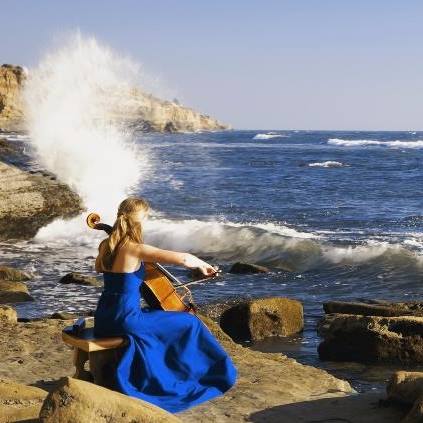
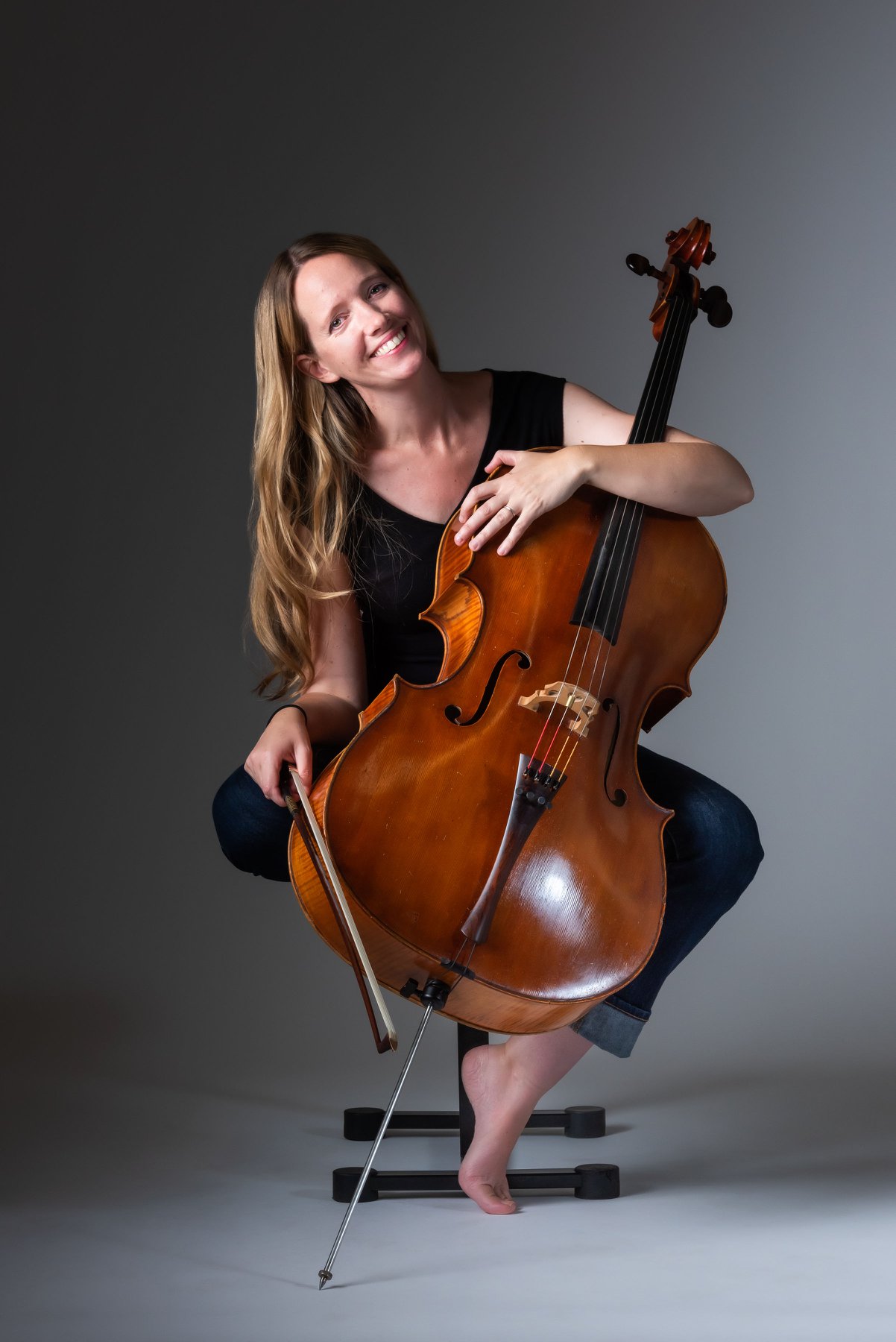
My life as a cellist in San Diego began ten years ago, almost by happy accident. My husband and I got married in 2015, the same year his work brought us out from Chicago, and the move turned out to be one of the most musically generative things that’s ever happened to me. After years of juggling teaching with squeezing practicing and concerts in around a packed schedule, San Diego suddenly gave me space to breathe — and to make records.
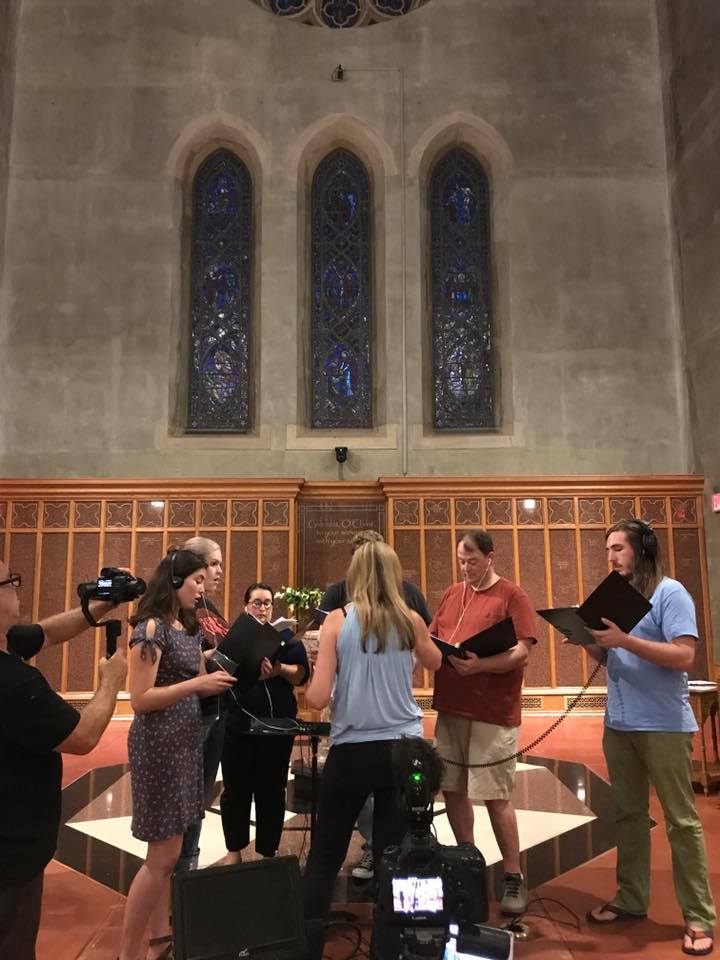
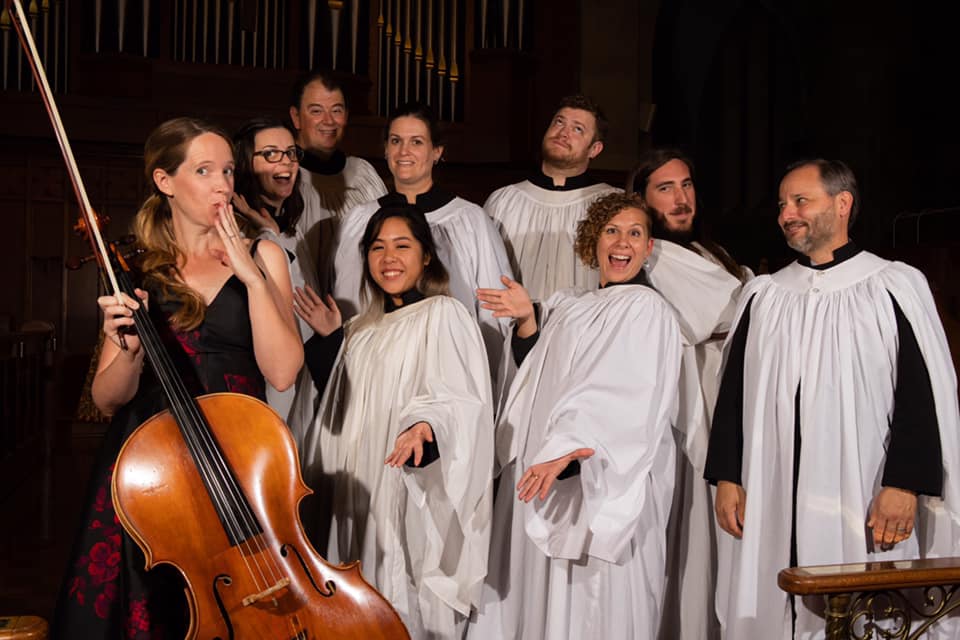
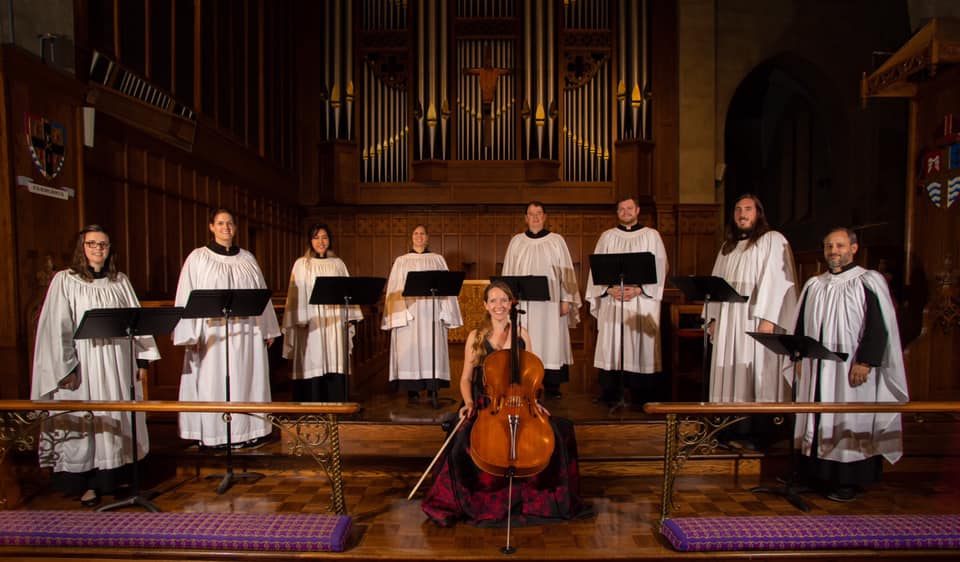
One of the first people I met here was Martin Green, the organist and choirmaster at St. Paul’s Episcopal Cathedral downtown — Martin has just moved to New York after many wonderful years at St. Paul’s, but I’m hoping we’ll find ways to keep collaborating. St. Paul’s is a beautiful space, both spiritually and acoustically, and Martin and Penny Bridges (Dean of St. Paul’s) generously allowed me to record my first album, Escape, there. My second album, b2c, also had its performance debut with members of the Cathedral Choir. My most recent record, Roots — a project of Romantic transcriptions — was recorded with the wonderful pianist Ines Irawati and culminated in a series of performances in California, Portland, and Chicago.
Closer to home, I’ve put down deep roots in San Diego’s live music community. I’ve appeared as soloist with the New City Sinfonia Orchestra (in works including Bruch’s Kol Nidrei and my own arrangement of Paganini’s Theme and Variations on One String for solo cello and orchestra) and with the Tifereth Israel Community Orchestra in the Saint-Saëns Concerto. I’ve given solo and chamber recitals at the La Jolla Athenaeum’s Concerts at Noon, the library concert series in Rancho Bernardo, Encinitas, and Coronado, Temecula’s “Classics at the Merc,” and other warm rooms around the county; and I’ve played for worship services at several San Diego churches — including a deeply memorable piece for solo cello and women’s chorus at the First Unitarian Universalist Church.
There are still venues I’d love to play one day — Conrad Prebys Hall at UCSD, St. Francis Chapel in Balboa Park, the Rady Shell — and I’m always open to collaborating with local ensembles and presenters. For anyone who’d like to hear me play next, my upcoming solo cello concert is on October 10 at the Sanctuary Studio in Santa Ana — a gorgeous, intimate, beautifully curated series. Spots are limited. Come say hello.
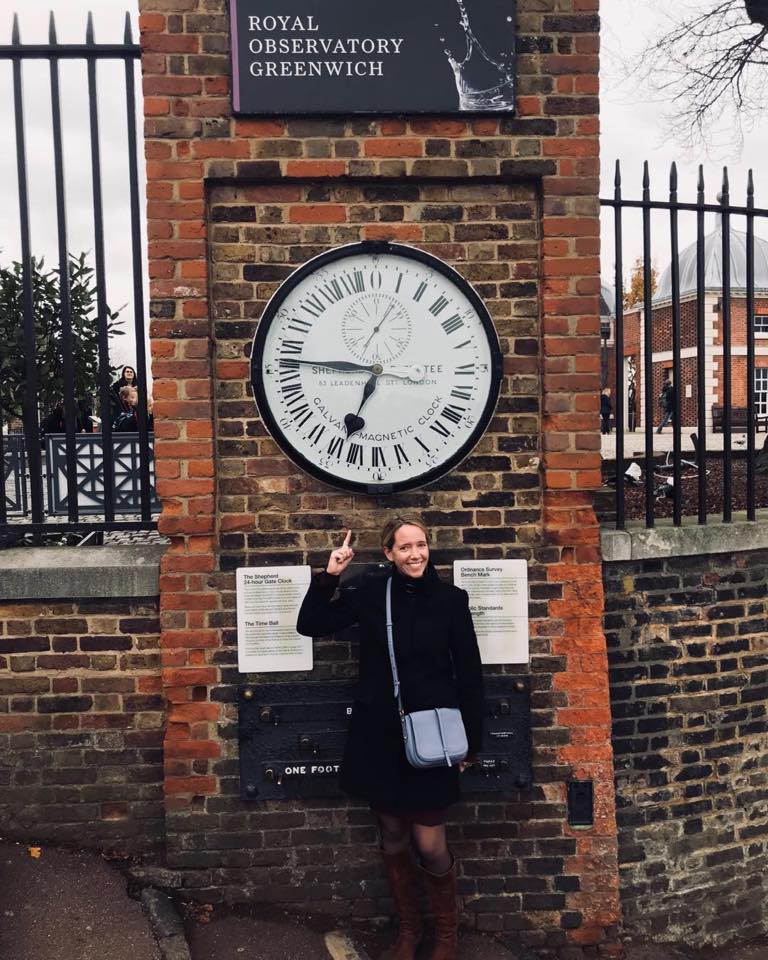
Before all of this: I’m originally from London, where I trained at Trinity College of Music with Richard Markson before coming to the US for my doctorate at Indiana University with János Starker, Tsuyoshi Tsutsumi, and Helga Winold. From there I made my way to Chicago, where I taught at the Music Institute of Chicago and Lake Forest College, met my husband, and founded a small non-profit called Fused Muse Ensemble — a chamber music project with a mission to amplify voices too often left unheard, which I hope to return to more meaningfully in the coming years.
These days I teach in-person lessons from my home studio in Point Loma and run my online cello conservatory, Dr Sophie Cello Lab, from the same room. My husband and I have two children — a six-year-old daughter and a three-year-old son. Our daughter has just started piano lessons, which means I’m getting to see, for the first time, what it’s like to be the parent in the room. Humbling, in the best way.
We all face challenges, but looking back would you describe it as a relatively smooth road?
Not always — but the bumps have made the work feel more earned. I sometimes think of arriving in Chicago straight out of Indiana, having driven everything I owned across the country in a U-Haul to a basement flat. I had my cello, a laptop, an interview lined up at the Music Institute of Chicago, and enough money for a few months’ rent. That was the inventory. I was highly qualified but starting from scratch — and it felt simultaneously daunting, exciting, and a little crazy. What carried me was the unwavering support of my family back in England, even from across the Atlantic, and the small daily ritual of walking to my local coffee shop to do creative work and tackle admin. (That’s where my lifelong love affair with the daily latte began.) Looking back, the absence of a safety net is exactly what taught me to build one for myself.
The other ongoing challenge — one I think every parent in any career knows — is balancing family with work I love. With young children, it never feels like you’re giving enough to anyone. I’m constantly reevaluating, recalibrating, asking whether my choices are landing where I want them to. But the children give back in spades, and I’ve found that motherhood has actually made me a more attentive and patient teacher. They’ve also reminded me that no one becomes a serious cellist by rushing — and the same is true of raising a person.
Can you tell our readers more about what you do and what you think sets you apart from others?
My musical life moves between three centers of gravity: performing, teaching one-on-one, and running Dr Sophie Cello Lab — the online cello conservatory I’ve built over the last few years.
Cello Lab is the project I’ve poured the most thought into recently. It’s a group learning experience built around three-month sessions, each focused on a specific topic and one or two anchor pieces. The current spring Lab (April through June) is focused on breaking down technical challenges — how to practice scales and arpeggios with real musical intent — alongside the Prelude of Bach’s Suite No. 3 in C Major. Our late-summer Lab (July through September) will focus on what I’m calling “The Quiet Art of a Beautiful Sound” (essentially an in depth exploration of tone production), exploring Tchaikovsky’s Chanson Triste and Fauré’s Élégie. Sessions are open to all ages and levels, and one of the things I love most about teaching this way is how much we all learn from each other — every player, regardless of experience, brings a unique perspective.
Each Lab also includes a monthly digital companion: concepts broken down, play-along exercise videos, reflection prompts, and listening recommendations, so the learning continues between classes. What I’ve found is that most participants are already taking in-person lessons elsewhere; what they want from me is ongoing, thoughtful guidance that deepens their immersion in the music and understanding of the technique. Many also choose to add one or two private online lessons each month, at a rate discounted for Lab participants.
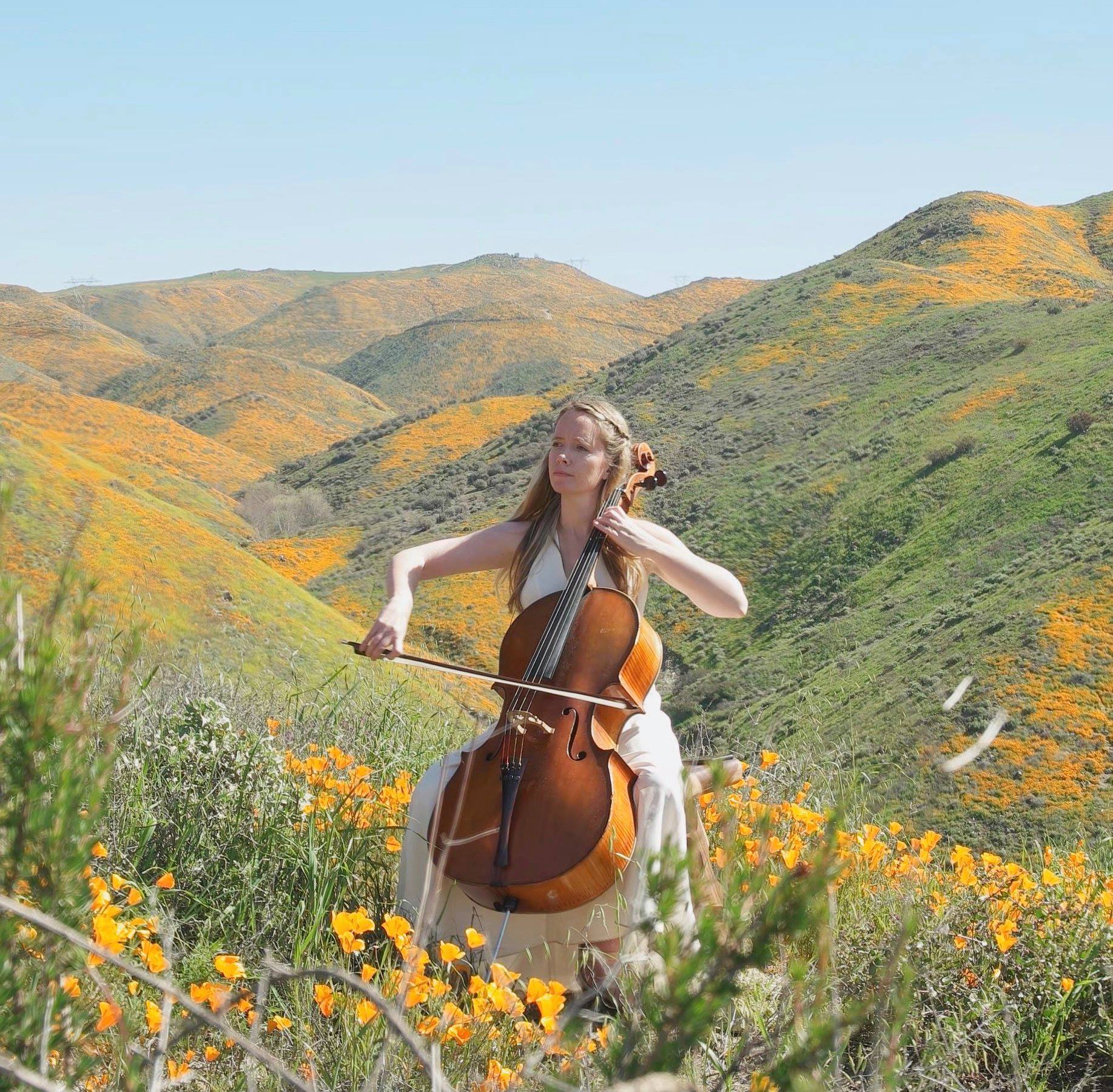
Alongside Cello Lab, I teach in-person lessons from my Point Loma home studio, perform around the area, and continue to record. As an artist, I’ve been most drawn lately to projects that explore where the cello isn’t expected to go — Romantic transcriptions, lesser-known repertoire from the earliest cello voices, contemporary music that asks the instrument (and sometimes instrumentalist!) to sing differently than it does in the standard catalog.
What I’m most proud of is harder to pin down. The albums, certainly — they’ve been generously received in Gramophone, Interlude, and other classical press, with recordings airing on BBC Radio 3, KUSC, and WFMT Chicago.
But the achievements I treasure most aren’t mine — they’re my students’. Over the years, students of mine have served as section and principal cellists with the Chicago Youth Symphony Orchestras and the San Diego Youth Symphony, and have won or placed in a number of regional and national competitions — including the State Youth Concerto Competitions, the Society of American Musicians Competition, the MidWest Young Artists Discover National Chamber Music Competition, the Confucius Chinese Fine Arts Society Competition, and the Walgreen National Concerto Competition. Several have gone on to study cello performance at some of the nation’s top music schools. Watching a student grow into themselves as a musician is the deepest pride a teacher knows.
Beyond that, there’s the slow building of a community of cellists — students of all ages and backgrounds, who share a serious love of the instrument. There’s something especially meaningful about watching someone discover a piece they thought was beyond them and realizing they’ve been doing the work all along.
What sets me apart, if anything, is probably my belief that great cello playing is built on the body — on ergonomics, breath, freedom — as much as on technique. That came directly from my teacher Helga Winold at Indiana, and it shapes everything I teach. Just as important to me is the storytelling side of music-making: I have a deep love of music theory and historical context, and I work with my students to understand who the composer was, what shaped the piece, and how its compositional architecture is asking to be played. The interpretive choices we make as performers are far more grounded, and far more interesting, when we know the structure under our hands. The third thread is the design of Cello Lab itself: it integrates one-on-one private work, group cohorts, and digital companion materials in a way I haven’t quite found elsewhere. Most cello education sits in just one of those lanes; my conviction is that the magic happens when private, group, and today’s access to digital learning are working together.
Is there something surprising that you feel even people who know you might not know about?
This will sound delightfully out of character: I’m obsessed with Fimo. Polymer clay. I’ve been drawn to tiny things since I was small — as a kid, my favorite activity was cutting and gluing minuscule scraps of paper into impossibly small creations. These days, my husband (who loves the arts too, drawing especially) and our two children share the obsession, and we have weekly Fimo Sessions at the kitchen table, where we make miniature animals, houses, and dolls’ house accessories out of colorful blocks of clay. It’s the most peaceful, focused, joy-filled hour of the week. And it turns out the same things I value at the cello — patience, attention, small choices that build into something larger — apply to a thumbnail-sized clay teapot too.
Pricing:
- Dr Sophie Cello Lab — three-month group course: $499 (early-bird bonus available)
- Private online lessons: $125/hour for Cello Lab participants
- $140/hour standard rate online or in-person (Point Loma hom studio) lessons
Contact Info:
- Website: https://www.sophiewebber.com
- Instagram: https://www.instagram.com/sophiewebber.cellist
- Facebook: https://www.facebook.com/cellistsophiewebber
- Youtube: https://www.youtube.com/@sophiewebber9115
- Other: Cello Lab – www.sophiewebber.com/cello-lab-course