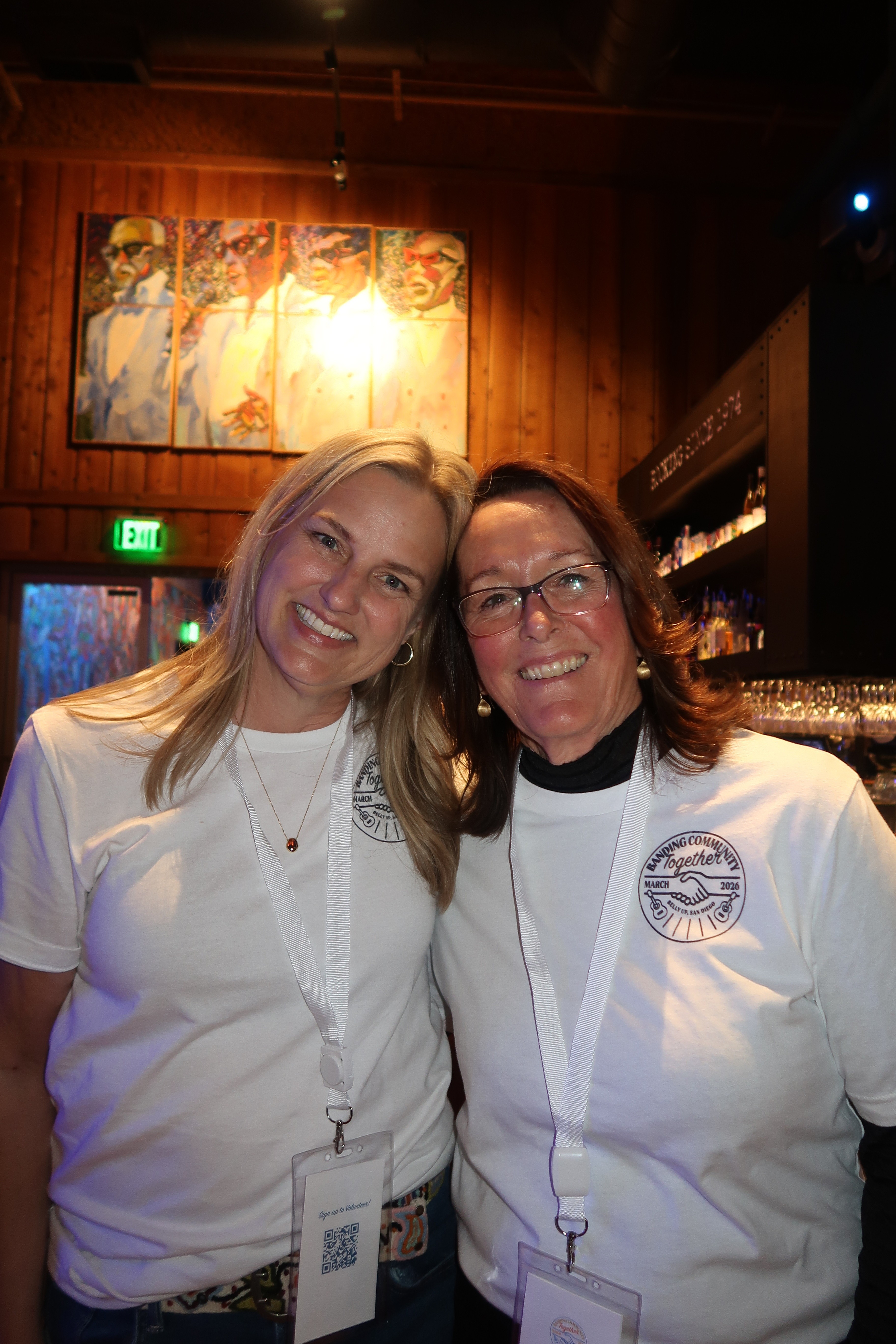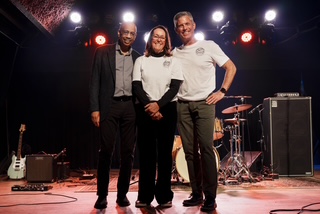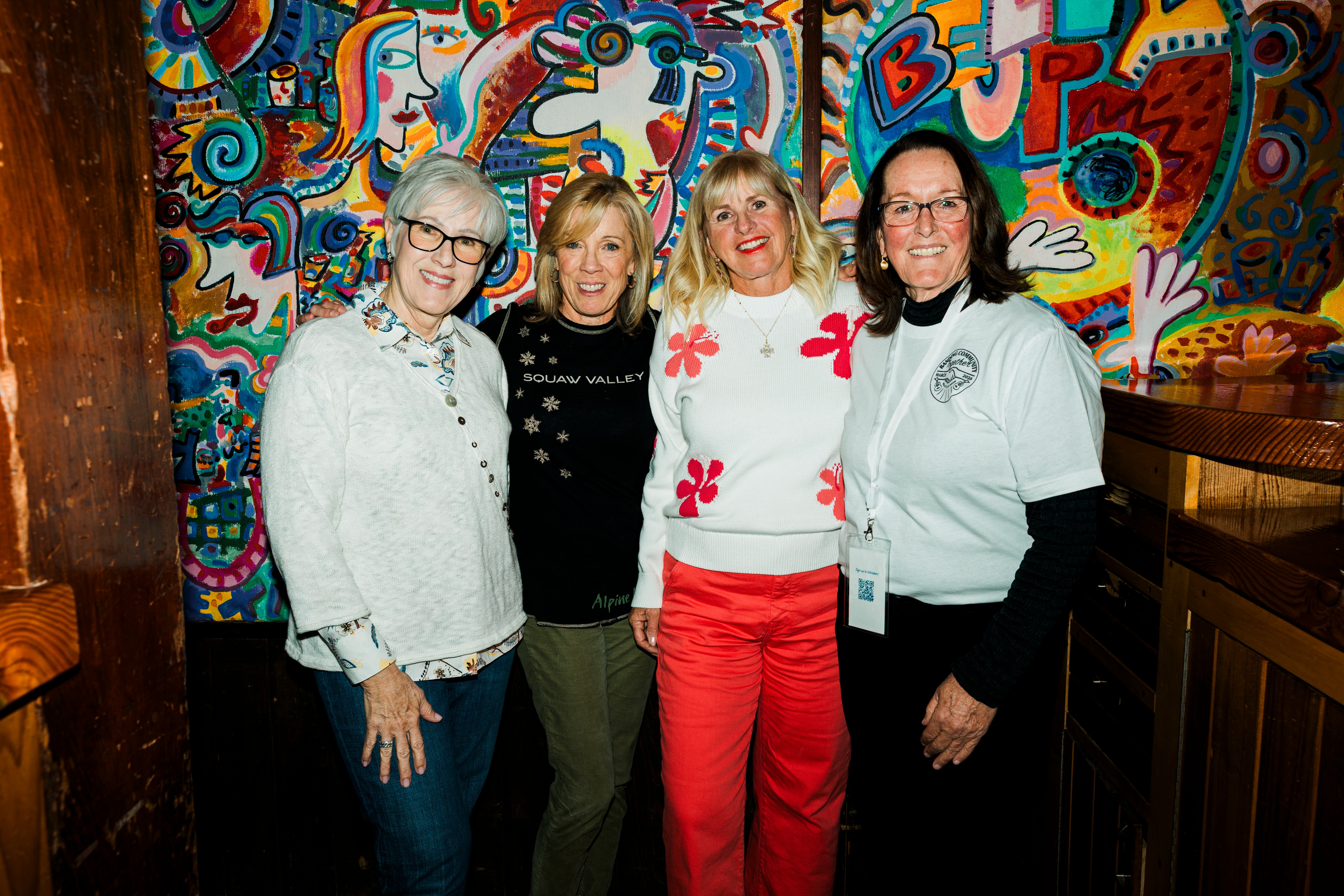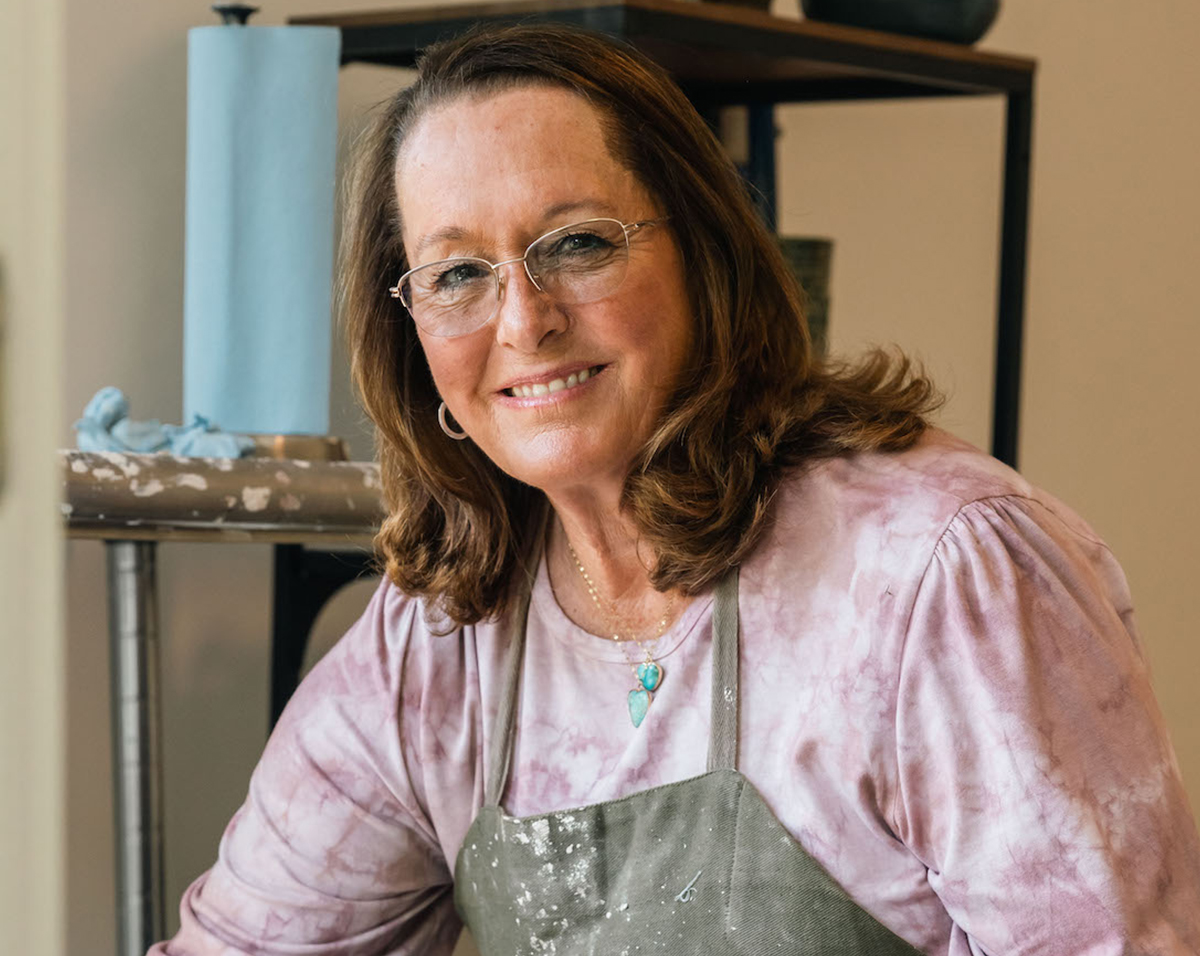
Today we’d like to introduce you to Marcia Johnson.
Hi Marcia, we’re thrilled to have a chance to learn your story today. So, before we get into specifics, maybe you can briefly walk us through how you got to where you are today?
As a ceramic artist for over 50 years, I’ve experienced firsthand how creating can carry you through life’s hardest moments. Art gave me a way to process, to steady myself, and to keep moving forward.
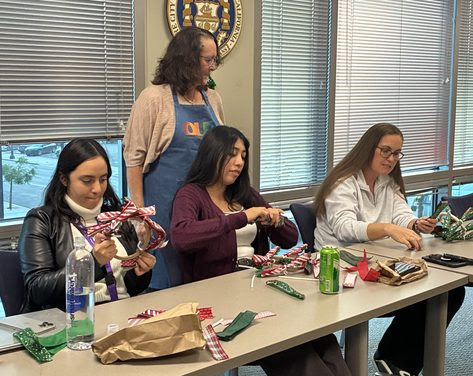
That’s what led me to start OUR Arts Foundation in 2019. I wanted to offer that same sense of healing and connection to people who have experienced trauma—creating a space where words aren’t required, but expression and dignity are.
In the beginning, I was the primary artist leading the workshops. Today, that vision has grown into a community of over 70 volunteers, serving nine locations across San Diego County.
Last year alone, we reached 874 participants. But the numbers only tell part of the story. What matters most is what happens in the room—when someone who has been carrying so much finally finds a moment of peace, or begins to reconnect with themselves.
One survivor told us that creating art with OUR Arts Foundation was the turning point in her recovery. That’s why we do this work.
In addition to founding OUR Arts Foundation, I’ve spent the past decade on the board of Both Ends Believing Global, working in 15 countries to help children move from orphanages into families—because whether through art or advocacy, my work has always centered on connection, healing, and belonging.
Can you talk to us a bit about the challenges and lessons you’ve learned along the way. Looking back would you say it’s been easy or smooth in retrospect?
In the early days of OUR Arts Foundation, one of the biggest obstacles was perception. Many organizations initially saw our workshops as simply an activity—something to entertain their clients. What they didn’t yet see was the depth of what creative expression can unlock.
We addressed that by inviting staff to step into the workshops themselves. Once they experienced it firsthand, the shift was undeniable. They saw participants begin to feel safe, their minds quiet, and something deeper emerge—honesty, vulnerability, and connection. Time and again, staff are surprised by how much participants open up and how meaningful relationships form through the creative process. That shift in understanding has been critical to building strong, lasting partnerships.
At Both Ends Believing Global, the obstacle was even more fundamental. When we began, many in the global child welfare space believed what we were proposing—systematically identifying and reconnecting children with families—was simply not possible.
But that resistance became the work. Today, through tools like Children First Software, children who were once invisible are now known. They can be connected to biological families or placed into new ones. What was once considered impossible is now becoming a model for how systems can change—and how children can move from institutions into belonging.
Appreciate you sharing that. What else should we know about what you do?
What makes me unique is that my work has never been separate from my life—it’s been lived, modeled, and passed on.
For over 35 years, through the Gesner-Johnson Foundation, I’ve had the privilege of walking alongside organizations serving the underserved. I’ve listened to stories across every walk of life and witnessed both deep need and extraordinary generosity. That perspective shaped how I see the world: real change happens when people feel seen, valued, and connected.
But I didn’t want to only fund the work—I wanted to be inside it. While raising my children in Phoenix, I co-founded Bridge Builders, where we mentored women and children transitioning out of homelessness. We worked side by side in the most practical ways—learning how to shop, cook, find jobs, and rebuild stability. It wasn’t just service; it was relationship.
What makes this personal is that my children were part of that journey. They grew up not just hearing about compassion, but practicing it. Today, each of them carries that forward in their own lives. That generational impact is something I value deeply.
This mindset was instilled in all of us by my mother, Rosie Johnson. She taught us that wherever we go—even on family vacations—we look outward and ask how we can make a difference. That has shaped how I lead, how I serve, and how I live.
I’ve been especially drawn to working with women recovering from intimate partner violence and human trafficking. Their resilience is extraordinary. While they may come from places of deep brokenness, they rise with a strength and courage that is truly inspiring. Being invited into their healing journey has not only shaped my work—it has changed me.
At the core, what makes me unique is this: I don’t see impact as a program or a role. I see it as a way of life—one that creates connection, restores dignity, and extends far beyond a single generation.
Are there any important lessons you’ve learned that you can share with us?
The most important lesson I’ve learned in life is simple: everyone matters—and people feel the difference when you truly believe that.
I remember walking into a meeting with young adults who had aged out of foster care. One of them asked me, “What is your mission statement?” Without thinking, I said, “To encourage others.”
There was silence. They were waiting for something more—but I wasn’t. Because I’ve come to believe that encouragement is not small. It’s how people begin to feel seen, valued, and worthy of connection.
That moment stayed with me. It reminded me that what may seem simple can be deeply needed.
Now, wherever I go, I look for that person who might otherwise be overlooked. Sometimes it’s in a conversation. Sometimes it’s as small as a smile passing someone in a public place. At first, people are often surprised—unsure how to receive it—but then something shifts. They smile back. You can see it land.
We underestimate how much people long to be seen.
Whether through my work with OUR Arts Foundation, or in everyday moments, I’ve learned that real impact doesn’t always start with something big. It starts with recognizing the person in front of you and choosing to let them know they matter.
Because when someone feels seen, something in them begins to change—and that’s where everything else begins.
Contact Info:
- Website: https://OURArtsFoundation.org
- Instagram: https://www.instagram.com/ourartsfoundation/
- Facebook: https://www.facebook.com/OURARTSFOUNDATION
- LinkedIn: https://www.linkedin.com/feed/
- Youtube: https://www.youtube.com/@ourartsfoundation
- Other: https://BEBGlobal.org