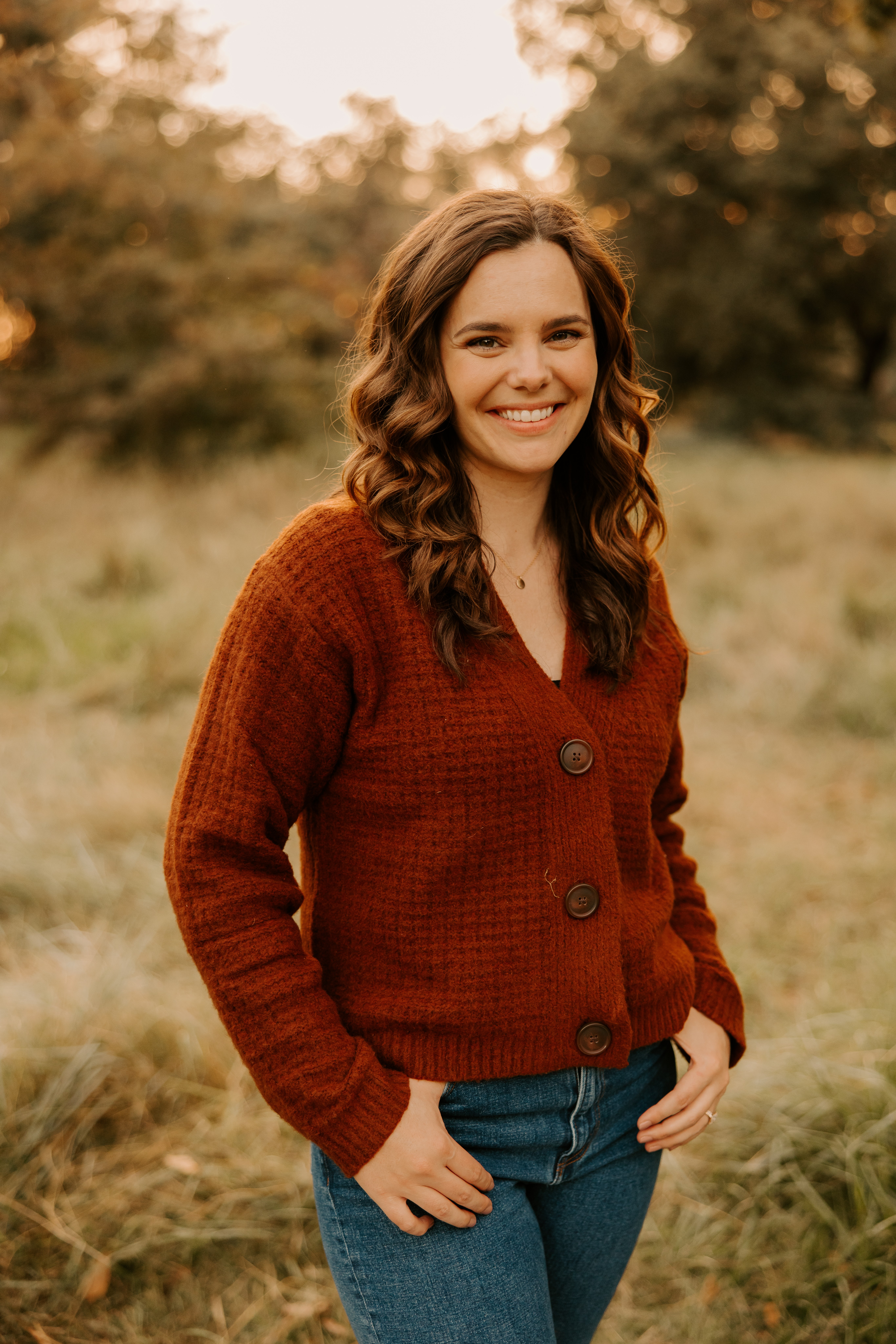
Today we’d like to introduce you to Erin Engstrom.
Hi Erin, so excited to have you on the platform. So before we get into questions about your work-life, maybe you can bring our readers up to speed on your story and how you got to where you are today?
I grew up in a small agricultural town outside of Sacramento, raised by a public school teacher who gave me early exposure to neurodivergent students navigating systems that often lacked adequate support. That environment shaped how I understood both education and access from a young age. I also received speech therapy in school for my own articulation challenges, and I became fascinated by the process and how targeted support could meaningfully improve communication and confidence. That experience sparked my interest in mentorship and in supporting other students who needed additional resources in high school.
I went on to pursue my undergraduate degree at the University of California, Santa Barbara, where I majored in Psychology and minored in Applied Psychology and Speech and Hearing Sciences. During that time, I joined the UCSB Koegel Autism Center as a research assistant and worked as a peer mentor for autistic college students. That role was formative for me and my future career. I built close relationships with students and their families and saw firsthand the gap between academic accommodations and meaningful community participation, inclusion, and overall quality of life.
I stayed at UCSB to complete my PhD in Counseling, Clinical, and School Psychology in 2019. My graduate training focused on developing individualized, neuroaffirming supports for autistic students, including peer mentorship programs and transition-to-employment services. I then completed my internship and postdoctoral fellowship at University of Colorado Anschutz Medical Campus/JFK Partners and Children’s Hospital Colorado, where I expanded my clinical work across the lifespan and received specialized training in anxiety and OCD interventions for neurodivergent children, adolescents, and young adults.
In 2020, I joined the UC Davis MIND Institute, where I was able to continue this work in both clinical and research capacities. In 2025, I transitioned into private practice and joined the Child Psychology Center, helping expand services from San Diego into Northern California. While my roles have evolved, my focus has remained consistent: providing neuroaffirming, evidence-based care for neurodivergent children, teens, young adults, and their families, with an emphasis on building meaningful, sustainable quality of life.
I’m sure it wasn’t obstacle-free, but would you say the journey has been fairly smooth so far?
It definitely hasn’t been a smooth road. I completed my postdoctoral fellowship and entered the job market right at the start of the COVID-19 pandemic, an already uncertain and isolating time that was compounded by stepping into a profession that was rapidly evolving in real time. The usual challenges of early career transition were intensified by constant shifts in how care was delivered, what clients needed, and how we as psychologists showed up for our communities.
What grounded me during that time was leaning into connection by seeking consultation, building relationships with colleagues, and allowing myself to be supported. I’ve become much more intentional about honoring my own limits, advocating for what I need professionally, and recognizing that providing quality care is deeply tied to how well I care for myself.
In many ways, those challenges helped clarify the kind of psychologist I want to be: adaptable, collaborative, and committed not just to client care, but to longevity and integrity in the work.
Can you tell our readers more about what you do and what you think sets you apart from others?
My work centers on providing neuroaffirming, evidence-based care for neurodivergent children, teens, and young adults, with a particular focus on treatment for anxiety and OCD. I specialize in adapting gold-standard interventions so they are both effective and respectful of neurodivergent ways of thinking, processing, and engaging with the world. Much of my work involves helping individuals and families better understand how anxiety or OCD may present differently in the context of autism or other neurodevelopmental profiles, and building treatment plans that are individualized, practical, and sustainable.
I also have a strong focus on differential diagnosis, particularly when it comes to teasing apart overlapping features of anxiety, OCD, and neurodevelopmental conditions. Many of the individuals I work with have been previously misunderstood or misdiagnosed, so part of my role is helping bring clarity and a more accurate conceptualization that can guide more effective support.
What I’m most proud of is helping shift the lens from “fixing” behaviors to understanding the underlying needs and building skills in a way that supports long-term quality of life. I’m also proud of the relationships I build with clients and families by creating a space where people feel understood, respected, and actively involved in their care.
What makes you happy?
What makes me happiest is seeing people feel understood in a way they may not have experienced before. In my work, that often looks like a child, teen, or young adult realizing that their experiences make sense. They’re not “doing it wrong,” but rather navigating a world that hasn’t always been designed for them. Those moments of clarity and self-compassion can be incredibly powerful. I also find a lot of fulfillment in helping families shift their perspective from frustration or confusion to a place of understanding and connection. When that happens, it often opens the door for meaningful, lasting change.
Outside of work, I’m happiest in slower, more intentional moments like spending time with people I care about and having space to recharge. That balance is important to me, and it ultimately allows me to show up more fully, both personally and professionally.
Contact Info:
- Website: https://www.childpsychcenter.com/
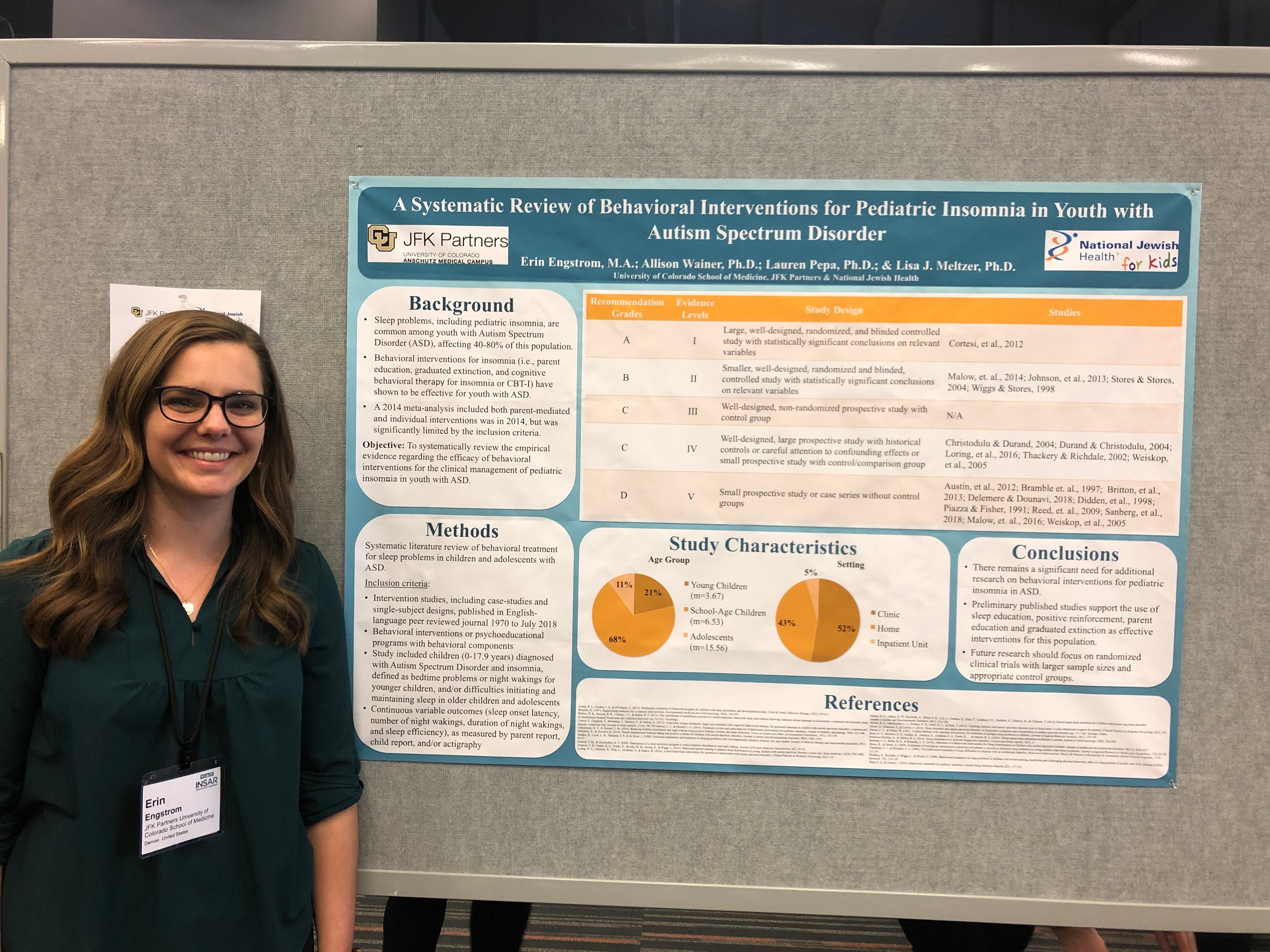
Image Credits
Lela Spiva Photography